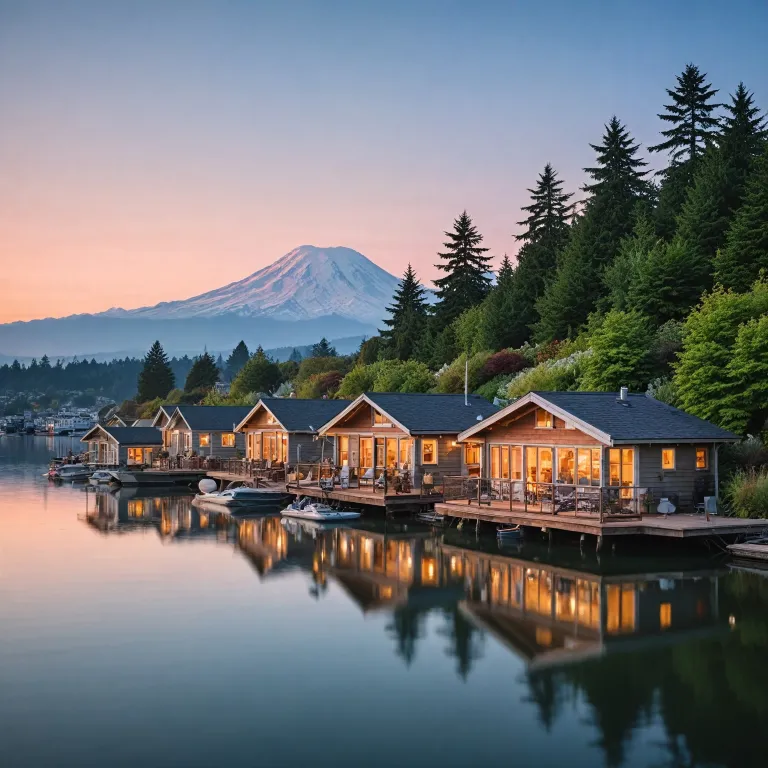
Floating homes in Seattle, Washington as a refined alternative to hotels
For travelers who usually book upscale hotels, floating homes in Seattle, Washington offer a different kind of luxury. Instead of a high rise lobby, you arrive at a quiet dock on Lake Union or Portage Bay, where every floating houseboat and every unit sits directly on the water. This intimate scale appeals to guests who value privacy, real character, and a strong sense of place.
In this city Seattle setting, floating homes and houseboats provide a rare chance to stay within an historic community that numbers only about 500 homes. The Seattle Floating Homes Association notes that “Seattle's floating homes are unique residences built on floats, moored to docks, and connected to public utilities, offering a distinctive waterfront living experience.” For travelers comparing a hotel bed bath layout with a floating home, the key difference lies in how the beds and baths frame uninterrupted lake views.
On a premium booking website dedicated to houseboats and waterfront homes, you can filter by beds, baths, and overall unit size just as you would in traditional real estate search tools. Yet the same filters gain new meaning when the property is literally afloat, because the number of beds baths often determines how comfortably a group can share decks, moorage space, and indoor lounges. Guests who usually focus on city Seattle neighborhoods like downtown or South Lake Union quickly realize that a seattle floating stay places them in quieter enclaves such as Eastlake, Westlake Ave docks, or Portage Bay marinas.
For luxury travelers, the main challenge is availability rather than amenity, since the market is tightly regulated and new floating homes are rarely added. This scarcity shapes both the nightly price and the overall sale value, making each listing feel more like a limited edition than a standard room category. A specialized platform must therefore present each houseboat and each of the homes houseboats with the depth and clarity usually reserved for high end real estate portfolios.
Understanding the difference between floating homes and houseboats
Before booking, it is essential to understand how floating homes differ from houseboats in Seattle, Washington. According to local guidance, “A floating home is a stationary residence built on a float and connected to public utilities, while a houseboat is a vessel capable of navigation.” For travelers, this means that a floating home offers the stability of real estate, while a houseboat may provide a more mobile, maritime style experience on the lake.
On a luxury booking website, this distinction should appear clearly in every listing, alongside details such as beds, baths, and total unit size. Guests comparing floating homes to seattle houseboats need to know whether they are booking a permanent residence on Lake Union or a navigable vessel that can move within Portage Bay or other parts of city Seattle waters. The best platforms present both the singular houseboat and the plural houseboats with transparent descriptions, so expectations match reality.
Because floating homes are treated more like real estate than like traditional boats, their market dynamics resemble those of waterfront homes on shore. The median sale price for these homes has risen sharply, and each listing often references data from the MLS and NWMLS systems used by brokers such as Windermere Real and Estate Midtown offices. Even if a traveler is not planning a purchase, this real estate context helps explain why nightly price levels on a seattle afloat stay can exceed those of many central hotels.
Houseboats, by contrast, may be registered more like vessels, and some are managed by specialized companies such as Afloat LLC or other local LLC operators. A premium booking website must therefore verify ownership structures, moorage rights, and safety standards for each unit, whether it is a single houseboat or part of a cluster of homes houseboats. This due diligence builds trust for guests who are new to the seattle floating lifestyle yet expect the same reliability they receive from established hotel brands.
How luxury booking platforms should present Seattle’s floating inventory
For travelers accustomed to refined hotel search tools, the way a platform presents floating homes in Seattle, Washington is crucial. A well designed interface should allow guests to search by beds, baths, neighborhood, and lake frontage, while also highlighting whether a unit is a floating home or a houseboat. Integrating real estate style data, such as MLS or NWMLS references, can reassure guests that each listing reflects verifiable information rather than casual advertising.
Because the market is small, every listing must work harder, combining the clarity of real estate documentation with the storytelling of hospitality. Detailed floor plans showing beds baths configurations, deck space, and water access help guests understand how the unit will function for couples, families, or small groups. High resolution photography should capture both interiors and the surrounding lake environment, including views toward Lake Union, Portage Bay, or the broader city Seattle skyline.
Luxury travelers often compare multiple homes sale options before committing, even when they are only booking short stays. A premium platform can support this behavior by allowing side by side comparison of price, beds, baths, and unique amenities such as rooftop decks, hot tubs, or private moorage for kayaks. Including references to nearby streets like Westlake Ave or Ave Seattle addresses also helps guests orient themselves within seattle washington districts.
Because many floating homes are owned through complex structures, including dock cooperatives and LLC entities, transparency about Afloat LLC or other LLC ownership is essential. Clear policies on cancellations, damage deposits, and water safety should be as visible as the nightly price, especially for first time seattle floating guests. When a platform treats each floating home and each houseboat with the rigor of real estate and the warmth of hospitality, it builds long term trust in this niche waterfront homes segment.
Pricing, availability, and the realities of a limited floating market
The floating homes market in Seattle, Washington is defined by scarcity, which directly affects both sale values and nightly rates. With the number of floating homes capped and new construction tightly restricted, each listing represents a small share of the total homes houseboats inventory. This limited supply, combined with strong demand from both residents and visitors, pushes the median sale price well above many traditional city Seattle properties.
For travelers, this means that a seattle afloat stay often commands a premium compared with nearby hotels, especially during peak lake season. A sophisticated booking website should therefore explain how real estate dynamics influence nightly price, referencing trends from MLS and NWMLS data where appropriate. When guests see that waterfront homes on Lake Union or Portage Bay regularly trade at high values, they better understand why a two bed bath floating home may cost more per night than a central suite.
Availability is another challenge, because many floating homes are primary residences rather than full time rentals. Some owners list their homes for short periods, creating a patchwork calendar that a platform must manage carefully to avoid double bookings. Smart search tools can help guests filter by specific dates, beds baths needs, and preferred areas such as Westlake Ave docks, Portage Bay marinas, or quieter corners of Lake Union.
To maintain trust, a luxury platform should avoid over promising inventory and instead highlight the uniqueness of each unit. When a particular houseboat or floating home is not available, the system can suggest comparable homes sale options or alternative waterfront homes along nearby shores. By presenting real constraints honestly, and by grounding every listing in verifiable real estate information, the platform reinforces its role as a reliable gateway to seattle floating experiences.
Design, comfort, and service standards on Seattle’s floating homes
Guests who usually stay in high end hotels expect a certain standard of design, comfort, and service, even when they choose floating homes in Seattle, Washington. The best hosts and property managers treat each unit as a curated retreat, with high quality beds, generous baths, and thoughtful layouts that maximize both privacy and lake views. In this context, the number of beds baths is not just a statistic but a key indicator of how comfortably the space will function for different group sizes.
On Lake Union and Portage Bay, many floating homes and houseboats blend contemporary interiors with nautical details, creating a refined yet relaxed atmosphere. Large windows frame the water, while decks extend living areas outdoors, turning the lake itself into an extension of the unit. For travelers comparing seattle beds in hotels with seattle beds on the water, the gentle motion and quiet surroundings can feel like a significant upgrade in restfulness.
Service standards vary, but luxury focused platforms increasingly partner with professional managers, sometimes organized as LLC structures such as Afloat LLC or similar entities. These operators coordinate housekeeping, maintenance, and guest services, ensuring that each listing meets consistent expectations across the homes houseboats portfolio. Some even collaborate with established brokerages like Windermere Real or Estate Midtown teams, who understand both hospitality and real estate regulations in seattle washington.
To compete with upscale hotels, floating home hosts often provide premium linens, high end bath amenities, and well equipped kitchens. Clear information about safety features, including life jackets, secure railings, and emergency contacts from the City of Seattle, further reassures guests who are new to seattle floating stays. When design, comfort, and service align, a floating home or houseboat becomes not just an alternative to a hotel but a compelling new standard for waterfront homes hospitality.
Planning your stay and engaging with Seattle’s floating community
Planning a stay in floating homes in Seattle, Washington requires a slightly different mindset than booking a traditional hotel. Because each unit is part of a long standing community, guests are encouraged to respect local norms, from quiet hours on the docks to careful use of shared pathways. Many hosts provide guidance from the Seattle Floating Homes Association and the City of Seattle, helping visitors understand how to enjoy the lake while preserving the character of these homes.
When searching for the right property, start by defining your ideal beds baths configuration, preferred neighborhood, and budget range. Use platform filters to narrow options by Lake Union, Portage Bay, or other waterfront homes areas, and pay attention to address cues such as Westlake Ave or Ave Seattle references. Reading each listing carefully, including any MLS or NWMLS style details, will help you distinguish between a stationary floating home and a more mobile houseboat.
Travelers interested in the real estate side of seattle houseboats can schedule viewings with local agents during their stay. Firms such as Windermere Real and Estate Midtown often handle both homes sale transactions and short term rentals, giving guests insight into long term ownership possibilities. Even if you are not ready to enter the market, understanding sale trends and price levels adds depth to your appreciation of the seattle floating lifestyle.
Finally, consider timing your visit to coincide with community events that open some homes to the public, while always respecting private property. Walking the docks, chatting with residents, and observing daily life on the water will enrich your stay far beyond the comforts of your chosen unit. By engaging thoughtfully with both hosts and neighbors, you contribute to the ongoing preservation of these rare homes houseboats and help ensure that future travelers can enjoy the same serene, lake centered experience.
Key figures about Seattle’s floating homes and houseboats
- Number of floating homes in Seattle : 500 homes, concentrated mainly around Lake Union and Portage Bay.
- Median sales price of floating homes : 1 195 000 USD, reflecting strong demand for limited waterfront homes inventory.
- Increase in median sales price : 60,94 % growth in a single year, underlining the competitive nature of the floating homes market.
Questions travelers often ask about floating homes in Seattle
What is the difference between a floating home and a houseboat?
A floating home is a stationary residence built on a float and connected to public utilities, while a houseboat is a vessel capable of navigation. In practical terms, a floating home feels more like traditional real estate, whereas a houseboat behaves more like a boat that can move on the lake. Travelers should check each listing carefully to see whether they are booking a permanent floating home or a navigable houseboat.
Are new floating homes being built in Seattle?
New floating homes are highly restricted by city regulations, which aim to preserve the existing community and protect the aquatic environment. As a result, the total number of floating homes remains close to 500, with very few additional units entering the market. This regulatory framework contributes to both the exclusivity and the higher price levels seen in current listings.
How can one purchase a floating home in Seattle?
Anyone interested in purchasing a floating home should work with local real estate agents who specialize in this niche segment. These professionals understand MLS and NWMLS procedures, moorage rights, and the specific regulations enforced by the City of Seattle. Buyers should be prepared for a competitive market, where desirable homes may receive multiple offers and sell quickly.
Trustful expert sources : Seattle Floating Homes Association ; City of Seattle ; local real estate brokerages such as Windermere Real.
