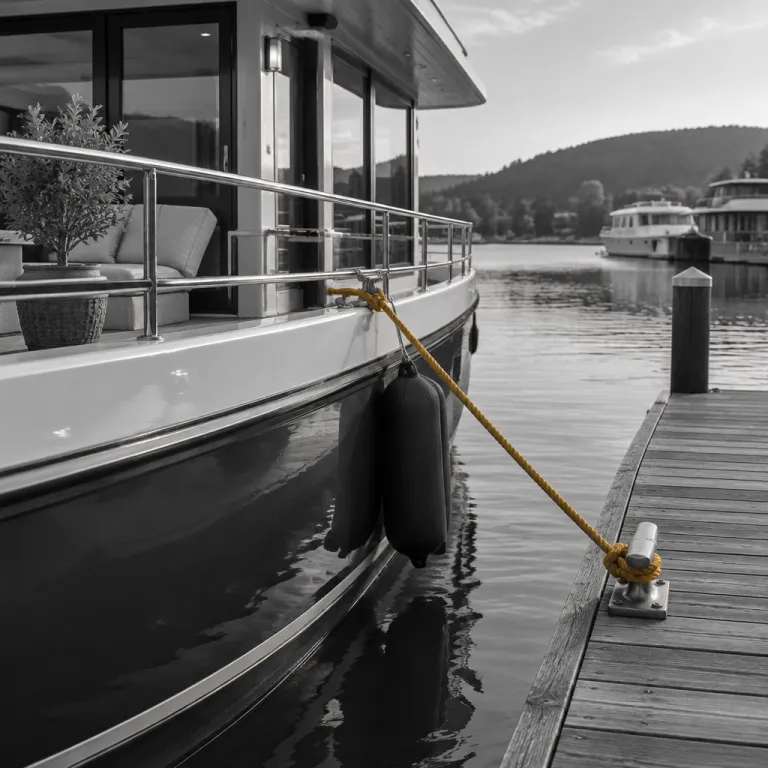
Designing luxury houseboat itineraries around graceful boat docking
Choosing a premium houseboat itinerary means thinking beyond the cabin and the view. The most refined journeys consider how each boat docking moment shapes your arrival in a marina, your first step onto the dock, and the way the crew manages every docking situation with quiet confidence. When a docking boat glides in with the bow and stern held steady by expert hands, you immediately feel that your stay will be calm and beautifully orchestrated.
On a luxury booking website for houseboats, look for itineraries that describe the docking techniques used in each cruising area. A well curated route explains how the skipper handles the throttle when approaching dock spaces in narrow canals, how the crew sets fenders along the hull, and how they manage the wind current in exposed harbors. This level of detail shows that the operator understands that a boat dock is not just infrastructure, but the elegant threshold to your floating suite.
High end itineraries also specify whether a professional skipper or captain will always operate the boat. When a trained operator manages the bow stern control, the forward spring line, and the stern dock maneuver, guests can relax on deck instead of worrying about lines dock handling. You should see clear references to crew members at the bow and at the stern, ready to secure dock lines to each dock cleat while keeping the boat tight but never harshly restrained.
For travelers comparing routes, pay attention to how often the boat will move and how much time is spent underway versus moored. Some guests prefer several short legs with frequent approaching dock moments in different marinas, while others want long, unhurried stays with the boat tied in a quiet area. Both styles can be luxurious, but only if the docking boat procedures are precise enough to keep every arrival smooth, even when the wind or current shifts suddenly.
Itineraries designed for comfort usually favor marinas where the angle of approach is generous and the sideways dock space is wide. This allows the skipper to keep the throttle at idle, maintain steerage, and use gentle forward and reverse thrust instead of abrupt movements. When the boat sideways motion is controlled and the crew uses spring lines intelligently, guests barely feel the transition from open water to dock boat stillness.
Thoughtful operators also plan around local conditions such as tidal current and prevailing wind. They schedule boat docking for times of day when the wind current combination is most manageable, reducing stress for both crew and guests. This is especially important in narrow canals or rivers, where the boat will respond quickly to any change in angle or speed, and where a tight space leaves little margin for error.
How expert boat docking elevates premium houseboat experiences
On a luxury houseboat, the way the crew handles each approaching dock sequence is as revealing as the thread count on your sheets. When you see fenders already deployed, spring lines coiled neatly, and a calm skipper giving clear instructions, you know the team is trained for every docking situation. That quiet choreography turns what could be a tense moment into a graceful part of the journey, especially when the boat sideways drift is controlled with subtle throttle inputs.
Professional operators follow a consistent sequence before every boat docking maneuver. They brief the crew on which cleat will receive the forward spring first, which dock cleat will hold the stern line, and how to manage dock lines if the wind current changes suddenly. Guests may not notice every detail, but they feel the result when the bow stern movement stops gently and the boat tied position feels secure without any harsh jolts.
Training matters here, and the best houseboat companies invest in serious docking courses for their skippers and crew. Safety publications from organizations such as the Royal Yachting Association and the United States Coast Guard note that a high percentage of docking accidents come from excessive speed, which is why professionals approach at idle throttle and keep the boat tight to the fenders only after the lines dock sequence is complete. They also practice sideways dock maneuvers in calm conditions, so that when the area is crowded or the angle is awkward, the docking techniques feel almost effortless.
Guests benefit directly from this expertise, especially on itineraries that include multiple stops in one day. Each time the boat will leave a marina and return later, the crew repeats the same disciplined routine with bow, stern, and spring lines. That consistency protects the hull, keeps the deck quiet, and ensures that even in a gusty wind, the docking boat remains under full control from the first approach to the final cleat hitch.
Modern technology has also transformed how a skipper can manage a boat dock in tight quarters. Many premium houseboats now feature bow thrusters or joystick controls that allow the operator to move the boat sideways without forward speed, which is ideal for a narrow stern dock slip. This innovation does not replace good seamanship, but it gives the captain more options when the wind current pushes the vessel off the ideal angle.
For travelers planning more adventurous routes, such as refined liveaboard style journeys in remote archipelagos, it is worth choosing operators who explain their docking techniques clearly. When reading about luxury liveaboard style explorations in sensitive marine areas, look for mentions of low impact boat docking and careful use of fenders to protect both hull and pier. This level of transparency signals a commitment to safety, comfort, and environmental respect that matches the expectations of discerning guests.
Choosing marinas and docking areas that suit luxury houseboat stays
Not every dock is created equal when you are booking a premium houseboat itinerary. The most suitable marinas for luxury stays offer generous dock boat space, reliable dock cleat hardware, and sheltered basins where the wind current is predictable. These details matter because they influence how the skipper can manage the angle of approach, the throttle setting, and the final boat tied position.
When browsing a high end booking website, look for itineraries that specify the type of dock used at each stop. A long side tie dock allows the crew to use both bow stern lines and multiple spring lines, which keeps the boat tight yet comfortable for overnight stays. Narrow stern dock slips can also be elegant, but they require precise docking techniques and well placed fenders to prevent the hull from touching pilings when the current shifts.
Urban itineraries, such as refined city stays on the Thames, demand particular attention to docking situation details. When reading about an elegant London houseboat rental experience, check how the operator describes the mooring area, the typical wind direction, and the availability of secure dock lines on both sides. In busy waterways, the boat will often encounter wash from passing traffic, so a combination of forward spring and aft spring lines helps keep movement gentle rather than abrupt.
For quieter itineraries on lakes or canals, the focus shifts slightly. Here, the current may be weaker, but the wind can still push the bow sideways while approaching dock spaces along tree lined banks. A thoughtful skipper positions fenders at the right height, keeps the throttle at idle, and uses short bursts of forward and reverse to control the boat sideways motion without startling guests enjoying the view.
Luxury travelers should also consider the shore side amenities linked to each boat dock. Wide, well lit pontoons make it easier to step ashore, especially when the boat tied position is slightly lower or higher than the dock due to water level changes. Quality marinas also provide clear cleat spacing, which allows the crew to arrange lines dock in a way that keeps the vessel stable without awkward angles or chafing.
In regions with significant tides, timing becomes another layer of planning. Operators may schedule arrivals so that the boat docking occurs near slack water, when the current is weakest and the angle of approach is easier to control. This attention to time and conditions ensures that even guests unfamiliar with boating feel safe and relaxed as the vessel glides into its berth.
Onboard roles, safety, and the choreography of docking a houseboat
Behind every serene docking boat moment lies a clear division of roles on board. The skipper or captain focuses on steering, throttle control, and reading the wind current, while the crew handles fenders, dock lines, and communication with the dock. This separation of tasks allows each person to concentrate fully, which is essential when the area is tight or the angle of approach is challenging.
On a well run luxury houseboat, the crew prepares long before approaching dock. They position fenders along the hull at bow, midship, and stern, check that each dock cleat on board is free of tangles, and lay out spring lines ready for quick deployment. Guests may see them moving with purpose, but the atmosphere remains calm because every step follows a practiced routine.
As the boat will near the dock, the skipper keeps the throttle at idle and uses small bursts of power to maintain control. One crew member at the bow manages the forward spring line, while another at the stern handles the stern line and any additional spring lines needed to keep the boat tight against the fenders. Clear hand signals or headsets prevent confusion, which is especially important when the wind or current makes the boat sideways drift more pronounced.
Safety for guests is always the priority during any docking situation. Professional crews brief passengers to stay seated, avoid standing between the boat and the dock, and never attempt to fend off with hands or feet. Instead, fenders absorb the contact, and the crew uses lines dock to adjust the final position until the boat tied arrangement feels secure and balanced.
Training materials for operators emphasize a few key principles that directly benefit guests. Official guidance from boating safety courses states that “Idle or lowest possible maintaining steerage” is the correct speed when approaching dock, that “Spring lines first, bow and stern next” is the safest order to tie lines, and that “They push or pull boat; approach into them” is the right way to think about how wind and current affect docking. These concise rules translate into smoother arrivals and fewer sudden movements on board.
For travelers, it is reassuring to know that many premium operators now use simulation based docking courses and regular practice sessions. Crews rehearse complex maneuvers such as bringing a boat sideways into a narrow stern dock or holding position in a crosswind while waiting for a free boat dock. This constant refinement of docking techniques ensures that, from your perspective as a guest, every arrival feels like an unhurried, almost theatrical moment of precision.
Planning daily rhythms and shore excursions around docking times
When you book a luxury houseboat itinerary, the timing of each boat docking subtly shapes your entire day. Early morning arrivals can place you on the dock just as cafés open, while late afternoon approaches let you watch the shoreline glow from the bow as the sun lowers. Thoughtful operators design their schedules so that the boat will reach each area at a comfortable time, avoiding both harsh midday heat and the stress of docking in darkness.
Daily planning begins with understanding how long each leg between marinas will take at a relaxed cruising speed. Skippers factor in the expected wind current, the presence of locks or bridges, and any narrow channels where the boat must proceed slowly. This allows them to estimate when they will be approaching dock and to brief guests about when shore excursions, spa appointments, or restaurant reservations should begin.
On itineraries that emphasize wellness or slow travel, the rhythm often alternates between gentle navigation and extended periods with the boat tied securely. Guests might spend the morning underway, enjoying the view from the stern lounge, then return to a quiet dock boat setting for lunch and an unhurried stroll ashore. In the evening, the crew may adjust spring lines and dock lines to keep the boat tight yet comfortable as the temperature drops and the wind shifts.
Some routes include short technical stops where the docking situation is more functional than scenic. Here, the focus is on efficient use of time, with the skipper choosing a boat dock that offers easy access to fuel, water, or provisions. Even in these moments, professional crews maintain the same standards, using fenders, forward spring lines, and careful throttle control to ensure that guests feel safe and undisturbed.
Luxury travelers who value privacy may prefer marinas with quieter berths away from the busiest promenade. In such locations, the angle of approach is often simpler, and the sideways dock space more generous, which makes the docking techniques less demanding for the crew. Once the boat sideways movement has stopped and the lines dock are set, the vessel becomes a tranquil base for private dining or spa treatments on deck.
For those who enjoy social energy, some itineraries include refined yacht club style settings where the dock becomes part of the experience. Midway through your research, it is worth reading about why a refined yacht club environment suits luxury houseboat stays, especially if you enjoy watching other boats approaching dock while you sip a drink on the bow. In these vibrant marinas, the choreography of boat docking becomes a kind of living theater, framed by clinking masts and soft dock lights.
Seasonal conditions, wind, and current along houseboat routes
Seasonal patterns of wind and current influence both the comfort and safety of any houseboat itinerary. In sheltered canals, the current may be gentle, but crosswinds can still push the bow sideways during an approaching dock maneuver. On open lakes or coastal routes, the combination of wind current and waves demands even more precise throttle control and careful use of fenders.
Experienced operators study local weather data and adjust their routes accordingly. They may choose marinas where the boat dock faces into the prevailing wind, allowing the skipper to maintain better control while approaching dock at a shallow angle. This approach makes it easier to use a forward spring line to stop the boat and then bring the stern dock line in without sudden movements.
Guests often notice the difference when a crew anticipates seasonal changes. In spring, for example, rivers can run faster due to snowmelt, increasing the current that acts on the hull and affecting how the boat will respond near the dock. Skippers compensate by adjusting the angle of approach, using more spring lines, and keeping the boat tight to the fenders only after they are sure the lines dock are properly set.
In regions prone to afternoon thermal winds, daily timing becomes especially important. Operators may schedule boat docking for earlier in the day, before gusts build and make the boat sideways drift harder to control. When late arrivals are unavoidable, crews rely on practiced docking techniques, using short bursts of throttle and coordinated line handling to keep the bow stern alignment steady.
Luxury itineraries also account for water level variations that can affect the height difference between the boat and the dock. Floating pontoons help maintain a consistent step, but fixed piers may require the crew to adjust fenders and spring lines more frequently. By monitoring conditions and making small corrections over time, they ensure that the boat tied position remains comfortable for boarding, even as the environment changes.
For travelers, the key is to choose operators who explain how they manage these variables rather than ignoring them. When a booking website mentions specific strategies for handling wind current, the use of forward spring and aft spring lines, and the importance of keeping the boat tight but not overstressed, it signals a level of professionalism that aligns with luxury expectations. You may never touch a dock cleat yourself, but you will feel the benefits every time the vessel glides into place with quiet assurance.
Technology, training, and what to look for on booking platforms
Modern technology has refined the art of boat docking without replacing the need for skilled crews. Many premium houseboats now feature bow thrusters, stern thrusters, or joystick systems that allow the skipper to move the boat sideways with minimal forward motion. These tools are especially useful in a tight area where the angle of approach is constrained and the wind current pushes the hull off line.
On a luxury booking website, pay attention to how operators describe both equipment and training. A serious company will mention not only thrusters and high quality fenders, but also the docking courses completed by their skippers and crew. Some even highlight that they practice docking situation drills in calm conditions before the busy season, focusing on scenarios such as a crowded stern dock or a narrow boat dock with limited space for error.
Clear information about safety procedures is another sign of quality. Look for descriptions of how the crew manages spring lines, bow stern lines, and dock lines during each approaching dock sequence, and how they brief guests about staying clear of the edge. When a company explains that the boat will always approach at idle throttle and that the boat tied arrangement is checked several times over the first hour, you can trust that comfort and security are priorities.
Some platforms also share data driven insights about docking performance. For example, summaries of boating accident statistics indicate that a large share of docking incidents result from excessive speed, which reinforces the guidance to approach slowly and be ready to abort if the angle is wrong. Operators who reference such data and adapt their docking techniques accordingly demonstrate a commitment to continuous improvement rather than relying solely on tradition.
As you compare itineraries, consider how often the vessel moves and how many times per day you will experience a docking boat maneuver. Routes with frequent short hops demand more from the crew, but they also offer more opportunities to enjoy the gentle theater of arrivals and departures from the bow or stern lounge. Longer stays with the boat tight against a quiet dock can feel more like a floating villa, with the lines dock and fenders silently doing their work in the background.
Ultimately, the most reassuring sign on any booking platform is transparency. When an operator explains who will be at the helm, how the crew handles each boat docking, and what equipment supports safe maneuvering in varied wind current conditions, you gain the confidence to focus on the pleasures of the journey. The choreography of the dock, the calm voice of the skipper, and the subtle tension of each spring line become part of the luxury, even if you only notice them out of the corner of your eye.
Key figures about luxury houseboat docking and safety
- Boating accident reports from national authorities consistently attribute a majority of docking related incidents to excessive speed, which is why professional skippers on luxury houseboats always approach at idle or the lowest speed that still maintains steerage.
- Docking guides recommend at least four fenders for a boat between 9 and 12 metres in length, a standard that premium houseboat operators often exceed to protect the hull during repeated boat docking maneuvers.
- Training programs for skippers increasingly include online simulation modules focused on wind and current awareness, reflecting an industry wide shift toward data driven preparation for complex docking situation scenarios.
- Many marinas now design berths with wider sideways dock clearances for vessels used as houseboats, acknowledging that guests value both easier maneuvering and quieter nights with less contact between hull and pier.
Frequently asked questions about boat docking on luxury houseboat itineraries
What speed should a luxury houseboat use when approaching a dock ?
Professional skippers bring a houseboat toward the dock at idle or the lowest possible speed that still allows the rudder and thrusters to respond. This slow approach gives them time to correct for wind current and adjust the angle without sudden throttle changes. It also keeps guests comfortable, since contact with fenders and dock lines feels gentle rather than abrupt.
In what order are lines secured during docking ?
Crews on premium houseboats typically secure a forward spring line or aft spring line first to stop the boat’s motion along the dock. Once the vessel is stable, they add bow and stern lines, followed by additional spring lines to keep the boat tight yet flexible. This sequence prevents the hull from surging forward or backward while the remaining lines dock are adjusted.
How do wind and current affect the docking experience for guests ?
Wind and current can push the bow or stern away from the dock, making the boat sideways drift more noticeable if not managed correctly. Skilled skippers compensate by approaching into the dominant force, using fenders and precise throttle control to keep the boat will aligned with the dock. When handled well, guests feel only a smooth, controlled motion as the boat tied position is established.
Why do luxury houseboats use so many fenders and dock lines ?
High end operators use multiple fenders and a combination of bow stern lines and spring lines to protect both the hull and guest comfort. Extra fenders absorb movement caused by passing traffic or changing wind current, while well arranged dock lines keep the boat tight without creaking or sudden jolts. This redundancy is part of the premium experience, even if it looks more elaborate than on smaller leisure boats.
Should guests ever help with docking on a luxury houseboat ?
On professionally crewed itineraries, docking is handled entirely by the skipper and trained crew for safety reasons. Guests are usually asked to remain clear of the working area, avoid stepping between the boat and the dock, and wait until the crew confirms that the boat tied arrangement is secure. This approach minimizes risk and allows travelers to enjoy the moment as part of the overall sense of care and service.
References : Royal Yachting Association, United States Coast Guard Boating Safety Division, European Boating Association.