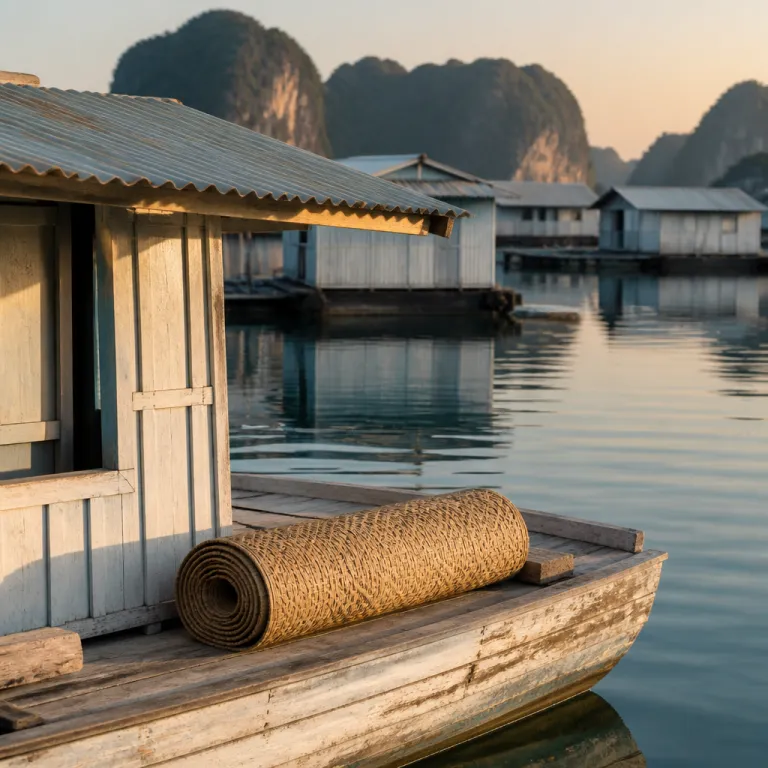
Houseboat southeast Asia floating village itineraries for serious waterline travelers
Houseboat itineraries in Southeast Asia’s floating world reward travelers who value tide tables over rooftop pools. A well planned houseboat route through Southeast Asia’s floating villages lets you move with the water levels rather than fight them, especially on vast systems like Cambodia’s Tonlé Sap Lake and the Mekong River. Think of your floating stay as a moving base that slips between lake, river and city in a single day without ever losing sight of the water.
On Tonlé Sap, where the area shifts from about 2 700 to roughly 16 000 square kilometres between dry and wet seasons, itineraries must respect how people live with these extremes. The best crafted routes pair a night on a comfortable boat with guided visits to both stilted and floating villages, so you see how the same community adapts when the lake is only a few metres deep or swollen into one of Asia’s largest inland floodplains. Dry season from November to May usually offers easier access, calmer crossings and clearer views of the floating villages that cluster near Siem Reap and Phnom Penh. These figures are widely cited by organisations such as UNESCO and regional environmental studies, which track the lake’s seasonal pulse.
For a luxury and premium booking website, the art lies in sequencing these experiences. One itinerary might start in the city of Siem Reap with sunrise at Angkor Wat, then shift you by private boat through Tonlé Sap’s channels to a quiet anchorage near Chong Khneas Village. Another might link Tonlé Sap to the Mekong River, using a houseboat as your overnight bridge between lake, river and capital city, with curated stops that support the local community rather than overwhelm it. In both cases, the goal is a seamless houseboat Southeast Asia floating village journey that feels fluid rather than rushed.
Tonlé Sap and Chong Khneas: reading the lake before you book
Tonlé Sap is not a single destination; it is a living system whose mood changes with every centimetre of rising or falling water. When you plan a houseboat Southeast Asia floating village stay here, you are really planning around water levels that dictate where boats can anchor, how far villages sit from shore and how easily local people travel to market. Dry season usually means clearer skies, more predictable boat transfers and less turbid water, which suits first time houseboat guests and families who prefer calmer conditions.
Chong Khneas, near Siem Reap, is often the first floating village name that appears on a booking page. Yet the most rewarding itineraries use Chong Khneas as a gateway rather than a box to tick, combining it with quieter communities and stilted settlements such as Kompong Phluk Village on the lake’s fringe. Official guidance from regional tourism boards is consistent: dry season (November–May) offers easier access; floating villages are technically accessible year-round but conditions vary by season; and homes are built on stilts or designed to float so they can adapt to changing water levels. During peak monsoon, some channels become too shallow or too narrow for larger vessels, so operators may switch to smaller boats for the final approach.
Premium houseboat platforms should translate those facts into concrete travel tips. In practice that means flagging when channels are only a few metres deep, adjusting day by day routes if a floating hamlet has shifted, and being honest about when a smaller boat is required to reach a remote village. It also means linking to transparent cost breakdowns, such as a detailed guide to the hidden costs of houseboat rentals, so guests understand how fuel, mooring and community support fees are priced into their Tonlé Sap itineraries. Reputable operators increasingly publish these details alongside safety notes and seasonal access updates so travelers can verify information before they book.
From Tonlé Sap to Ha Long Bay: stitching a regional floating circuit
Ambitious travelers increasingly want a single houseboat Southeast Asia floating village journey that connects Cambodia’s inland waters with Vietnam’s limestone bays. The most elegant way to do this is to treat Tonlé Sap, the Mekong River and Ha Long Bay as three chapters of one story, each with its own rhythm of boats, villages and local community life. You might start with Tonlé Sap’s currents and end among karst towers, but the through line is always how people live on water.
From Siem Reap and Chong Khneas, a multi day route can follow the Tonlé and Mekong downstream towards Phnom Penh, then on to Vietnam’s coast by land or short flight. In the Gulf of Tonkin, Ha Long Bay and nearby Bai Tu Long Bay host floating communities such as Cua Van Village and Vung Vieng Village, where traditional fishing families have long balanced work on the water with the arrival of overnight cruise boats. Here, the choice is between classic wooden junks that feel intimate and modern floating hotels that offer more facilities but can feel detached from the villages they overlook.
For travelers used to North American marinas, it helps to see how this region fits into the global rise of floating hospitality. Projects like Vancouver’s newly approved 250 room floating hotel in Coal Harbour, covered in depth in a feature on innovative floating hotel developments, show how cities are rethinking their waterfronts. In Southeast Asia, the same trend plays out on a different scale, with smaller houseboats and village based platforms that must respect fragile ecosystems and long standing fishing rights while still offering premium comfort. Industry analysts often describe this niche as a fast growing segment of the wider hospitality market, with several research firms projecting high single digit annual growth and highlighting Southeast Asia as a key region for community based water stays.
Thailand’s rafthouses and Myanmar’s lake villages: slow water itineraries
Not every houseboat Southeast Asia floating village experience involves a vast lake or a dramatic bay. In Thailand, the most atmospheric stays are often on compact rafthouses moored on emerald reservoirs or along quiet river bends, where the only traffic is a long tail boat and the occasional kayak. Khao Sok National Park’s raft lodges, for example, sit directly on the water, with jungle ridges rising almost vertically behind them.
Farther north, floating stays along the River Kwai offer a different kind of history focused itinerary, with day trips to railway sites balanced by long afternoons watching local people fish from simple boats. Around Chiang Mai, riverside lodges are usually on stilts rather than fully floating, yet they still echo the same relationship between village, water and seasonal change that defines Tonlé Sap. These Thai properties suit travelers who want a softer entry into the region’s aquatic life, with easier access to a nearby city and more predictable water levels than the Tonlé or Mekong.
Across the border in Myanmar, Inle Lake’s stilted villages and floating gardens once anchored some of Southeast Asia’s most photogenic water based itineraries. Current travel accessibility and safety considerations mean that many premium booking platforms now treat Inle as an aspirational future stop rather than an immediate recommendation, but the model remains influential. The idea of a lake where people live in houses on stilts, commute entirely by boat and cultivate crops on floating reed beds continues to shape how designers think about new floating villages and community led projects across the region. Before planning any visit, travelers should check the latest government advisories and on the ground reports, as conditions can change quickly.
Ethical stays in Cambodia’s floating villages: where your money goes
Luxury on water in Southeast Asia is never just about thread count; it is about whether your presence strengthens or strains the local community. On Tonlé Sap and along the Mekong and Tonlé rivers, the most responsible itineraries are those that channel a clear share of revenue into village projects, from school boats to waste management. When you book a houseboat Southeast Asia floating village stay, ask explicitly how your payment supports the people who live on these lakes and rivers.
In Cambodian floating communities such as Chong Khneas and the stilted Kompong Phluk Village, pressure from mass tourism has been intense. Some operators run quick boat loops that treat the village as a backdrop, while others partner with local guides, cooperatives and community organizations to design slower visits that respect privacy and daily routines. Look for itineraries that cap group size, schedule visits outside peak heat, and include time with local people on their terms rather than staged encounters for instagram or Pinterest feeds.
Ethical travel tips are especially important where water levels and livelihoods are so tightly linked. On Tonlé Sap, a poor season of fish or an unusually shallow year can push families to move their floating village homes or seek work in the city, making them more vulnerable to exploitative tourism. A premium booking website has the leverage to favour partners who invest in clean water, education and safe boat standards, and to be transparent about which floating villages are currently welcoming visitors and which prefer a pause. Clear notes on seasonal access, such as when only smaller boats can reach certain hamlets, help set expectations and reduce pressure on communities.
Practical booking guidance: comfort, connectivity and seasonal strategy
Planning a houseboat Southeast Asia floating village itinerary is part romance, part logistics. You need to understand how many hours per day you are comfortable on a boat, how much motion you tolerate at night and how close you want to be to a city like Siem Reap or Phnom Penh for onward travel. The more precisely you answer those questions, the easier it becomes to choose between Tonlé Sap, Ha Long Bay, Thai rafthouses or a Mekong River cruise.
On Cambodia’s Tonlé Sap, expect simpler facilities than on Vietnam’s polished Ha Long Bay junks, but also a more direct connection to how people live on the water. Cabins are usually compact, with fans or basic air conditioning, and connectivity can be patchy once you leave the main channels near Chong Khneas or the Tonlé’s confluence with the Mekong. In Ha Long Bay and Bai Tu Long Bay, by contrast, you will find multi deck boats with ensuite cabins, reliable Wi Fi and structured day by day programs that include kayaking, cave visits and stops at floating villages such as Cua Van Village.
To make this more concrete, consider a sample three night circuit for two adults in the mid to upper range. Night one might be in Siem Reap, with a private transfer to the pier and an afternoon cruise to a Tonlé Sap floating village, including sunset drinks and a simple onboard dinner. Night two could be spent on a comfortable riverboat heading down the Tonlé towards Phnom Penh, with guided village visits and all meals included. On night three, after a short flight to Hanoi and a road transfer to the coast, you might board a Ha Long Bay cruise with a private cabin, kayaking and cave excursions. Typical cost components would include the houseboat or cruise rate, fuel surcharges, transfers between city and pier, national park or community fees and gratuities, with a realistic combined budget often running into the low four figures in US dollars depending on season and level of luxury.
Key figures from Southeast Asia’s floating world
- Tonlé Sap Lake in Cambodia is widely reported to cover about 2 700 square kilometres in the dry season and to expand to roughly 16 000 square kilometres in the wet season, making it one of Asia’s largest seasonal lakes and a uniquely challenging environment for planning houseboat itineraries (figures compiled from regional tourism and environmental studies, including work cited by UNESCO and Mekong basin research groups).
- Industry analysts describe the floating hospitality sector worldwide as a fast growing niche, with several market research firms estimating high single digit compound annual growth rates and identifying Southeast Asia as a key emerging region for community based water stays.
- Global estimates of remote workers now run into the tens of millions, and some labour and travel trend reports project more than 40 million location flexible professionals within the next few years, a shift that extends the booking season for houseboat and floating village stays beyond traditional holiday peaks.
- On Tonlé Sap and its connected rivers, guided boat tours and cultural visits operate year round, but dry season from November to May is consistently cited by regional tourism boards as the period with the most reliable access to floating villages and stilted communities.
FAQ about houseboat stays in Southeast Asia’s floating villages
What is the best time to visit Tonlé Sap and its floating villages?
The most practical time to visit Tonlé Sap and nearby floating villages such as Chong Khneas is during the dry season from November to May. Water levels are still high enough for safe boat access, but currents are calmer and visibility is better than in peak monsoon months. This period also aligns well with houseboat itineraries that combine Siem Reap, Angkor Wat and lake based community visits.
Are Southeast Asia’s floating villages accessible throughout the year?
Most floating villages in Cambodia and Vietnam are technically accessible year round, but the experience changes dramatically with the seasons. During the wet months, some communities sit many kilometres from their dry season positions, and access may require smaller boats or longer transfers. Premium booking platforms should flag these shifts clearly so travelers understand how itineraries will adapt to current water levels.
How do floating communities adapt to changing water levels?
Communities on Tonlé Sap, the Mekong River and similar systems adapt by building homes on stilts or designing structures that float and can be moved as the lake expands and contracts. In places like Kompong Phluk Village, houses tower above the dry season ground, while in fully floating villages, homes, schools and shops are anchored to the lakebed and repositioned as needed. This flexibility allows people to live with seasonal floods that can raise the water surface by several metres without abandoning their villages.
What level of comfort can I expect on a Southeast Asian houseboat?
Comfort levels vary by destination and operator, but most premium houseboats in Ha Long Bay and similar hubs offer ensuite cabins, air conditioning and structured dining, while Tonlé Sap boats tend to be simpler but more intimate. In all cases, space is limited compared with land based hotels, and motion from waves or passing boats is part of the experience. Travelers who prioritise quiet luxury should look for smaller vessels with fewer cabins, clear safety standards and transparent information about facilities and connectivity.
How can I ensure my visit supports the local community?
The most effective way to support local communities is to book with operators that partner directly with village cooperatives, hire local guides and contribute a defined share of revenue to community projects. Ask where your money goes, how many local people are employed on each boat and whether visits are capped to avoid overwhelming smaller villages. Responsible itineraries also encourage respectful behaviour, such as not photographing residents without permission and avoiding purchases that contribute to overfishing or environmental damage.