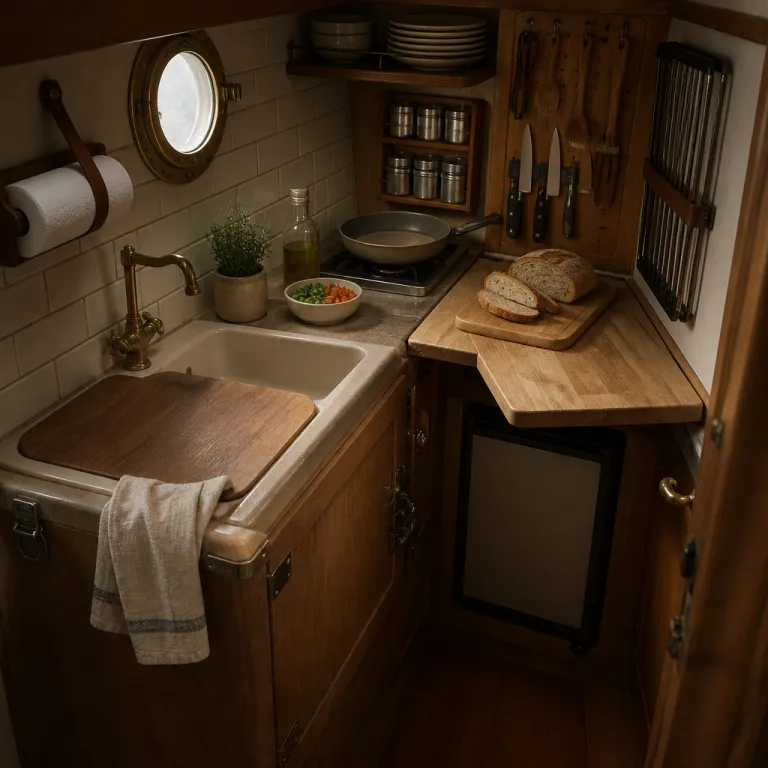
Why the galley defines a luxury houseboat stay
The character of a luxury houseboat stay is set in the galley, not the lounge. On a traditional Kerala kettuvallam, the cook stands in a narrow coastal galley below deck, turning the morning’s backwater catch with coconut, curry leaves and green chili into lunch while the boat glides past rice paddies. That is houseboat galley cooking at its purest, where a two square metre kitchen quietly delivers restaurant level food with nothing more than gas rings, a pressure cooker and a view of egrets.
Across Amsterdam’s canals or Seattle’s lakes, the same principle holds ; the best properties treat the small galley as the heart of the experience, not an afterthought. When you book a premium cooking boat stay, ask how the crew actually cook on board, which recipes they rely on in a space this small, and whether the chef has trained specifically for marine kitchens. Houseboat residents and marine kitchen designers both agree that the galley defines daily rhythm, because every meal must work well within strict limits of water, fuel and storage.
For guests, that means the quality of food often outshines many land based hotels, provided the operator respects the craft of cooking in motion. A well planned galley can turn simple chicken and vegetables into a great dinner, while a poorly designed one struggles with even easy pasta. When you read any houseboat cookbook or look at online cookbook recipes, notice how often they reference movement, balance and stowing ; these are not stylistic flourishes but survival tactics in a moving kitchen.
Inside the two square metre galley: constraints that shape the menu
Most premium houseboats allocate around two square metres to the galley, which forces a ruthless edit of tools and recipes. Limited fridge capacity, a compact cooking boat stove and almost no spare counter space mean that one pot dishes, pressure cooking and deep dishes become the default rather than a trend. Marine kitchen designers routinely specify gimbaled stoves, non slip mats and galley straps because, as one safety guideline puts it, “Use gimbaled stoves and secure cookware.”
On a Kerala kettuvallam, the cook often works with two gas rings instead of a full oven, so houseboat galley cooking leans on skillets, lidded pots and banana leaf parcels that can be stacked double. The same logic applies in a sleek Scandinavian coastal galley, where a small galley layout must still handle breakfast, lunch and dinner for several days without feeling like camping. Space saving appliances from specialist marine equipment suppliers now work well in these environments, but they still demand discipline from whoever has the role of cook on board.
Trash disposal is another quiet constraint that shapes both food and workflow, because every peel, carton and bottle must be stored until the next marina. Luxury operators with strong environmental policies give good advice about separating waste and minimizing packaging before guests even reach the grocery store. If you are comparing refined waterfront dining options, read how a place like Wilson Boat House Restaurant talks about sourcing and waste management, then ask your houseboat host similar questions about their galley and food ethos.
Signature dishes that thrive in a moving kitchen
Some dishes simply belong on the water, because they respect the limits and strengths of a galley. One pot curries, slow simmered spaghetti sauce and fragrant rice work beautifully in a pressure cooker, which saves time and keeps the small galley cooler on humid days. On Kerala backwaters, a cook might pan fry the morning’s fish with turmeric and chili, then finish it in coconut milk while rice steams in a stacked pot above.
Griddle cooking is another ally of houseboat galley cooking, from charred vegetables to flatbreads warmed beside a pan of eggs. Many cooks keep a mental cookbook of adaptable recipes that can shift from chicken to lentils depending on what the grocery store in the last village actually had. Banana leaf parcels, foil packets and deep dishes that can be wedged securely on a gimbaled stove all work well when the boat swings on its mooring or a passing wake rocks the hull.
Breakfast on a premium houseboat often feels quietly indulgent, even when the food is simple. Toasted English muffins with local honey, a pan of tomatoes and herbs, and strong coffee sipped beside the galley window can rival any top hotel buffet. The best cooks treat these easy meals as part of the journey, not a pause from it, and they use compact tools and modular storage solutions so that everything can be stowed in seconds when it is time to move the boat again.
What to ask before you book a luxury houseboat
Before confirming a premium houseboat stay, ask very specific questions about the galley and how meals are handled. Clarify whether there is a resident chef, a shared guest galley or a self catering kitchenette, because each model changes how you will experience houseboat galley cooking. If a chef is on board, request sample menus, ask how they manage trash disposal between marinas and check whether they can adapt recipes for dietary needs in such a small space.
For shared or self catering setups, ask for photos of the galley from several angles, including storage, stove and sink. Confirm whether there is an oven or only gas rings, how large the fridge is and whether any cookware or cookbooks are provided for guests who want to cook well on board. When operators mention books about sailing or a houseboat specific cookbook, that is usually a sign they take the realities of a small galley seriously and have refined their systems over many book years of feedback.
It is also worth asking how the crew handle safety while cooking, especially if you plan to move the boat yourself. Read guidance such as our refined article on taking the helm of a luxury houseboat, then ask how that advice translates into real work in the galley while underway. A professional team will explain how they secure pans, when they avoid cooking during maneuvers and how they plan meals around the calmest parts of the day, which all contribute to a smoother, more luxurious stay.
Provisioning smartly when you self cater on board
Self catering on a luxury houseboat can feel liberating, provided you provision with the galley in mind. Plan meals ahead, favoring easy recipes that use overlapping ingredients so that a single pan of spaghetti sauce can become shakshuka the next morning and soup the following day. When you first reach a good grocery store near the marina, buy fresh produce and proteins for the first two days, then rely on tins, grains and long life items for later in the trip.
Think in terms of deep dishes, stackable containers and double duty ingredients that work well across several meals. Chicken thighs, for example, can anchor a curry one night, then reappear shredded in sandwiches or salads, which saves time and reduces waste in the small galley fridge. Many experienced cooks on boats keep a slim notebook of their own cookbook recipes, refined over years rather than pulled from glossy books, because they know exactly how those dishes behave when the hull moves.
Online retailers such as Amazon carry compact galley gear, but buy only what you truly need, because every extra book, gadget or pan competes for space with food and personal items. A couple of top quality knives, a stable chopping board and a reliable pressure cooker usually work well for most cooking styles. Remember that every item you bring aboard must be washed, dried, stowed and eventually carried off again, so treat your packing list like a carefully edited coastal galley cookbook rather than a full home kitchen inventory.
The sensory payoff of eating from the water, for the water
The reward for all this discipline is intensely memorable eating, shaped by water, weather and the gentle movement of the boat. Lunch on a kettuvallam might be fish caught that morning, fried crisp in the galley while palm fronds brush the roof and the air smells of wood smoke and curry leaves. In Amsterdam, it could be English muffins toasted on a tiny stove, topped with market cheese and eaten beside a window where the canal laps almost at eye level.
Houseboat residents often say that cooking boat meals changes how they relate to time, because the day is measured in tides, locks and the rhythm of the stove. “What meals are suitable for houseboat kitchens? One-pot dishes and pre-cooked meals.” That simple line captures the essence of houseboat galley cooking, where the best recipes respect the limits of a two square metre space yet still feel generous and deeply satisfying.
For many travelers, these meals become the most vivid memories of a trip, outlasting even the views. A well handled coastal galley turns basic food into something quietly luxurious, whether that is chicken simmered with local wine or vegetables grilled while swans drift past. When you next browse books about sailing, or scroll through online reviews of great houseboat stays, pay close attention to how guests talk about the galley ; their words will tell you more about the soul of the experience than any list of amenities.
FAQ
How can I cook safely in a very small galley ?
Safety in a small galley starts with stability and planning. Use gimbaled stoves and secure cookware, keep non slip mats under boards and avoid cooking during tight maneuvers or rough water. Store knives and heavy items low, and always stow pots, bottles and books before the boat moves.
What types of meals work best for houseboat galley cooking ?
Meals that use one pot or a single pan work best, because they reduce washing up and keep the galley uncluttered. Curries, stews, pasta with simple sauces, grilled fish and skillet breakfasts all adapt well to a two burner stove. Pre cooking some elements at the marina, such as a base of spaghetti sauce, also helps when you have limited time or fuel.
How do I maximize space in a two square metre kitchen on board ?
To maximize space, rely on multi purpose tools, vertical storage and nesting cookware. Foldable colanders, deep dishes that stack and containers that double as mixing bowls all reduce clutter in a small galley. Keep only one or two essential cookbooks or books about sailing on the counter, and stow the rest in a dry locker.
What should I buy before boarding a self catering houseboat ?
Buy fresh produce, bread and dairy for the first two days, then stock tins, grains and long life items for later meals. Choose ingredients that can be used in several recipes, such as chicken, eggs, onions, tomatoes and herbs, so nothing is wasted. Bring compact seasonings, coffee, tea and any special items you cannot rely on finding in a small coastal grocery store.
How is trash disposal handled on luxury houseboats ?
Most luxury operators ask guests to separate recyclables, food waste and general trash, then store them securely until the next marina. Because space is limited, minimizing packaging at the point of purchase is the best strategy for easier trash disposal. Ask your host for their specific system before you arrive, so you can pack and shop in a way that supports it.