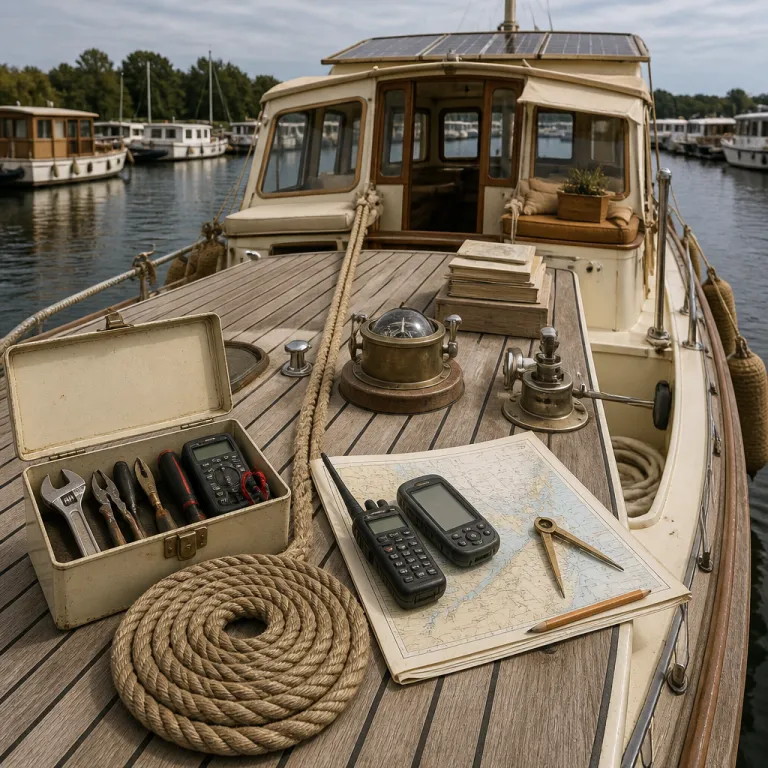
Houseboat workation remote work for executives who live on deadlines
Move your Monday to a houseboat and the week changes shape. A true houseboat workation remote work setup replaces lobby noise with the soft slap of water against the hull, yet still respects your calendar and client expectations. For people used to premium hotels, luxury houseboats now offer a credible alternative for working days and quiet nights afloat.
The shift is not only romantic ; it is operational. When work requirements include long email stretches, document drafting and strategic thinking, a boat based office can serve you well as long as the internet backbone is treated as seriously as the espresso machine. In Kerala, for example, 4G coverage across the kerala backwaters typically delivers 10 to 20 Mbps, which is enough for most remote work tasks but can feel tight for heavy video calls or large file transfers during peak time.
Executives exploring a houseboat workation remote work pattern usually fall into three groups. Some are digital nomads who want water under the keel instead of another co working space, others are remote workers extending business voyages into leisure days, and a third group are writers finishing complex reports who crave environment change to finally get the wording right. All three groups care less about the fantasy of a laptop on a sun deck and more about whether power, motion sensitivity, time zone differences and stable video meetings will hold up across a full working week.
Kerala backwaters versus urban lakes: choosing your working waterway
Not all water is equal when your calendar is full of remote work commitments. The kerala backwaters offer a lush, slow moving setting where five to seven nights on luxury houseboats have emerged as the sweet spot for a productive workation, while urban lakes such as Lake Union in Seattle trade palm trees for proximity to city clients. In both cases, the question is simple ; which waterway supports your work flexibility and which one quietly sabotages it.
In Kerala, operators now design specific houseboat workation remote work itineraries that keep you within stronger signal corridors during core working hours. They recommend multiple SIM cards from different providers, dual carrier routers and signal boosters, because cellular data remains more reliable and cost effective than satellite internet for most remote workers. Five to seven days on a boat here feel long enough to reset your relationship with time, yet short enough that connectivity frustrations or monsoon season squalls do not erode your patience.
On Lake Union, the move by work management platform monday.com to relocate part of its équipe to a houseboat office shows how urban water can support serious working patterns. The company’s stated aim is to foster creativity, reduce the average office rent per square metre and enhance work life balance through a hybrid of physical relocation and remote work integration. For executives considering similar voyages between city boardrooms and floating desks, this kind of precedent proves that a carefully planned season pass to the water can be more than a scarlet summer experiment in lifestyle branding ; it can be a durable operating model that still lets you step ashore for key meetings or a favourite restaurant.
For a deeper look at why the slowest itineraries often work best for productivity, study the philosophy behind slow water houseboat trips where you go almost nowhere. The same logic applies to remote workers ; less geographical motion, more mental movement.
Inside a working week on luxury houseboats: what actually works
A realistic houseboat workation remote work schedule starts with ruthless clarity about which tasks belong on the boat. Email triage, strategy decks, contract reviews and writers finishing complex proposals all sit comfortably within a floating routine, while daily video calls with twenty participants or constant file transfers of heavy design assets often do not. The water may soothe your nerves, but it will not magically upgrade a weak signal.
On well equipped luxury houseboats in Kerala or on design forward craft such as those featured in the quiet revolution in British houseboat design, you can expect dedicated workstations, multiple power outlets and sometimes a secondary router as backup. Cellular data with dual carrier setups remains the norm, because Starlink and similar satellite internet options are still expensive for long stays and can be excessive for executives whose working days are mostly text and spreadsheet based. For many people, the most fragile part of the day is the scheduled block of video meetings, when a passing storm or a crowded tower can briefly remind you that water always has the final word.
To keep your working rhythm intact, design your days around connectivity peaks and lulls. Mornings, when the air is cooler and towers less congested, are ideal for critical video calls and time sensitive remote work, while afternoons can be reserved for deep focus tasks that tolerate brief drops in speed. Evenings become personal time for a swim, a short paddle in a smaller boat or simply watching the backwater light fade, which quietly reinforces the sense that your work flexibility is now measured in tides rather than traffic lights.
Connectivity, motion sensitivity and the limits of video calls on water
The single biggest constraint on any houseboat workation remote work plan is connectivity. In Kerala and on many inland waterways, 10 to 20 Mbps downlink speeds are common, which is perfectly adequate for email, cloud documents and one to one video calls, but can feel fragile when several people on board are working simultaneously. Remote workers who rely on constant video meetings or real time collaboration tools need to accept that water introduces a small but real element of unpredictability.
Motion sensitivity is another under discussed factor, especially for executives who spend long days staring at screens. Gentle rocking can be calming for some people and nausea inducing for others, and the effect often intensifies during long video calls when your inner ear and your eyes disagree about what is moving. If you know that your body does not respond well to ferries or small boat voyages, test a shorter stay of two or three days before committing to a full week of working afloat.
File transfers deserve their own risk assessment. Uploading large pitch decks, raw video assets or complex CAD drawings can take significantly more time over cellular internet than over fibre in a city apartment, and this delay can affect both your patience and your deadlines. The most successful digital nomads on water schedule heavy uploads overnight, use compression tools aggressively and keep a land based backup plan in reserve for the rare day when the network simply does not work as promised.
From burnout to renewal: why executives trade towers for backwater decks
For many senior professionals, the appeal of a houseboat workation remote work escape is less about Instagram and more about survival. After years of back to back video meetings, constant notifications and no clear boundary between office and home, the idea of working over water offers a different kind of season pass to focus. The kerala backwaters, Amsterdam’s canals or Seattle’s Lake Union become not just travel destinations but deliberate tools for resetting how you relate to time and responsibility.
Psychologists often speak about environment change as a lever for behaviour change, and water amplifies that effect. When your day begins with mist lifting off a quiet channel instead of a rideshare queue, your nervous system receives a different message about urgency, even if your work requirements have not changed at all. People who have shifted part of their remote work to luxury houseboats frequently report that the gentle separation from land based routines helps them reclaim personal time in the evenings, because the temptation to slip back into the office after dinner is literally across the water rather than down the hall.
This is where the narrative of writers finishing novels on boats intersects with the reality of executives finishing board decks. The same isolation that helps an author close a manuscript can help a chief financial officer close a quarter, provided that the internet holds and the calendar respects the local time zone. Over several days or nights afloat, the water becomes a quiet partner in your productivity, nudging you toward deeper focus while the shoreline waits patiently for your return.
Costs, logistics and how to choose the right floating office
When you compare a houseboat workation remote work stay with a premium hotel plus restaurant plus co working package, the numbers can surprise you. A well specified luxury houseboat in Kerala that includes meals, crew and reliable internet can undercut the combined cost of a city hotel room, three restaurant meals per day and a dedicated desk in a shared office, especially over five to seven nights. The key is to factor in not only the nightly rate but also the hidden costs of commuting, constant dining out and the mental toll of a noisy lobby bar when you still have work to finish.
Logistics matter as much as price. Before booking, ask precise questions about power redundancy, router models, supported carriers, average speeds at different times of day and whether the boat remains mostly stationary or undertakes long voyages during working hours. Some executives prefer a near static setting, where the boat is moored in a strong signal zone and only moves during lunch breaks or at the end of the day, while others enjoy a gentle cruise through backwater channels as long as critical video meetings are scheduled for known coverage windows.
Corporate teams considering a more radical shift, such as the monday.com move to a Lake Union houseboat, should think in terms of phased adoption. Start with a pilot group of remote workers who volunteer for a summer season rotation, monitor productivity, motion sensitivity issues and employee satisfaction, then decide whether to expand the model. For detailed guidance on layout, ergonomics and connectivity planning, the practical framework in this guide to creating an office on a houseboat offers a useful checklist for turning water based dreams into a reliable working environment.
Key figures when you move your Monday to a houseboat
- Typical 4G speeds in the kerala backwaters range from 10 to 20 Mbps, which comfortably supports email and cloud documents but can constrain multi party video calls during peak hours, according to connectivity data from regional operators.
- Five to seven nights have emerged as the optimal duration for a productive houseboat workation, because shorter stays feel rushed while longer stays increase the risk of connectivity fatigue and monotony, based on feedback from repeat guests on Kerala luxury houseboats.
- Average office rent in central Seattle reaches around 35 USD per square foot per year, which means that relocating part of a team to a Lake Union houseboat can significantly reduce fixed real estate costs for companies experimenting with hybrid remote work models.
- Studies on flexible work environments report productivity increases of roughly 20 percent when employees gain more control over where and how they work, a figure that aligns with anecdotal reports from remote workers who have tested multi day workations on boats.
- Cellular data with dual carrier routers remains more cost effective than satellite internet for most boat based professionals, while Starlink and similar systems are typically reserved for offshore voyages or locations with minimal terrestrial coverage.
FAQ about working remotely from a houseboat
Why move to a houseboat?
To foster creativity and reduce costs.
How will operations be affected?
Minimal disruption expected; remote work protocols in place.
Is this a permanent move?
Currently indefinite; subject to evaluation.
What types of work are best suited to a houseboat setting?
Tasks that rely on stable but not ultra high bandwidth connections, such as email, writing, analysis and small group video calls, are ideal for a houseboat environment, while roles that demand constant large file transfers or all day video conferences are better kept on land based fibre connections.
How should I prepare for limited space and changing conditions on board?
Pack only essential equipment, use compact accessories, plan for weather shifts with layered clothing and always confirm power backup, internet redundancy and motion sensitivity considerations with the operator before committing to a full working week on the water.
References
- Spice Routes Luxury Cruises, workation connectivity and duration guidance for Kerala houseboats.
- Discover Boating, practical advice on working remotely from boats and connectivity options.
- Seattle commercial real estate reports, benchmark data on office rental costs and flexible workspace trends.