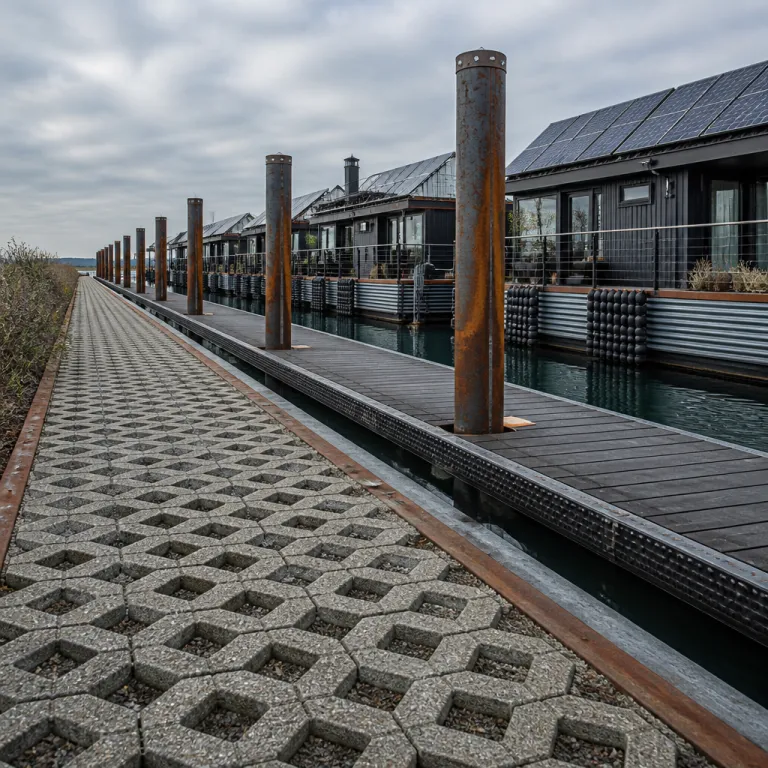
Why sustainable marina design matters for luxury houseboat guests
Choosing a luxury houseboat stay now often means choosing a sustainable marina as well. For high end travelers, sustainable marina design links comfort with a lower environmental impact, shaping everything from the view off your deck to the silence of the night. A well planned marina will feel calm and refined, yet its systems quietly protect marine life and the wider environment.
At Port Hercule in Monaco, recent waterfront upgrades and concept studies show how a marina can host premium houseboats while respecting natural beauty. The Port Hercule masterplan has focused on improving water circulation, adding cleaner shore power connections and reorganizing berths to reduce congestion, illustrating how a busy superyacht harbor can still prioritize environmental performance. Contemporary marina design increasingly uses modular structures and floating breakwaters so that water can circulate freely, which helps maintain water quality and reduce environmental stress on marine ecosystems. When marinas adopt these sustainable design principles, guests enjoy clearer water, healthier marine life and a more serene coastal atmosphere during their stay.
Sustainable marina design is generally defined as planning and building marinas to minimize environmental impact and promote ecological health over the long term. Specialist consultants work with local environmental agencies and initiatives such as the Blue Flag or similar clean marina programs, which set criteria for water quality, waste handling and environmental education, to align marina operations with measurable sustainability goals and recognized certifications. For travelers, that means shore power instead of noisy generators, eco friendly materials underfoot and facilities that manage waste responsibly rather than passing the cost on to the environment.
Designing marina waterfronts that elevate premium houseboat experiences
For guests booking a luxury houseboat, the marina waterfront is effectively the lobby, spa and garden combined. A thoughtful design balances privacy for boaters with easy access to facilities such as concierge pontoons, quiet shore power pedestals and elegant waste management points. When these systems are integrated into the waterfront planning from the start, the result feels effortless and refined for every visitor.
Modern sustainable marina design relies on feasibility studies that examine environmental impact, life cycle cost and market demand for premium boating tourism. In Monaco and other high profile destinations, environmental impact assessment tools help planners understand how floating breakwaters that allow natural water flow can protect marine habitats while still sheltering houseboats from waves. Guests benefit from smoother nights on board, while marine life benefits from water that circulates more naturally around the marina structures.
Remote workers booking a long term stay on a houseboat increasingly expect stable power, quiet surroundings and strong connectivity. When you choose a marina that has invested in sustainable systems, you are more likely to find well designed quays that support refined work life afloat, and guides on how to create an office on a houseboat can help you make the most of that infrastructure. As one frequent guest described after a month on board in a modern eco conscious marina, “It felt like a boutique hotel on the water, but with the sea life right outside my window and none of the generator noise I expected.” This type of planning shows that the marina will serve both present guests and future generations of boaters without sacrificing environmental sustainability.
Materials, systems and shore power that shape sustainable comfort
The materials beneath your feet on a marina pontoon influence both comfort and sustainability. Traditional treated wood docks are often replaced within two decades in busy marinas, according to industry life cycle assessments, which makes long term planning essential for any waterfront that hosts luxury houseboats. By choosing more durable and eco friendly materials, such as certified tropical hardwood alternatives, recycled composites or aluminum systems, marinas can reduce environmental pressure and long term replacement cost while still offering a premium feel.
Shore power systems are central to sustainable marina design because they allow houseboats to switch off engines and generators. This reduces noise, improves local air quality and cuts emissions that would otherwise affect the coastal environment and nearby marine life. For guests, plugging into a well managed shore power pedestal means quieter evenings, cleaner air and a more exclusive atmosphere around the pontoons. For travelers searching for eco friendly marina shore power for houseboats, these upgraded electrical systems are often a clear indicator of serious sustainability commitments.
Behind the scenes, integrated systems for water, energy and waste management define how clean marina operations really are. Studies by organizations such as the International Council of Marine Industry Associations indicate that efficient water treatment and desalination technologies can significantly reduce combined water and power consumption compared with conventional supply, which supports both financial planning and environmental sustainability. When you read about small space brilliance and design lessons from the world’s most thoughtful houseboats, remember that these interiors feel luxurious partly because the surrounding marina infrastructure has been designed with the same level of sustainable detail.
Environmental best practices that protect marine life for guests
Travelers choosing a premium houseboat stay often care deeply about marine life and coastal ecosystems. Sustainable marina design responds by embedding best practices into daily marina operations, from water quality monitoring to strict waste management protocols. A marina will feel more exclusive when the water is clear, the air is fresh and wildlife is visibly thriving around the pontoons.
Design teams use environmental impact assessment tools during planning to understand how new marinas and expanded facilities will affect the surrounding environment. Floating breakwaters contribute to sustainability because they reduce wave energy while allowing water flow and fish migration, which means guests can watch fish and other marine species move naturally around the marina. When marinas adopt clean marina standards, they commit to reduce environmental pollution from fuel, grey water and solid waste, which directly benefits both boaters and local communities.
Houseboat travelers can support these efforts by choosing marinas that promote eco friendly boating practices and clear guidelines to protect marine habitats. Simple measures such as using shore power, sorting waste correctly and respecting no discharge zones help maintain long term sustainability for the destination. Over time, this shared responsibility between marina operators and guests preserves natural beauty and ensures that future visitors enjoy the same high quality experience on the water.
Planning, feasibility and financial clarity behind premium green marinas
Behind every serene luxury houseboat berth lies rigorous planning and financial analysis. Marina operators commission feasibility studies to test market demand, environmental constraints and projected marina operations before building new berths or upgrading facilities. These studies examine life cycle cost, potential environmental impact and the long term sustainability of the marina waterfront as a destination.
Financial planning for sustainable marina design goes beyond construction budgets to include maintenance, energy systems and waste management infrastructure. By investing early in efficient systems, such as LED lighting, smart metering and renewable energy, marinas can reduce environmental pressures while stabilizing operating costs for decades. Guests indirectly benefit because stable finances often translate into better services, well maintained pontoons and consistently high standards of cleanliness.
Consultants like Marina Projects and other specialist firms bring marine expertise to align design choices with both regulatory requirements and guest expectations. They work with partners such as the Blue Marine Foundation and local environmental agencies to ensure that marinas protect marine ecosystems while remaining competitive in the luxury travel market. When you book a premium houseboat in a marina shaped by this level of planning, you are effectively choosing a stay that supports responsible coastal development and sustainable tourism.
How guests can choose and enjoy more sustainable marinas
Travelers have real influence over the future of sustainable marina design through their booking choices. When searching for a luxury houseboat, look for marinas that highlight clean marina certifications, clear waste management policies and investments in shore power and eco friendly materials. These signals show that the marina will prioritize both guest comfort and environmental responsibility.
On arrival, you can ask staff about water quality monitoring, recycling options and any local guidelines to protect marine life. Many coastal destinations now encourage visitors to use public transport to reduce their carbon footprint and to stay in eco friendly accommodations that align with regional sustainability goals. By following these best practices, you help reduce environmental pressure on the marina environment while still enjoying a refined, relaxing stay.
Design focused travelers may also appreciate marinas that collaborate with architects and urban waterfront designers to integrate houseboats gracefully into the marina waterfront. Articles on thoughtful houseboat interiors and small space brilliance often highlight how interior design and external marina planning work together to create a seamless experience. As more marinas adopt sustainable design principles, the market for premium houseboat stays will continue to evolve toward quieter, cleaner and more nature connected escapes on the water.
Key figures shaping sustainable marina design for houseboat stays
- Industry assessments suggest that many traditional treated wood docks are replaced within about 15–20 years in active marinas, which makes life cycle planning and material choice critical for any marina that wants to reduce environmental waste and long term replacement cost.
- Research summarized by the International Council of Marine Industry Associations indicates that modern desalination and water treatment systems can cut combined water and power use substantially compared with older supply models, helping marinas balance financial planning with sustainability goals while maintaining high service levels for guests.
- Floating breakwaters that allow natural water flow support fish migration and water quality, which directly enhances guest experiences by keeping the marina environment visually cleaner and more vibrant with marine life.
- Adoption of renewable energy in marinas, such as solar arrays on service buildings and pontoons, can significantly cut operational emissions over the full life cycle of the marina, supporting long term coastal resilience and sustainable tourism.
- Community involvement in marina planning, through public consultations and partnerships with local environmental agencies, increases project feasibility and helps ensure that new marinas respect both natural beauty and local economic needs.
FAQ about sustainable marina design and luxury houseboat bookings
What is sustainable marina design in the context of houseboat stays ?
What is sustainable marina design? Designing marinas to minimize environmental impact and promote ecological health. For houseboat guests, this means marinas that use eco friendly materials, efficient energy systems and careful planning to protect marine life while still offering premium comfort and services.
Why is modular design important for marinas hosting houseboats ?
Why is modular design important in sustainable marinas? It allows flexibility, reduces construction waste, and integrates with natural surroundings. For houseboat travelers, modular pontoons and floating facilities can be reconfigured to create quieter berths, better privacy and upgraded amenities without major disruption to the environment.
How do floating breakwaters improve the guest experience ?
How do floating breakwaters contribute to sustainability? They reduce wave energy while allowing water flow and fish migration. Guests benefit from calmer conditions on board, clearer water around the marina and more visible marine life, all of which enhance the sense of natural beauty during a luxury stay.
What should I look for when choosing a sustainable marina for my houseboat ?
Travelers should look for clean marina certifications, visible waste management systems, shore power at every berth and clear information about water quality monitoring. Asking staff about environmental impact policies and partnerships with organizations such as the Blue Marine Foundation can also indicate a genuine commitment to sustainability.
How can my behavior as a guest support marina sustainability ?
Guests can support sustainability by using shore power instead of running generators, sorting waste correctly, avoiding any discharge into the water and respecting local marine life guidelines. Choosing public transport where possible and favoring marinas that invest in sustainable design sends a clear market signal that responsible boating tourism is valued.
