Shine Down’s off grid promise and the new price of solar powered luxury
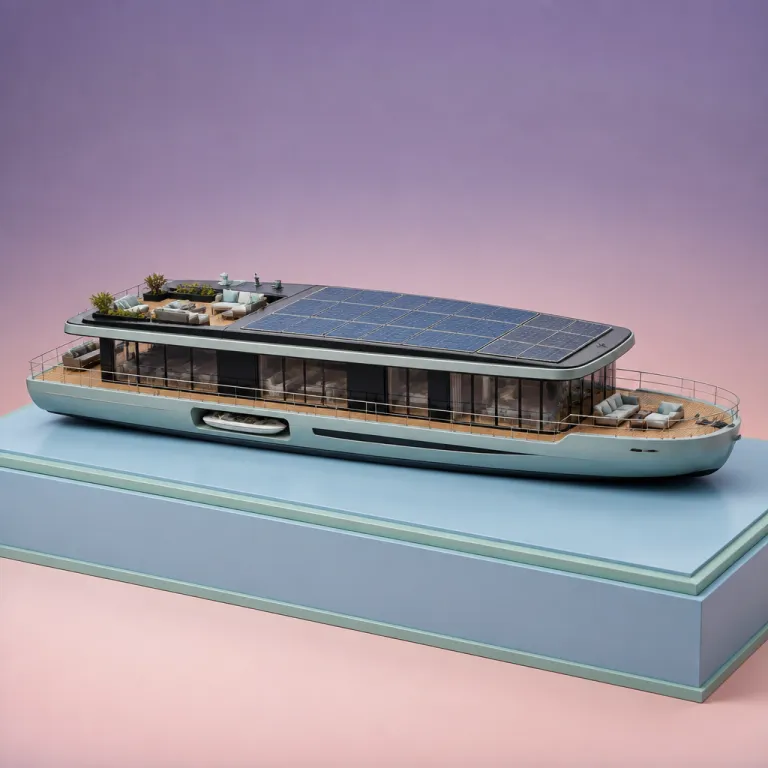
Shine Down is a 120 foot solar powered houseboat moored in Apalachicola, Florida, now listed at 15 million dollars after an original 10 million build valuation. The flat bottom aluminum boat was built by Breaux Brothers Enterprises for Philip and Rhonda Shelley, and its resale price signals that a large scale solar powered vessel has moved from passion project to investment grade floating real estate for serious travelers who might otherwise book a penthouse suite on land. For couples used to premium hotels, the houseboat offers more than a great view of the water; it offers a private 11,800 square foot area that functions as both cruising home and long stay retreat, with a public listing on World Wide Yacht Sales and specification details that confirm the asking price, builder and owner names for anyone researching an off grid houseboat for sale.
The living spaces are fully powered by a dedicated solar power system, with 108 solar panels feeding a lithium iron phosphate battery bank of more than 300 kilowatt hours through a 170 kilowatt inverter. That battery system runs HVAC, lighting, water purification and induction cooking for months at a time, so a member of your traveling party can work remotely while another swims in the pool without thinking about shore power cables or generator noise. For travelers comparing this solar powered houseboat with a conventional yacht charter, keep in mind that the three Cummins QSM11 diesel engines still handle propulsion, so cruising speed and range remain familiar while hotel style comforts stay electric and quiet, a combination that makes a solar houseboat charter in Apalachicola feel both modern and reassuringly proven.
From a booking perspective, Shine Down reads like a floating villa rather than a standard houseboat, with five king bedrooms, seven bathrooms and a rooftop pilothouse that frames sunrise over the marshes particularly well. The enclosed interior covers more than 6,400 square feet, and the remaining deck area includes a swimming pool, tender garage and lounging zones where couples can spend time watching dolphins track the hull at low speed. For travelers following the broader shift toward eco friendly floating stays, Shine Down sits within a thread of projects that position living on water as climate strategy, a movement explored in depth in the guide to floating homes as long term climate resilient living.
Shine Down at a glance
Solar panels: 108 modules
Battery storage: >300 kWh lithium iron phosphate
Inverter capacity: 170 kW
Engines: 3 × Cummins QSM11 diesel
Interior space: approx. 6,400 sq ft enclosed
Total living area: approx. 11,800 sq ft including decks
How Shine Down’s solar system works for guests, not just engineers
Behind the clean decks, Shine Down hides a dense layer of solar technology that has been specified for comfort rather than laboratory performance charts. The 108 solar panels are mounted across the superstructure to capture solar energy throughout the day, then route it through a marine grade power management system that balances charging, discharging and inverter loads without guest intervention. For a couple used to tapping an install app on a smart thermostat, the interface here is similarly simple; you see available solar power, battery state and estimated time remaining, while the crew handles any deeper system checks and keeps the off grid houseboat systems tuned for quiet operation.
The lithium iron phosphate battery storage exceeds 300 kilowatt hours, which means that even on cloudy days the houseboat can run air conditioning, water systems and entertainment for a long time before the battery charge will require topping up. Guests rarely think about the electric motor on a tender or the electric motors in winches and thrusters, yet all these electric systems draw from the same carefully designed backbone that keeps the experience quiet and low vibration. Travelers who like to click expand on technical specifications will note that the inverter capacity allows multiple high draw appliances to run at once, so you can cook, charge devices and use the pool pumps without dimming lights or sacrificing speed of service, and you can cross check these figures against the broker’s specification sheet for additional reassurance.
Solar power does not drive the main propulsion on Shine Down, and that distinction matters for anyone comparing it with fully electric boats. Three Cummins QSM11 diesel engines move the boat, while the solar powered systems handle what hotel operators would call the back of house loads, from HVAC to water purification and lighting, which is where most guests actually feel the difference in noise and air quality. As one broker involved in the listing puts it, the 15 million dollar price reflects “a rare combination of proven diesel range with a genuinely off grid hotel style platform,” a pairing that helps explain why interest has been strong at a valuation well above the original 10 million dollar build cost and why the listing has become a reference point for other solar powered houseboat projects.
What a 50 percent premium says about the future of solar houseboat stays
The jump from a 10 million build valuation to a 15 million asking price in under a year is not just a real estate story, it is a signal about demand for energy independent water based living. For a couple browsing a premium booking website, that 50 percent premium suggests that a large solar powered houseboat is now seen as a scarce asset class, not a one off experiment, and that future resale value has entered the conversation alongside romance and views. When potential buyers register interest with World Wide Yacht Sales, they are effectively voting for a future where a solar powered houseboat can sit alongside prime waterfront apartments in a diversified portfolio, and where a verified listing with photos, floor plans and public records becomes part of the due diligence for serious investors.
For travelers who will never purchase but might charter or book a stay, the investment narrative still matters because it shapes what kinds of boats get built next. If Shine Down sells near its asking price, more builders will install solar panels, expand battery capacity and refine every system that makes off grid living feel seamless, from water treatment to digital connectivity, which in turn raises the baseline for eco friendly houseboat rentals worldwide. That feedback loop is already visible in European canal markets, where Amsterdam’s canal barges, profiled in the insider guide to sleeping on the water in Amsterdam, have moved from quirky options to some of the most sought after stays in the city, with listing photos and image alt text now routinely highlighting solar panels, battery banks and low emission heating.
Digital behavior around Shine Down also hints at how future guests will research and share these experiences. Prospective buyers and charter guests use a starter thread on specialist forums as a kind of informal review section, where a thread starter might share link options, email share a specification sheet or push the listing across LinkedIn, Reddit, Bluesky or Share Facebook style channels to other member investors who care about solar and water based living. For couples planning a trip, the practical takeaway is simple; when you next click to view attachment documents or click expand on a listing for a solar powered houseboat, keep in mind that you are looking at a new category of stay where quiet electric comfort, long off grid time and strong resale value now intersect remarkably well, especially in destinations like Apalachicola where a solar houseboat charter can compete directly with a luxury waterfront suite.