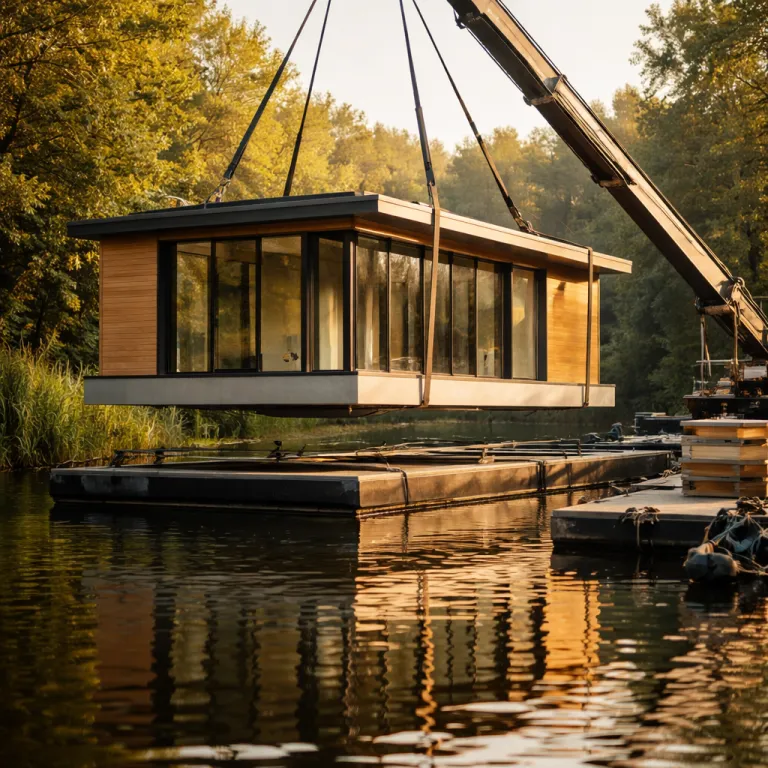
From canal craft to crafted homes on the water
The story of contemporary houseboat architecture has shifted from improvised conversions to meticulously planned floating homes. What once meant a retired barge with a makeshift living area now often means a purpose built floating house where every design element is tuned to light, views and the gentle movement of water. For travelers choosing a luxury houseboat stay, this evolution defines how modern comfort, integrated sustainable systems and a strong sense of place come together on living water.
Nowhere is this shift clearer than in the Netherlands, where a dense waterfront community has turned floating houses into a serious field of residential design. Dutch architects treat each floating home as a compact house on a buoyant platform, balancing marine environment constraints with the expectations of high end homes on land. The result is a new generation of floating residences that feel like refined city apartments, yet sit low on the water, floating quietly beside reed beds and mooring posts.
For guests, this new wave of houseboat design means more generous living space, better acoustics and smarter space saving layouts than the converted barges of the past. Instead of squeezing into narrow corridors, you step into a modern houseboat with a coherent living area, full height glazing and carefully layered materials that soften sound and frame the waterline. The best examples turn every window into a cinematic view, so the architecture, the water and the rhythm of floating living become a single, continuous experience.
Piet Boon x Davy & Ørsted: residential thinking meets the waterline
Studio Piet Boon’s collaboration with Davy & Ørsted marks a decisive moment for houseboat architecture, because a leading residential practice is now applying its full house design philosophy to the water. The Davy & Ørsted houseboats are conceived not as quirky boats but as floating homes, with the same attention to proportion, circulation and materials that you would expect in a high end house on land. As their own description summarises it, “Luxury, sustainable floating homes designed by Piet Boon,” a phrase used in Studio Piet Boon’s project communications for the Davy & Ørsted floating home series in North Holland.
Based in Oostzaan in North Holland, the équipe works from a region where living water is part of daily life and where waterfront architecture has long been a testing ground for innovation. Here, Davy & Ørsted bring specialist knowledge of marine systems, while Piet Boon’s designers refine every living space, from the kitchen worktop heights to the line of sight from bed to horizon. In publicly available project descriptions, the partnership highlights solar energy, electric propulsion and off grid capable systems as core specifications, but without publishing standardised figures for panel capacity, battery storage or propulsion output.
For travelers booking a luxury houseboat through a premium platform, this means the floating house is no longer a compromise between boat and home. Instead, each living houseboat is a modern residence on the water where contemporary design principles guide everything from window placement to the feel of the stair under bare feet. You still sense the boat beneath you and the water floating around the hull, yet the architecture, systems and finishes are described as matching the standards of a carefully detailed city residence, often including underfloor heating, high performance glazing and integrated smart controls in documented projects.
Engineering elegance: how marine conditions shape design elements
Behind the calm interiors of these floating houses lies a demanding set of engineering challenges that directly shape houseboat architecture and layout. A floating hotel style property must handle variable water levels, lateral forces from wind and the constant micro movement of a buoyant structure. Architects and builders respond with robust hull forms, carefully calculated ballast and structural systems that keep the living area level while the boat responds flexibly to the marine environment.
Material choices are equally strategic, because a floating house lives in a zone of constant humidity, salt spray in some regions and intense reflected light from the water. Marine grade metals, high performance coatings and carefully detailed timber elements protect the structure while maintaining the tactile warmth guests expect from luxury homes. In the Piet Boon and Davy & Ørsted projects, recycled aluminium, solar panels and self sufficient water systems are mentioned in studio texts as examples of how sustainable technologies can be integrated without compromising the serene, modern aesthetic described in Studio Piet Boon’s own project overviews.
Inside, the engineering intelligence translates into quiet comfort for travelers who may be new to living on water. Space saving built in furniture stabilises weight distribution, while generous glazing is positioned to frame views without overheating the living space. When you book a design houseboat from this new generation, you feel the gentle floating motion but rarely hear systems working in the background, because the architecture, the technical layout and the choice of materials have been resolved as a single, coherent design, often tested through detailed simulations and prototype builds.
Light, volume and the guest experience on the water
For couples choosing a romantic stay, the most immediate difference in this new wave of houseboat architecture is spatial generosity. Purpose built floating homes often feature higher ceilings than converted boats, with clerestory windows and full height glass that pull daylight deep into the living area. This extra volume transforms the perception of space, so a 65 square metre floating house can feel like a much larger apartment, especially when the waterline sits almost at eye level and reflections bounce light into the interior.
Designers such as Piet Boon use this vertical space to create layered living zones, from intimate sleeping cabins to open plan living space that flows onto a terrace hovering just above the water. The transition from interior to exterior is critical for a luxury houseboat, because it turns the deck into an outdoor room rather than a leftover strip of boat. When you slide open a glass wall and step onto a terrace that feels like a floating island, the boundary between house and water dissolves into a single, continuous living environment.
Thoughtful details complete the experience, whether you are staying in Amsterdam, Copenhagen or a quiet Dutch canal community. A modern, design led kitchen with views across the canal, a bathroom where the mirror reflects both you and the water floating outside, or a bedroom where the headboard aligns with the horizon line all speak to a new level of houseboat design. These design elements are not decorative extras; they are the architectural moves that turn a simple houseboat into a refined, modern houseboat stay that rivals any waterfront suite on land, as illustrated in floor plans and interior photography published by leading studios.
From niche curiosity to a serious category for discerning travelers
As architecture and design media pay closer attention to houseboat architecture, travelers gain a clearer framework for evaluating floating stays. Publications such as Dezeen now regularly feature floating homes and houseboat projects, treating them as a legitimate branch of residential design rather than a novelty. One Dezeen report on Dutch floating neighbourhoods, for example, frames these projects as part of a broader shift toward climate adaptive living on water, while technical platforms like Allplan describe the movement as “living on the water while connected with nature,” underlining how these projects respond to both lifestyle aspirations and environmental challenges documented in case studies and project reports.
This growing recognition has practical benefits for guests booking through a luxury and premium houseboat platform. You can now compare floating hotel style properties and individual living houseboats using criteria familiar from high end homes, such as ceiling height, orientation, materials and energy systems. When a listing explains its solar capacity, electric propulsion and rainwater harvesting, as explored in depth in guides to the eco houseboat revolution, you can read those données as indicators of both comfort and sustainable performance, especially when accompanied by verifiable specifications and dates of installation.
At the same time, the rise of a global houseboat community means you can choose between different expressions of the same architectural idea, from Dutch floating houses to Kerala kettuvallam inspired homes. Some travelers will prioritise a compact, space saving layout in a dense urban waterfront, while others will seek a more expansive floating island feeling in a quieter marine environment. In every case, understanding the underlying architecture, the design elements and the systems that keep the houseboat floating gracefully will help you select a stay where the water, the house and your own rhythm of living align, supported by plans, photographs and descriptions from trusted sources.
FAQ
What are D&Ø houseboats and where are they located?
D&Ø houseboats are luxury, sustainable floating homes created through a collaboration between Studio Piet Boon and the builders Davy & Ørsted. They are designed as modern houseboats with off grid capable systems, including solar power and electric propulsion. The first realised examples described in studio publications are based in the Netherlands, with Studio Piet Boon’s office in Oostzaan serving as a key point of contact for visits and information, as confirmed in Studio Piet Boon’s own project communications.
How does a purpose built houseboat differ from a converted boat?
A purpose built houseboat is designed from the outset as a floating house, so its structure, layout and materials are optimised for living space rather than cargo or navigation. This usually means higher ceilings, better natural light, more efficient space saving storage and integrated sustainable systems such as solar panels and advanced water treatment. Converted boats often retain constraints from their original use, while new floating homes can prioritise comfort, acoustics and views from the first sketch, as seen in recent Dutch and Scandinavian case studies documented in architectural media.
Are modern houseboats suitable for year round living or only for short stays?
Many contemporary examples of houseboat architecture are engineered for full time living, with insulation, heating and ventilation systems comparable to high quality homes on land. For travelers, this translates into floating hotel style stays that remain comfortable in both warm and cold seasons. When assessing a property, look for information about wall build ups, glazing performance and energy systems to understand how well the living area will perform across the year, and check whether the project has been documented by the design studio or local authorities.
How sustainable are luxury houseboats compared with traditional waterfront hotels?
Luxury houseboats from studios such as Piet Boon and builders like Davy & Ørsted often integrate sustainable technologies more deeply than many conventional waterfront hotels. Features such as solar power, electric propulsion, recycled aluminium structures and self sufficient water systems reduce operational impacts while keeping guests comfortable. For travelers focused on sustainability, these design elements can make a floating house an attractive alternative to a land based property, especially when combined with compact footprints and sensitive integration into the marine environment described in technical and architectural publications.
What should I look for when booking a design led houseboat stay?
When choosing a design led houseboat, start by examining the floor plan to understand the relationship between living space, bedrooms and outdoor decks. Check for details about ceiling heights, window orientation, materials and energy systems, because these factors strongly influence comfort and ambiance on the water. Finally, consider the wider houseboat community and waterfront context, since the quality of views, access and local services will shape your overall experience as much as the architecture itself, and look for listings that reference specific design studios, project dates and documented performance.
References
Studio Piet Boon – project descriptions of floating homes and Davy & Ørsted collaborations in North Holland
Dezeen – articles on contemporary floating houses, including reports on Dutch floating neighbourhoods and climate adaptive living on water
Allplan – technical features on living on the water and floating building case studies under the theme “living on the water while connected with nature”