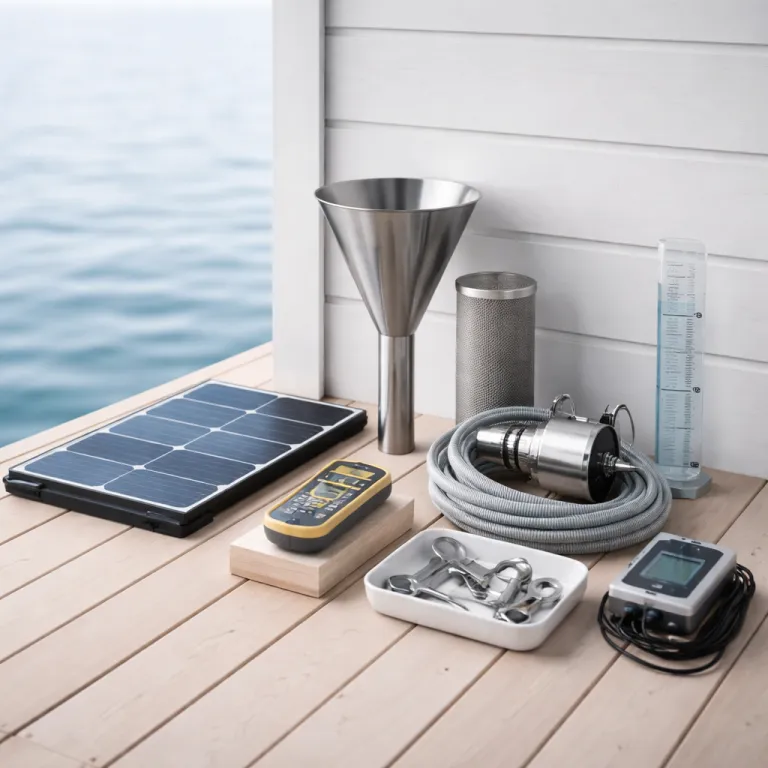
Eco houseboat sustainable stays as self-sufficient micro retreats
Eco houseboat sustainable stays are evolving into self-sufficient micro retreats on the water. The most forward-thinking floating homes now combine quiet electric propulsion, integrated solar power and carefully engineered water conservation systems to create low-impact sanctuaries for refined living. For travelers used to five-star suites on land, the gentle sway of a floating house and the soft hum of an energy-efficient system can feel surprisingly indulgent.
Designers treat each houseboat as a compact floating home, where every square metre must justify its environmental footprint. That means renewable energy integration is no longer a niche feature but the backbone of the experience, with solar panels, battery banks and sometimes wind assistance working together as a single intelligent power system. On many new builds, a modest solar array paired with lithium storage is enough to cover lighting, ventilation and basic appliances on a typical day. When these boats are powered by electric motors and supported by rainwater collection, guests can enjoy eco friendly comfort while keeping their stay genuinely low carbon.
Manufacturers such as Dutch builder +31 Architects’ Naturecruiser and German-made Nautilus Hausboote illustrate this eco tourism shift by building modular, off-grid-friendly houseboats that use sustainable and recyclable materials wherever possible. Their floating homes often rely on sandwich panel insulation, recycled steel and reclaimed timber to reduce both weight and embodied energy. For you as a guest, that translates into a quieter cabin, more stable living on the water and the reassurance that your chosen house boats are designed for sustainable living rather than short-term spectacle.
Inside the technology of sustainable luxury houseboats
The most compelling eco houseboat sustainable properties feel effortless on the surface, yet hide serious technology below deck. A typical high-end houseboat now runs a layered energy system, where solar power feeds lithium batteries, which in turn support electric propulsion, induction cooking and efficient climate control. On many European inland waterways, daily electricity use for lighting, refrigeration and ventilation in a two-cabin floating home can be kept relatively low, while larger luxury vessels may draw significantly more when air conditioning is running. When this energy-efficient setup is paired with smart monitoring, crews can track every watt and litre, adjusting usage before guests even notice a change.
On the St. Johns River in Florida, several small eco lodges and floating cabins use solar power, rainwater harvesting and low-waste operations to reduce their footprint. In practice, this can mean roof-mounted photovoltaic panels sized to match demand, basic wastewater recycling, on-site composting and careful water conservation that together allow a lodge to operate as a near closed-loop system while still delivering a polished guest experience. You paddle back from a dawn wildlife tour, step into a cool, quiet house, and the only hint of the technology is the discreet glint of solar panels above the roofline.
Across the market, similar floating homes are adopting recycled steel hulls, sustainable hull coatings and advanced insulation to reduce energy loss. Bluefield Houseboats in Ireland, for example, have become a reference point for friendly houseboats that balance generous glazing with low-impact heating and cooling strategies. Their published specifications highlight high-performance insulation, triple-glazed windows and optional heat pumps to keep energy demand under control. These boats offer a level of comfort that rivals urban apartments, yet their renewable energy systems and eco friendly materials keep operational emissions and maintenance demands under tight control.
Kerala backwaters to Seattle docks: global styles of eco houseboat sustainable stays
Eco houseboat sustainable travel looks very different in the Kerala backwaters than it does on a Scandinavian fjord or a Seattle marina. In Kerala, traditional kettuvallam style houseboats glide through palm-lined canals, and the best operators now retrofit these boats with solar panels, improved hull materials and cleaner engines to reduce pollution in the fragile backwaters. When you book carefully selected friendly houseboats here, you can drift past village life while supporting conservation practices that protect both water quality and local livelihoods.
Several premium operators in the Kerala backwaters now advertise eco tourism credentials, but the reality varies widely between one houseboat and the next. Look for clear information about solar power capacity, waste management, water conservation and whether the boat uses electric assistance or at least low-sulphur fuel for its main engine. The most convincing houseboats offer transparent data on energy use and show you exactly how their onboard system handles greywater, food waste and plastic reduction. Some will publish daily water-use targets per guest, or specify that all blackwater is pumped to shore-based treatment plants rather than discharged into canals.
On the other side of the world, floating homes in cities such as Seattle or Amsterdam lean into minimalist Scandinavian-inspired design and strong insulation for sustainable living in cooler climates. If you are comparing options, an elegant guide to Seattle houseboats for sale and luxury stays on the water can help you understand how permanent floating homes differ from short-stay house boats in terms of regulations, mooring rights and energy integration. Whether you choose a single houseboat or a cluster of houseboats, the same principles apply; prioritize low carbon operations, robust materials and a genuine respect for the surrounding water.
How to read eco claims and avoid greenwashing on the water
For travelers, the hardest part of booking an eco houseboat sustainable stay is separating marketing language from measurable action. Any houseboat can be described as eco friendly, but only some floating properties back that claim with renewable energy systems, verified conservation practices and transparent reporting. When you see phrases such as friendly houseboats or green boats, ask for specifics about solar capacity, battery storage, fuel type and waste handling.
Credible operators will explain how their houseboats offer low-impact living through a combination of solar power, efficient appliances and water conservation technology. They should be able to show that their boats are powered partly or fully by electric propulsion, and that greywater and blackwater are treated through an onboard system or pumped to shore-based facilities. Look for third-party eco tourism certifications, partnerships with environmental organizations and clear policies on single-use plastics, local sourcing and community engagement. Common labels in this space include Green Key, EarthCheck and national eco labels, which typically require regular audits and data on energy and water performance.
Expert guidance can help you frame the right questions before you book, especially if you are new to life on the water. As one reference explains, "Are houseboats eco-friendly? Yes, when designed with sustainable materials and technologies." The same source notes, "Can houseboats operate off-grid? Yes, with solar panels and water filtration systems." and adds, "What materials are used in eco houseboats? Sustainably sourced timber and recycled materials." These concise answers echo what many naval architects now recommend for low-impact floating homes.
Balancing indulgence and responsibility in next generation floating homes
The most interesting tension in eco houseboat sustainable design lies between indulgence and restraint. Guests often expect hot tubs, powerful air conditioning and hotel-style amenities, yet every extra kilowatt of energy or litre of water used has a direct impact on the surrounding ecosystem. Designers now treat each houseboat as a finely tuned system, where every comfort feature must be balanced by stronger renewable energy integration or more efficient materials.
High-strength concrete or recycled steel hulls can last for many decades, which spreads their embodied energy over a long service life and supports genuinely sustainable living on the water. Industry estimates suggest that well-maintained steel hulls can reach several decades of use, while reinforced concrete pontoons may endure even longer in sheltered waters. When paired with reclaimed timber interiors, low-VOC finishes and smart glazing, these hulls create quiet, thermally stable floating homes that need less heating and cooling. Inside, guests enjoy a calm, refined experience, while outside, low carbon operations and careful water conservation keep the local tourism footprint under control.
Manufacturers such as Nautilus Hausboote and designers like Giancarlo Zema show how modular construction, off-grid energy systems and rainwater collection can turn house boats into resilient micro habitats. Their projects demonstrate that when a houseboat is powered by a well-sized solar array, supported by efficient batteries and built from recyclable materials, luxury does not have to mean excess. For solo explorers and design-conscious travelers, these friendly houseboats offer a rare combination of intimacy, innovation and responsibility that land-based stays still struggle to match.
FAQ
Are eco focused houseboats really better for the environment than hotels ?
Eco focused houseboats can be better for the environment when they use renewable energy, efficient systems and strong conservation practices. A well-designed houseboat with solar panels, electric propulsion and robust wastewater treatment often has a lower operational footprint than a comparable hotel room. The key is whether the operator manages energy, waste and water with the same discipline that went into the original design.
What should I check before booking an eco houseboat sustainable stay ?
Before booking, ask how the houseboat is powered, how wastewater is treated and how water conservation is handled. Request details about solar capacity, battery storage, insulation and any certifications related to eco tourism or sustainable living. You should also confirm local regulations, seasonal water conditions and maintenance standards to ensure both safety and comfort.
Can a luxury houseboat operate completely off grid ?
A luxury houseboat can operate off grid when it combines solar power, efficient batteries, water filtration and sometimes rainwater harvesting. Many new builds are designed as floating homes that can run for days without shore connections, especially in sunny climates. The level of comfort you experience will depend on how well the energy system is sized for air conditioning, hot water and other high-demand amenities.
How long do sustainable houseboats typically last ?
Sustainable houseboats built with high-strength concrete or recycled steel hulls can have lifespans measured in many decades when maintained correctly. Durable materials, quality coatings and regular inspections are essential to protect the structure in both fresh and salt water. Over time, interior materials such as timber or fabrics can be refreshed with recyclable materials to keep the living spaces aligned with evolving eco standards.
Is staying on a houseboat suitable for solo travelers ?
Staying on a houseboat suits solo travelers who value quiet, water-based living and a strong sense of place. Many eco oriented houseboats offer compact yet well-designed cabins, easy access to kayaks or paddleboards and direct contact with local communities. If you enjoy independence and are comfortable with gentle motion on the water, a carefully chosen houseboat can feel more personal and restorative than a conventional hotel room.