Vanishing kashmir houseboat craftsmen heritage on Dal Lake
On Dal Lake in Srinagar, the kashmir houseboat craftsmen heritage is shrinking fast. Where roughly 2,000 houseboats once lined this lake in Jammu and Kashmir, recent reporting from Kashmir Observer counts about 750 operational houseboats, with only 60 to 70 boats still moored along the Jhelum River and many of those already beyond economical repair. For travelers choosing a floating house instead of a city hotel, every booking now intersects directly with the survival of this fragile heritage in the wider Kashmir Valley.
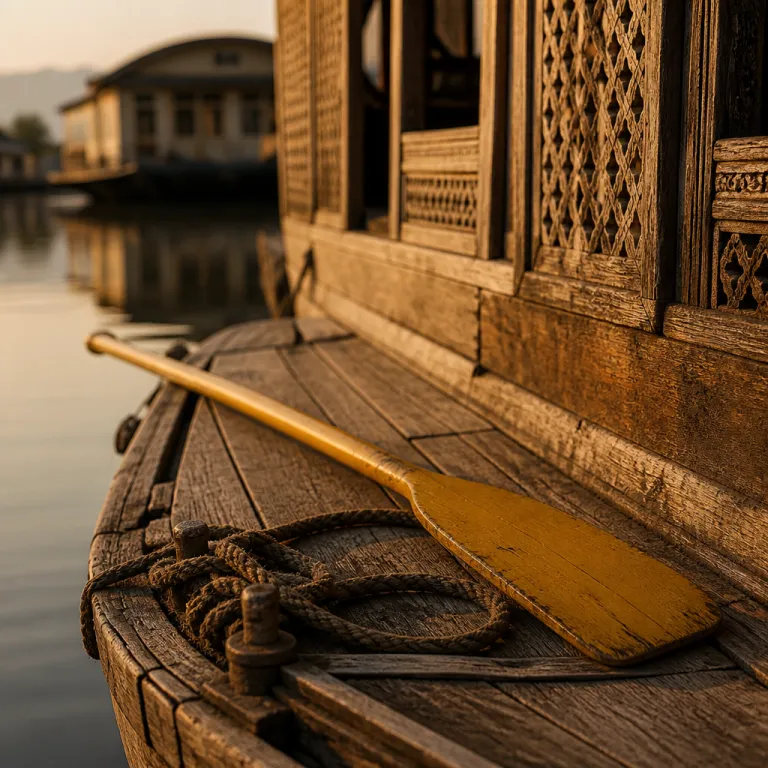
The classic houseboat in Srinagar is a long, low floating house built on a hull of deodar wood, with superstructures framed in seasoned walnut wood and finished with carved wooden panels that turn corridors into galleries of Kashmiri floral motifs. These houseboats on Dal Lake, often reached by a shikara small boat, evolved from doonga small cargo boats and from the boat making traditions that once supplied the British Army and British colonial administrators who were barred from owning land in Jammu Kashmir but could commission a boat kashmir instead. Today, houseboat owners face annual maintenance costs of roughly ₹5 to 8 lakh per vessel, while a new luxury houseboat in lake Kashmir conditions can exceed ₹3 crore, a figure that has effectively frozen new construction.
Government authorities in Jammu and Kashmir banned new doonga style construction decades ago to protect Dal Lake’s water quality, but the policy also halted the pipeline of work that kept boat making skills alive. As a result, the number of craftsmen able to work confidently with deodar wood hulls, walnut wood carving, and traditional joinery has collapsed, leaving only a handful of kashmiri artisans still qualified to repair houseboats Kashmir wide. Local houseboat owners, already hit by winter occupancy that can fall below 15 percent, now struggle to fund even basic repairs on their boats, while younger people often prefer salaried work in a shop or office rather than the uncertain income of water based carpentry.
Inside the craft: carved wooden hulls, papier mâché ceilings and ecological limits
Step aboard a classic houseboat Kashmir vessel on Dal Lake and you enter a layered world of kashmir houseboat craftsmen heritage that begins below the waterline. The hull is usually built from thick planks of deodar wood, a Himalayan cedar chosen for its resistance to rot in cold lake water, then braced with ribs that echo older river boats once used along the Jhelum and across the broader Kashmir Valley. Above this base, craftsmen add a lattice of walnut wood beams and carved wooden brackets, creating the long verandas that frame views of shikara traffic and the distant Pir Panjal peaks.
Inside, ceilings often carry delicate papier mâché panels painted in traditional kashmiri patterns, while walls combine polished wood with niches for samovars, books and family heirlooms that speak quietly of layered culture. The best luxury houseboat interiors on houseboats Dal Lake still rely on hand carved wooden screens, not plastic partitions, and on natural ventilation from the lake water rather than sealed glass façades, a design logic that aligns closely with the eco houseboat practices highlighted in guides to sustainable floating hospitality. Yet the same traditional construction that charms travelers also demands constant care, from annual caulking of every boat plank to repainting of each small boat used as a tender.
Houseboat owners describe an economic paradox that now defines houseboats Kashmir wide, where aging boats require more work just as skilled makers retire. The J&K government’s ban on new doonga style hulls, while understandable from an ecological perspective, has unintentionally removed the steady stream of commissions that once trained apprentices in boat making and in the finer points of kashmir houseboat craftsmen heritage. As one preservation summary aimed at visitors puts it plainly, “Why are Dal Lake's houseboats declining? Aging structures and lack of skilled craftsmen.”
What this means for travelers booking a floating house in kashmir
For solo explorers and design focused travelers, booking a houseboat kashmir stay on Dal Lake is no longer just a romantic choice, it is participation in a living but endangered craft economy. When you select a luxury houseboat rather than a city hotel, you are helping fund the repair and making of deodar wood hulls, the restoration of papier mâché ceilings and the continuation of carved wooden balcony work that defines kashmir houseboat craftsmen heritage for future guests. The same applies when you choose a shikara transfer instead of a road taxi, or when you buy small papier mâché pieces or walnut wood carvings directly from a family shop linked to houseboat owners.
A British Museum funded research team based in Pune has already documented many of the remaining techniques and oral histories from kashmiri craftsmen, capturing how they shape each boat kashmir hull, how they judge the lake water line by eye and how they adapt traditional layouts to modern expectations of privacy and comfort. Their work arrives just as Delhi’s development authority proposes its own houseboat initiative for the capital’s waterways, a striking contrast to the regulatory squeeze that has left only about 750 houseboats still operating on Dal Lake and perhaps 60 to 70 boats on the Jhelum. For travelers who value thoughtful spatial design, the lessons from these vessels echo those explored in guides to small space brilliance on houseboats, where every square metre must work hard without losing a sense of calm.
Looking ahead, the most meaningful way for visitors to support this heritage is to plan longer stays on houseboats Dal Lake, travel in shoulder seasons when occupancy dips and seek out hosts who still employ local craftsmen for ongoing boat making and repair. Those working trips can even blend remote work with time afloat, using resources such as refined work life afloat guides to turn a floating house in lake Kashmir into a temporary office while your booking supports real maintenance budgets. Preservation groups in Jammu Kashmir stress three simple actions for guests who care about kashmir houseboat craftsmen heritage : “Book houseboat stays in advance. Respect local customs. Support local artisans by purchasing crafts.”