From corner office to cabin desk: why remote work houseboat digital nomad living is rising
Step aboard a well designed houseboat and the idea of remote work suddenly feels less like compromise and more like a deliberate nomad lifestyle choice. For remote workers who already live work across borders, the shift from city apartment to floating home aligns with a desire for minimalist living, lower costs, and a closer relationship with water. Luxury and premium houseboat booking platforms now curate stays where you can work remotely in comfort, then close the laptop and watch the light change across the marina in real time.
The rise of the digital nomad has collided with a new generation of boat architecture, where 55 to 70 square metres are optimised for both living working and working remotely. Designers carve out compact offices with reliable internet, acoustic insulation, and just enough separation between work and life to keep full time professionals sane during long stay assignments. For executives extending business travel into leisure, a remote work houseboat digital nomad base offers the privacy of a residence with the service expectations of an upscale hotel, from concierge style marina teams to on demand provisioning.
Globally, surveys suggest that a significant minority of remote workers now operate away from traditional offices, and a small but growing share are experimenting with living on a boat for months at a time. The event type that analysts track as remote work from houseboats is no longer a fringe experiment; it is an ongoing pattern with its own methods, tools, and conditions. When you book through a specialist platform, you tap into an ecosystem of marina operators, local authorities, and maintenance professionals who understand that you are not just sailing for fun, you are working remotely and need the infrastructure to match.
Connectivity on the water: making reliable internet your first non negotiable
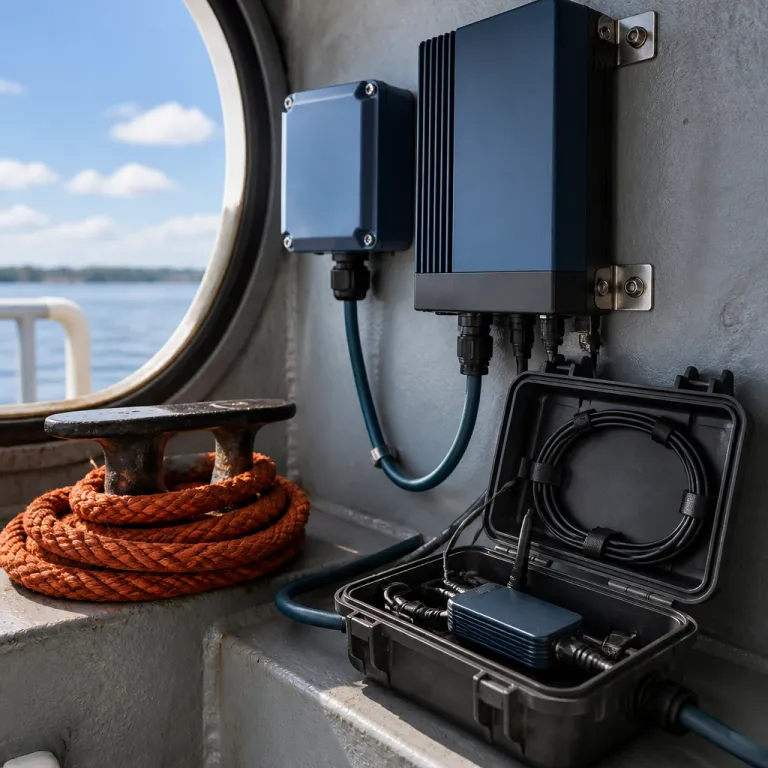
On a remote work houseboat digital nomad stay, connectivity is not a nice to have; it is the backbone of your income. Before you commit to any boat, ask blunt questions about the internet stack, because what works for weekend nomads on holiday will not support a week of back to back online board meetings. The most resilient setups combine marina fibre or high grade Wi Fi with cellular routers, signal boosters, and increasingly satellite internet services such as Starlink Maritime for offshore stretches.
Modern floating homes in Amsterdam, Seattle, and Stockholm often plug directly into shore power and fibre, giving remote workers a connection that rivals city apartments while they live work above the waterline. In more remote archipelagos, owners rely on multi SIM 4G or 5G routers, similar to the Cellweaver multi 4G cellular technology used by Coboat, the sailing digital coworking project that has been running seasons in the Caribbean. When you evaluate listings, look for clear mention of reliable internet, data caps, and backup options, because working remotely means planning for storms, marina congestion, and the occasional dropped call.
Houseboat booking platforms that specialise in remote working now rate properties on upload speeds, router quality, and the stability of marina Wi Fi during peak time. As a practical benchmark, many video conferencing tools recommend at least 10 Mbps download and 3 Mbps upload for stable HD calls, with higher targets if several people work online at once. Ask hosts to run an online speed test at the exact hours you plan to work remotely, especially if your nomad lifestyle involves daily video calls or large file transfers. If you expect to move between countries as digital nomads often do, confirm that your equipment is unlocked, that local SIM cards are easy to obtain, and that your health insurance covers both travel and living on the water while you continue remote work.
Designing a floating office: ergonomics, motion, and the reality of working remotely at sea
The romance of a remote work houseboat digital nomad life can fade quickly if your only desk is a galley table with a swinging lamp and constant glare. Luxury and premium boats now integrate dedicated work zones, with built in desks facing side windows rather than direct water views to reduce eye strain during long working sessions. When you book, study the floor plan carefully and look for at least one chair with proper lumbar support, a power outlet cluster, and enough space for a laptop plus an external screen.
Motion is the other silent factor that separates casual nomads from committed remote workers who spend full time weeks afloat. In sheltered canals or tightly packed marinas, movement is minimal, but in open bays or on sailing routes you will feel every passing wake, which can be distracting during online presentations. If you are sensitive, prioritise wider hulls such as catamaran style houseboats, or moorings deep inside a harbour, and schedule your most demanding work remotely tasks for calmer morning water conditions.
Light management matters as much as layout, because reflections from water can turn a screen into a mirror by midday. Bring a matte screen filter, consider a portable laptop stand, and ask whether blinds or shades fully close in the main working area so you can adapt to changing sun angles over time. Remote working from a boat is perfectly feasible for digital nomads, but it rewards those who treat their cabin like a compact corporate office, not a holiday lounge, and who accept that living working on water requires a few deliberate ergonomic compromises.
Visas, insurance, and logistics: turning a houseboat into a legal, livable base
The most polished remote work houseboat digital nomad experience falls apart if your paperwork is not as solid as your mooring lines. When you live work on a boat in a foreign country, you must align three frameworks at once: immigration rules, maritime regulations, and residential conditions. Many destinations now offer some form of digital nomad visa or remote worker pathway, but the fine print rarely anticipates someone living on water full time, so you need to read carefully.
Digital nomads should confirm whether their nomad visa explicitly allows working remotely for a foreign employer while staying on a vessel registered elsewhere. Some nomad visas require a local bank account, minimum income, or proof of health insurance that covers both travel and extended living working scenarios, including accidents on board. In places like South Korea, where location independent professionals are increasingly welcome, authorities still expect clear documentation of where you stay, so a formal marina contract or long stay houseboat lease can be invaluable.
Insurance is another layer that remote workers often underestimate when they first move onto a boat. Standard travel policies may not cover life on a vessel, while marine insurance might exclude remote work equipment or online business liabilities, so you may need a hybrid solution. As one guidance document on houseboat living puts it without embellishment, “Costs include mooring fees, maintenance, and utilities.”, and you should add to that list the premiums for health insurance, hull coverage, and professional equipment protection if you plan to work remotely for months at a time. In popular urban marinas, long term mooring fees alone can range from a few hundred to several thousand dollars per month depending on boat size, location, and included services, so build realistic figures into your budget.
Choosing your floating base: where remote workers actually thrive on the water
Not every postcard harbour suits a remote work houseboat digital nomad stay, no matter how photogenic the sailing scene looks on social media. For serious working remotely, you want destinations where fibre reaches the docks, marinas understand long stay contracts, and local authorities are familiar with people living working aboard as a semi permanent lifestyle. Amsterdam’s canal houseboats, Seattle’s floating homes, and select marinas in the Stockholm archipelago now sit firmly on the map for digital nomads who prefer water underfoot.
In these hubs, remote workers benefit from shore power, pump out services, and postal address solutions that make life feel surprisingly straightforward. Rural innovation zones are also emerging, where small villages invest in high speed internet and welcome location independent professionals who travel with laptops rather than sails, turning quiet waterways into year round communities of nomads. If you want a taste of more mobile sailing digital life, projects like Coboat offer structured coworking voyages, while curated catamaran style stays such as the Lagoon 40 featured on houseboat stay’s guide to refined houseboat style escapes show how comfortable a compact live work layout can be.
Wherever you choose, assess total costs rather than nightly rates alone, because mooring fees, fuel, and seasonal surcharges vary widely by country and marina. Ask operators about remote working friendly amenities such as quiet hours, package handling, and technical support for visa digital paperwork or online banking, especially if you juggle multiple bank account relationships across borders. For many digital nomads, the sweet spot is a stable, serviced marina base with the option to sail occasionally, rather than a constantly moving boat, which keeps work predictable while still delivering the daily pleasure of life on the water.
Power, privacy, and community: making long term remote working afloat sustainable
Once the novelty of a remote work houseboat digital nomad stay wears off, what remains is the daily rhythm of power management, privacy, and neighbourly etiquette. Luxury and premium boats increasingly combine solar panels, shore power, and efficient batteries so remote workers can run laptops, routers, and lighting without resorting to noisy generators during work time. Ask owners how long the system supports full time working remotely loads, and whether there is a clear rotation plan for generator use that respects both your calls and the marina’s quiet conditions.
Sound travels differently over water, which means your online meetings can feel oddly public if you do not plan ahead. Choose layouts where the main working area sits away from thin bulkheads, and consider noise cancelling headsets to protect both your focus and your neighbours’ peace, especially in tightly packed marinas where nomads share pontoons with retirees and families. Remote workers who thrive afloat tend to treat their boat as both an office and a small apartment, keeping decks tidy, lines secure, and social interactions warm but discreet.
Community is the final, often underestimated, asset of this lifestyle, because long stay marinas naturally gather a mix of digital nomads, live aboard crews, and seasonal sailors. Informal networks quickly form to share tips on reliable internet, local health insurance brokers, or the best cafés for a change of scene when you need to work remotely on land for a day. Over time, this creates a soft infrastructure that no booking engine can code; a human layer of expertise that turns a floating rental into a viable base for location independent life, where you can live work on the water without sacrificing professional standards.
FAQ
Is it legal to live and work remotely on a houseboat full time ?
It is generally legal to live on a houseboat, but regulations vary by location and you must comply with both residential and maritime rules. Immigration status is separate; if you are a digital nomad in a foreign country, you may need a specific nomad visa or remote work permit that allows working remotely for a foreign employer. Always check local authorities’ guidance and confirm that your marina contract, boat registration, and visa conditions align before committing to a long stay.
How do you get reliable internet for remote work on a boat ?
Most remote workers on houseboats combine several options; marina Wi Fi, mobile data routers with local SIM cards, and sometimes satellite services such as Starlink Maritime. The best setups use routers with external antennas and signal boosters to stabilise speeds during peak time, especially in busy harbours. Before booking, ask the owner to run an online speed test at your typical working hours and clarify any data caps or extra costs.
What are the main costs of a remote work houseboat digital nomad stay ?
Beyond the nightly or monthly rental, you should budget for mooring fees, utilities, and periodic maintenance contributions. As one reference on houseboat living states clearly, “What are the costs associated with houseboat living?” and answers, “Costs include mooring fees, maintenance, and utilities.”, which remains accurate for most marinas. Remote workers may also face extra expenses for higher tier internet plans, comprehensive health insurance, and equipment insurance that covers laptops and devices used online for work.
How do postal addresses and banking work when you live on the water ?
Many long stay marinas offer mail handling services, allowing digital nomads to use the marina office as a correspondence address while they live work on board. For banking, you can usually maintain a home country bank account and manage finances online, but some nomad visas require opening a local account for salary deposits or proof of funds. Check the specific conditions of your visa digital or nomad visas and confirm with both your bank and the marina what documentation they can provide.
Is a houseboat suitable for families or couples who both work remotely ?
A well designed houseboat can work for couples or small families if there are at least two semi separate working areas and robust power and internet systems. Larger catamaran style or multi cabin boats offer more privacy, which helps when both adults are remote workers with overlapping calls. The key is to treat the boat as a compact multi room apartment, planning zones for quiet work, shared life, and occasional offline time on deck so the nomad lifestyle remains enjoyable for everyone.