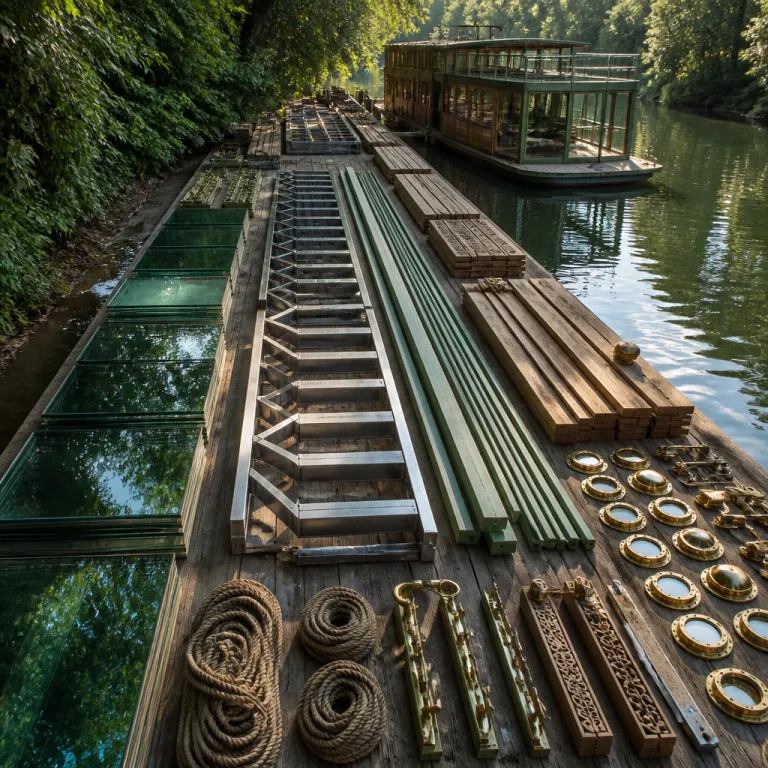
From rice barges to river lofts: why construction now shapes your stay
Step aboard a well crafted houseboat and you feel it before you see it. The way the hull settles into the water, the quiet of the cabin, the subtle sway while you unpack will tell you more about the modern houseboat construction design than any glossy brochure. For travelers choosing between boats on a canal, a backwater, or a lake, understanding how a house boat is built is now as important as choosing a neighborhood on land.
Across the world, modern houseboat builders are rethinking every structure element, from the barge hull below the waterline to the floating terrace above. In Kerala, traditional kettuvallam rice barges still rely on coir rope and timber, yet many now hide steel reinforcement and solar systems beneath their thatched roofs to meet expectations for quiet air conditioning and reliable lighting while cruising. In Amsterdam and along the Thames, steel barges and converted shanty boats are being stripped back to their hull and rebuilt as floating homes with insulated walls, triple glazed windows, and smart heating that make houseboat living feel closer to a lake house than a rustic cabin.
This shift is not cosmetic ; it changes how you sleep, shower, and move on board. A thoughtfully engineered floating houseboat will manage noise from passing boats, dampen motion in choppy water, and keep temperatures stable through sharp coastal evenings. When you browse a luxury houseboat listing, pay attention to the language around construction, hull material, and building materials, because these details quietly dictate whether your stay feels like friendly living on the water or a night in a simple shanty with thin walls and restless creaks.
The material spectrum: from teak planks to glass and steel shells
Material choice sits at the heart of modern houseboat construction design, and it is where heritage and innovation most clearly collide. Traditional builders in South India still shape wooden houseboats with hand hewn planks, while Dutch yards favor steel for its strength and predictable behavior when a barge hull meets busy urban canals. Between these extremes, contemporary floating homes now mix glass, steel, aluminum, and sustainable woods to create boats that feel like modern apartments yet still move with the water.
Industry data shows that aluminum, fiberglass, steel, and wood are commonly used materials, and each one changes the guest experience in distinct ways. Steel barges and converted shanty boats offer reassuring weight and stability, though they demand careful insulation to avoid condensation in cooler climates and to keep houseboat living comfortable through long nights. Lightweight aluminum shells, sometimes combined with plywood aluminum sandwich panels, reduce draft and make a modern houseboat easier to maneuver, while fiberglass hulls can deliver a smooth, quiet ride that suits a luxury houseboat moored on a sheltered lake.
Glass is the new obsession, especially on premium houseboats that want panoramic water floating views without sacrificing privacy or thermal comfort. Builders now integrate floor to ceiling windows into the boat design, using advanced coatings and structure elements to keep cabins cool under strong sun while framing the shoreline like a moving gallery. When you read a listing on a curated platform such as houseboat stay, look for mentions of double glazing, insulated building materials, and smart shading, because these clues signal a boat that has been built for both modern aesthetics and long term friendly living on the water.
Sustainability on the waterline: solar, smart systems, and quiet efficiency
Sustainability has moved from marketing flourish to core brief in modern houseboat construction design, especially for travelers who want low impact luxury on the water. Environmental studies now estimate that a majority of new houseboats use some form of sustainable material or renewable energy, and modern houseboat builders are responding with hull designs and building materials that reduce energy loss and extend the average lifespan of a floating home. For guests, this translates into quieter nights, cleaner air, and systems that simply work without constant generator noise.
Many new floating homes integrate solar panels across the roof or upper deck, pairing them with energy efficient appliances and battery banks sized for real world houseboat living. Use of eco friendly materials, integration of renewable energy sources, and smart home automation are no longer experimental ; they are becoming baseline expectations on a luxury houseboat that markets itself as sustainable. Smart systems now manage lighting, heating, and security, allowing you to adjust cabin temperature from bed while the hull quietly rides the swell, and they also help crews monitor water usage and battery levels to keep the boat running smoothly.
One British yard, Turks Shipyard in Chatham, has become a reference point for this new wave of houseboat construction by blending glass, steel, and sustainable woods with advanced technology. Their projects echo the quiet revolution described in the Float House case study of British houseboat design, where solar power, high performance insulation, and carefully modeled hull forms support year round friendly living on tidal rivers. When you compare listings, ask whether the modern houseboat you are considering uses solar for base loads, what insulation sits behind the walls, and how the design boat handles grey water, because these details reveal whether sustainability is structural or merely decorative.
How hulls, layouts, and structure elements shape the guest experience
The feel of a stay on the water starts with the hull, long before you notice the thread count of the sheets. A wide barge hull trimmed for stability will move differently from a narrow cruising boat, and that motion defines whether you sleep deeply or track every passing wake through the night. On a well balanced floating houseboat, the build of the underwater body, the distribution of weight, and the way the structure elements tie into the deck all work together to keep the house steady while still reminding you that you are on water, not in a static lake house.
Noise is the second invisible frontier of modern houseboat construction design, and it is where material choices become very personal for guests. Steel and aluminum boats can transmit sound if poorly insulated, so premium houseboat building now layers acoustic panels, resilient mounts, and soft finishes to quiet both mechanical systems and harbor life. Wood and composite hulls often feel warmer underfoot and can soften sound, yet they demand meticulous maintenance to keep a luxury houseboat dry, tight, and free from the creaks that make a simple shanty feel charming for one night but tiring over a longer stay.
Interior layouts also reveal how deeply a builder understands houseboat living, especially for solo travelers who treat a tiny house on water as both retreat and workspace. Smart boat design will align beds and seating with the best views, keep heavy services near the center for balance, and use sliding partitions to transform a compact house into a generous entertaining space when friends arrive. For a deeper dive into how architects choreograph these spaces, the profile of Piet Boon in new wave houseboat architecture shows how floating homes can feel both simple and luxurious, with every line of the design boat tuned to the rhythm of the canal outside.
Heritage refits, modern tech, and how to read a listing like a builder
Some of the most characterful stays now sit at the crossroads of old and new, where heritage hulls meet contemporary interiors. Turks Shipyard, operating from the Historic Dockyard in Chatham, Kent, builds bespoke houseboats using glass, steel, and sustainable woods, with smart home systems for lighting, heating, and security, and Turks also renovates vintage vessels into contemporary floating homes, bridging heritage aesthetics with modern livability. This dual expertise in new houseboat construction and sensitive refits shows how a barge that once carried cargo can become a modern houseboat with underfloor heating, solar arrays, and a layout that rivals a city apartment.
For travelers, the tension between preservation and comfort plays out in the details of each listing, especially on platforms that specialize in curated houseboats rather than generic boats. A converted shanty boat with original timber beams and a steel barge hull may offer a powerful sense of history, yet without upgraded insulation and modern building materials it can feel damp or drafty in shoulder seasons. By contrast, a purpose built floating houseboat with a plywood aluminum structure and carefully engineered houseboat plans might lack patina but will often deliver more predictable temperatures, better sound control, and a longer average lifespan, which industry reports now place at several decades for well maintained modern builds.
When you read through descriptions on a site such as houseboat stay, train your eye to pick out the language of houseboat construction rather than only the styling notes. Phrases like houseboat building by named modern houseboat builders, mention of specific building materials, and references to smart systems signal a boat that has been designed for serious houseboat living rather than weekend novelty. Ask hosts direct questions about hull material, insulation, solar capacity, and maintenance history, because the answers will tell you whether the friendly living promised in the photos will hold up once the wind picks up and the tide turns under your floating home.
How to choose your next stay: practical construction cues for travelers
Reading a houseboat listing through the lens of construction turns you from passive guest into informed curator of your own stay. Start with the hull and ask whether the boat is a converted barge, a purpose built floating home, or a lighter cruising boat, because each type behaves differently in wind, current, and busy waterways. If you are sensitive to motion, a broad barge hull or a well ballasted lake house style platform will usually feel calmer than a narrow shanty boat designed for travel.
Next, look for clues about modern houseboat construction design in the way the host describes materials and systems, not just décor. Mentions of insulated walls, double glazing, and solar power suggest that the builder has thought about year round houseboat living rather than only summer weekends, and that focus often correlates with better heating, ventilation, and sound control. If the listing references smart home automation, ask whether you can adjust lighting and temperature independently in different parts of the house, because that level of boat design usually indicates a serious investment in both comfort and efficiency.
Finally, consider how the layout supports the way you actually travel, especially if you treat a tiny house on water as both office and retreat. A simple, open plan design boat may feel generous for a short stay, while a more intricate plan with sliding partitions and built in storage will suit longer trips or shared bookings. The best luxury houseboat stays now sit where thoughtful houseboat construction, sustainable building materials, and quietly integrated technology meet the timeless pleasure of waking to light bouncing off the water floating just beyond your bedroom window.
FAQ
What materials are most common in modern houseboat construction ?
Aluminum, fiberglass, steel, and wood are commonly used materials in modern houseboat construction, and each one shapes stability, maintenance needs, and interior comfort. Steel and aluminum hulls dominate in urban canals and tidal rivers, while fiberglass and wood remain popular for lighter cruising boats and character rich conversions. When choosing a stay, look for clear mention of hull material and insulation, because these details strongly influence noise levels and temperature control on board.
How do modern houseboats incorporate technology for guests ?
They integrate smart home systems and energy efficient technologies to manage lighting, heating, and security with minimal effort from guests. On a well specified luxury houseboat, you can often control temperature zones, dim cabin lights, and monitor entry points from a single interface or app. These systems also help crews optimize energy use, especially when paired with solar panels and efficient appliances, which keeps the experience quieter and more sustainable.
Are modern houseboats environmentally friendly for longer stays ?
Many utilize sustainable materials and renewable energy sources, making them significantly more environmentally friendly than older shanty boats with diesel heavy systems. Builders now combine solar arrays, high performance insulation, and efficient hull forms to reduce fuel consumption and emissions over the lifespan of the boat. When booking, ask about renewable energy capacity, waste water treatment, and the use of eco certified building materials to gauge the real environmental profile of your chosen houseboat.
How long can a well built modern houseboat last ?
Industry reports indicate that a carefully maintained modern houseboat can have an average lifespan of around five decades, especially when built with corrosion resistant metals and well protected timber. Regular hull inspections, timely repainting, and upgrades to systems such as plumbing and electrics are crucial to reaching that figure. For guests, a younger or recently refitted boat often means fewer maintenance disruptions and more reliable comfort systems during a stay.
What should I ask a host before booking a luxury houseboat ?
Focus on construction details as much as amenities, starting with hull type, age, and last survey date. Ask about insulation, heating and cooling systems, solar capacity, and how grey and black water are handled, because these factors affect comfort, noise, and environmental impact. It is also worth confirming mooring conditions, such as exposure to wind and traffic, since even the best built boat will feel different in a sheltered marina than on an open, busy river.