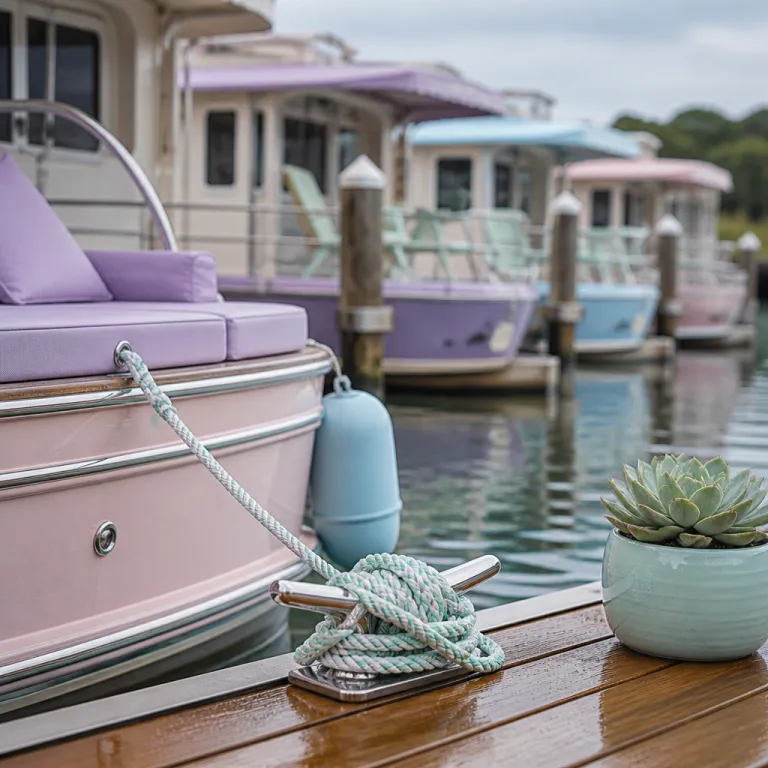
Understanding what marinas are for luxury houseboat travelers
For travelers considering a luxury houseboat instead of a traditional hotel, understanding what marinas are is essential. A marina is a protected dock or basin where a pleasure boat or larger vessel can moor safely, with dedicated services that go far beyond a simple pier. Industry bodies such as the Marina Industries Association (MIA) describe marinas as service hubs that combine berthing, utilities, and shore-based amenities to support recreational boating and waterfront tourism.
Modern marinas are designed as curated environments where boat owners and houseboat guests benefit from secure slips, attentive staff, and tailored support. They typically provide wet slips for boats that remain in the water, alongside dry storage or slips dry facilities for vessels that are lifted out between cruises. According to MIA benchmarking reports, many full-service marinas now offer a mix of berths and hardstand space so they can welcome both short term visitors and long term residents with equal care.
From a traveler’s perspective, the marina is your waterfront equivalent of a high end city hotel lobby. You check in, confirm your permit or permit application if required, and receive information about boating regulations, pump stations, and safety procedures. In the United States, for example, local harbor authorities often require proof of insurance and basic operator competence for self-drive houseboats. Many harbor marinas also coordinate maintenance services, fuel, and provisioning, so your floating suite is ready when you arrive and remains a safe harbor throughout your stay.
How marina operations shape your luxury houseboat experience
Behind every serene houseboat stay lies a complex world of marina operations that most guests never see. Marina operators oversee everything from allocating slips and managing floating docks to coordinating repair services and ensuring that pump stations and power pedestals function reliably. Their work guarantees that boats and houseboats can move in and out smoothly, even in a busy city waterfront or popular coastal park, and that safety standards comply with local maritime regulations.
For premium travelers, the quality of these operations directly affects comfort, privacy, and time on the water. Efficient marina operations mean your vessel is ready when you arrive, your request for a specific view or berth is honored, and your support needs are handled discreetly by trained staff. In many North American marinas, for instance, transient slip fees for larger houseboats can range from roughly $3 to $8 per foot per night, and guests often expect concierge style assistance in return. When a marina offers both wet slips and organized dry storage, it can host a wider range of boats and provide flexible options for boat owners planning long term stays or seasonal visits.
In destinations such as Key Largo, where luxury houseboat rental is increasingly refined, choosing a property that partners with a well run marina is crucial; curated options such as an elegant boat rental in Key Largo for luxury houseboat travelers typically highlight their access to quality slips and marina services. Well known facilities in the Upper Florida Keys often combine deep water access, on site fuel docks, and 24 hour security patrols. These partnerships ensure that amenities for the community of boaters, from Wi Fi to concierge style provisioning, are integrated seamlessly into your stay. As one Key Largo marina manager explains, “Our goal is for guests to step aboard and feel as if their houseboat has been waiting for them, fully prepared, from the moment they arrive at the dock.”
From safe harbor to lifestyle hub : amenities, arts, and entertainment
Once you understand what marinas are in technical terms, it becomes clear that the best ones function as lifestyle hubs rather than simple parking for boats. A thoughtfully planned marina integrates amenities for the community, including showers, lounges, fitness rooms, and curated dining that rival high end city hotels. For luxury houseboat guests, these amenities transform a stay from a simple boating trip into a complete waterfront escape, especially when combined with spa services, yoga decks, or rooftop bars overlooking the harbor.
Many harbor marinas now weave arts and entertainment into their design, hosting live music, galleries, or waterfront festivals that animate the docks after sunset. In cities such as Fort Lauderdale and Hong Kong, seasonal boat shows and night markets turn the marina promenade into a cultural event space. This blend of arts and entertainment with traditional marina services creates a vibrant social scene where boaters, houseboat guests, and local residents mingle. When you moor in such a marina, your floating suite becomes a front row seat to the cultural life of the waterfront.
Couples planning intimate sailing vacations often seek marinas that balance privacy with access to refined experiences, and curated itineraries such as these intimate sailing vacations for couples on luxury houseboats and yachts typically emphasize this duality. In these settings, floating docks provide gentle access to your vessel, while nearby parks, cafés, and galleries extend your living space beyond the deck. The marina becomes both safe harbor and social stage, supporting short term romance getaways and longer retreats with equal grace.
Top destinations where marinas elevate luxury houseboat stays
Some destinations have built their reputation precisely on the strength of their marinas and the way these facilities welcome luxury houseboats. Fort Lauderdale, often called the yachting capital of the world, offers an intricate network of harbor marinas, private marinas, and canal side slips that cater to both superyachts and refined houseboats. Facilities such as Bahia Mar Yachting Center or Las Olas Marina illustrate how professional dockmaster teams, on site marine technicians, and direct beach access can redefine a houseboat holiday. Here, marina operations are highly professional, with experienced staff, extensive services, and a strong focus on both short term visitors and long term boat owners.
In Fort Lauderdale, you will find marinas with deep water access, modern floating docks, and a wide range of wet slips and dry storage options. Many of these marinas sit close to upscale real estate, waterfront parks, and a lively arts and entertainment scene, allowing guests to step from their boat directly into the city’s cultural life. For travelers comparing a hotel stay with a houseboat experience, this combination of urban energy and safe harbor facilities can be particularly persuasive, especially when airport transfers and rideshare access are available within minutes of the dock.
Across the globe, other coastal cities and island destinations are following a similar model, investing in marinas that integrate amenities for the community and sustainable infrastructure. In Europe, for example, Mediterranean cruising hubs have expanded shore power capacity to reduce generator noise and emissions in port. When planning your trip, review marina news from local tourism boards or marina associations to understand which facilities are best suited to luxury houseboat stays. Pay attention to how each marina describes its services, its slips, and its approach to guest support, as these details often signal the overall quality of your future stay.
Practicalities : permits, slips, and what to check before you book
Understanding what marinas are also means grasping the practical steps required before your houseboat holiday begins. In many regions, a permit or formal permit application is necessary for certain types of boating, especially if you plan to operate the vessel yourself or stay for a long term period. In Florida, for instance, local counties may enforce no-discharge rules and require compliance with pump out regulations for liveaboard vessels. Your booking platform or marina operator should guide you through any request for documentation, including insurance, identification, and proof of competence for handling a boat.
When reviewing a listing, examine how the marina allocates slips and whether your houseboat will occupy a standard berth, a premium wet slip, or a dedicated area for larger vessels. Some marinas offer a mix of wet slips and slips dry facilities, allowing boats to be stored out of the water when not in use, which can be important for maintenance and safety. Typical long term slip contracts may be priced monthly by the foot, while short term visitor berths are charged nightly, so confirming the exact rate structure in advance can prevent surprises. Ask whether the marina provides on site services such as fuel, technical support, and pump stations, as these can significantly reduce the time you spend on logistics during your stay.
It is also wise to check how the marina manages access, security, and parking for guests arriving from the city or nearby parks. Clarify whether there is secure parking for your car, controlled gate access to the docks, and 24 hour staff presence to support late arrivals. Before you confirm a booking, create a short checklist that covers permits, slip type, on site services, security arrangements, and transport connections, so you know exactly what to expect when you reach the dock and can focus on enjoying your time on the water.
Sustainability, climate change, and the future of marinas
As climate change reshapes coastlines and weather patterns, the question of what marinas are is expanding beyond comfort and convenience to include resilience and environmental responsibility. Many modern marinas now integrate eco friendly materials, efficient pump stations, and waste management systems that protect local water quality. Programs such as the Clean Marina initiative in North America encourage operators to adopt best practices for fuel handling, recycling, and stormwater control. For luxury houseboat travelers, choosing such a marina means aligning indulgence with responsible tourism.
Engineers and marina operators are rethinking how floating docks, breakwaters, and dry storage facilities can adapt to rising sea levels and more frequent storms. Some harbor marinas are redesigning their real estate footprint, elevating critical infrastructure and creating flexible wet slips that can adjust to changing water heights. In low lying coastal areas, new projects increasingly incorporate living shorelines and resilient landscaping to buffer nearby neighborhoods. These innovations aim to preserve safe harbor conditions for boats and houseboats while safeguarding nearby parks, neighborhoods, and cultural districts.
Industry experts emphasize that marinas support recreational boating activities and that their goals are to enhance boating experiences, ensure boat safety, and provide essential services. For travelers, this means that the marina you choose today is part of a broader shift toward more resilient and community focused waterfronts. When researching destinations, look for marina news that highlights sustainability initiatives, climate adaptation projects, and partnerships with environmental organizations, as these signals often indicate a forward looking approach to both guest comfort and environmental stewardship.
Choosing the right marina for your houseboat stay
Once you appreciate what marinas are in all their dimensions, selecting the right one becomes a central part of planning a luxury houseboat escape. Start by clarifying your priorities : do you want a quiet private marina with minimal traffic, or a lively harbor marina close to arts and entertainment in the city center ? Your answer will guide you toward either intimate marinas with limited slips or larger complexes with extensive services and social life, and will also influence whether you prioritize privacy, nightlife, or family friendly facilities.
Examine how each marina describes its amenities for the community of guests and boaters, including Wi Fi, concierge style service, and on site dining. Some marinas emphasize long term relationships with boat owners, offering loyalty programs, dedicated support staff, and carefully managed dry storage, while others focus on flexible short term stays for travelers. If you plan to combine a houseboat stay with a wider itinerary, consider destinations where marinas connect easily to airports, train stations, and urban parks, and where local transport options make it simple to explore beyond the waterfront.
For travelers drawn to iconic skylines and harbor views, curated experiences such as a refined harbour yacht charter in Hong Kong show how a well located marina can frame the entire journey. In such settings, the interplay between boats, floating docks, and surrounding real estate creates a unique sense of place that no land based hotel can replicate. When you finally step aboard, you will feel that the marina is not just where your trip begins, but an integral part of the story you came to live, shaping your memories of the city and the sea.
Key figures about marinas and luxury houseboat travel
- Industry bodies such as the Marina Industries Association and regional boating federations report thousands of marinas worldwide, giving travelers access to marina based stays in a wide range of coastal and lakeside destinations.
- Typical marinas accommodate dozens to several hundred boats, so larger facilities can host both resident vessels and visiting houseboats during peak travel seasons.
- Many marinas now operate year round in temperate regions, offering both wet slips and dry storage, which allows luxury houseboat travelers to plan off season escapes with reliable access to services.
- Industry observers report growing investment in eco friendly marina designs and smart docking systems, reflecting a shift toward sustainable waterfront tourism that benefits both boat owners and local communities.
Frequently asked questions about marinas and houseboat stays
What services do marinas typically offer to houseboat guests ?
Most marinas provide secure mooring in wet slips, access to electricity and water, and basic facilities such as showers and restrooms. Many also offer maintenance services, fuel, pump stations, and concierge style assistance for provisioning or arranging excursions. Luxury oriented marinas may add lounges, fitness areas, and curated dining to match the expectations of premium travelers, and some now include spa treatments or private car services for houseboat guests.
How do marinas differ from commercial ports ?
Marinas are designed primarily for pleasure boats, yachts, and houseboats, focusing on comfort, safety, and guest services. Commercial ports handle cargo ships and large passenger vessels, prioritizing logistics, freight handling, and industrial infrastructure. For travelers, this means marinas feel more like waterfront resorts, while ports function as working hubs with limited leisure facilities and restricted public access.
Are marinas open all year for houseboat stays ?
Many marinas in temperate or warm climates operate throughout the year, offering both long term berths and short term visitor slips. In colder regions, some marinas close or reduce services during winter, especially where ice affects navigation and safety. Always check seasonal schedules and any planned maintenance periods before confirming your houseboat booking, and ask whether winter liveaboard rules differ from summer policies.
How should I choose a marina for a luxury houseboat holiday ?
Begin by assessing location, including proximity to the city center, parks, and cultural attractions you want to visit. Then evaluate the range of services, from security and technical support to dining and wellness amenities, to ensure they match your expectations. Finally, read recent marina news or guest reviews to confirm that operations, cleanliness, and staff professionalism are consistently praised, and use this feedback to compare several options before you reserve a slip.
Do I need a permit to stay on a houseboat in a marina ?
Regulations vary by country and city, but in many destinations you may need a boating permit or to complete a permit application if you plan to operate the vessel yourself. When you book through a professional platform or directly with a marina, the team should explain any local requirements and help you prepare the necessary documents. If the houseboat remains crewed or stationary, formal permits for guests are often simplified, yet you should always confirm this in advance to avoid last minute complications.
