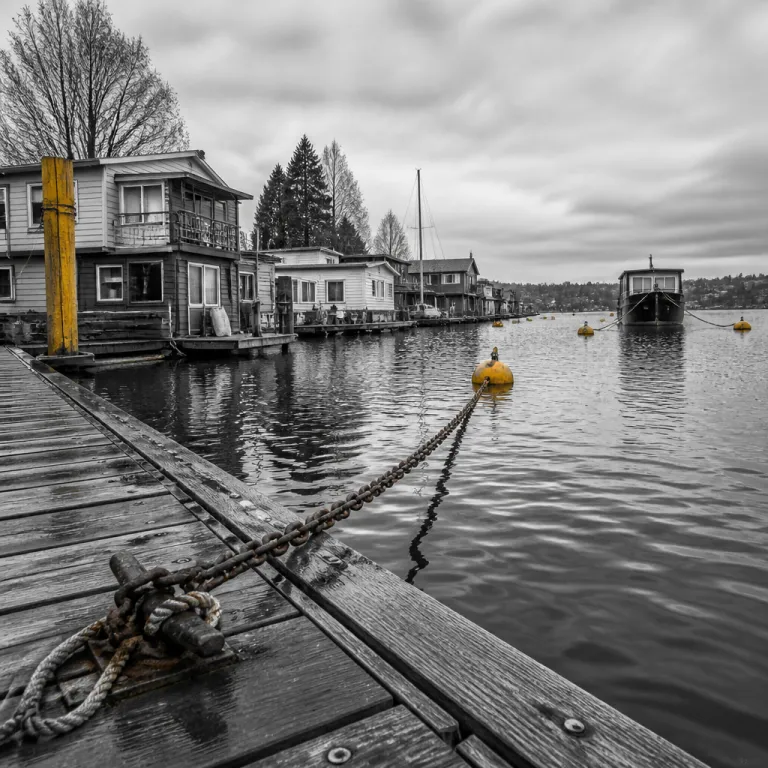
When a houseboat becomes a vessel: the quiet classification that changes everything
Most travelers booking a sleek floating suite rarely ask whether their houseboat is legally treated as a vessel or as a fixed residence. That single classification quietly dictates which houseboat anchoring permit regulations apply, which authority can board the boat, and whether your dreamy night at anchor in a quiet bay might end with a knock from enforcement officers. For premium family travelers, understanding this vessel status before confirming a reservation is as important as checking cabin size or the view over the water.
Across the United States, a houseboat that can navigate under its own power is usually treated as a boat and therefore as one of many vessels subject to federal, state, and local anchoring rules. That means your stay is framed by a web of statute chapter provisions, from U.S. Coast Guard safety requirements to state health department limits on how long term anchoring can continue in a single district or harbor. When a property is permanently fixed to a dock or mooring field and cannot move, local building codes and lien law rules for floating structures may apply instead of classic maritime regulations.
For guests, the practical question is simple but crucial ; who holds the anchoring permit, and under which regime. A responsible vessel owner or owner operator should be able to explain whether the houseboat uses a private anchor moor, a public mooring buoy, or a licensed marina slip, and which state or conservation commission oversees that area. When you board the vessel, you are stepping into a regulatory environment where anchoring mooring rights, insurance coverage, and even wildlife conservation obligations are already defined.
Florida’s long term anchoring permit: why a free form still matters for luxury guests
Florida is where houseboat anchoring permit regulations have become most visible to travelers, because the state Florida authorities now require a free long term anchoring permit for many extended stays. Any vessel anchored in state waters for 14 or more days within any 30 day period, and within one linear nautical mile of a documented anchorage point, must hold this specific anchoring permit issued online by Florida Fish and Wildlife Conservation Commission. For a premium family booking a multi week houseboat itinerary around an island chain or sheltered bay, that quiet administrative detail can decide whether the trip runs smoothly.
The permit is free, but the responsibility is not ; three or more violations within a 24 month day period can lead Florida Fish and Wildlife officers to remove the vessel from the water entirely. That risk sits with the vessel owner and the owner operator, yet guests feel the impact first through sudden relocations, disrupted nights, or even cancelled stays if anchoring permits are not in order. When you evaluate what it really costs to rent a boat for a day or for several nights, factor in whether the operator transparently manages these state Florida obligations, rather than chasing the lowest nightly rate alone ; see for example this guide on true day boat and houseboat rental costs for context.
Ask direct questions before booking about where the boat will anchor, how many hours it typically remains in one harbor, and whether any temporary anchoring permits are required in that district. A serious operator will reference the exact statute chapter that governs their preferred mooring field or marina, and will show how they track term anchoring limits across different parts of the state. In Florida, anchoring mooring rules can also intersect with sensitive wildlife conservation zones, so a well run property will share maps, resources, and clear policies about protected areas.
From U.S. patchwork to European canals: how jurisdictions reshape your stay
Once you look beyond Florida, the regulatory picture for houseboat anchoring permit regulations becomes a true patchwork, especially for families planning multi stop itineraries across the United States or Europe. Within one country, each state can set different anchoring limits, define separate public mooring schemes, and empower distinct agencies to enforce wildlife conservation or water quality rules. Crossing from one district to another in the same bay may quietly shift which conservation commission, harbor authority, or lien law framework applies to your floating property.
In the United Kingdom, the key question again is whether your houseboat is treated as a vessel or as a building, because that choice determines whether navigation authorities or local planning departments control mooring rights. Dutch waterways add another layer, where long term anchor moor rights on city canals are tightly regulated, and where term anchoring outside designated mooring field zones can trigger rapid enforcement to protect both heritage views and fish wildlife habitats. For families dreaming of Southeast Asia’s floating world, from Tonlé Sap to Hạ Long Bay, regulations vary even more, which is why curated itineraries such as those explored in this feature on Southeast Asia’s houseboat style journeys are so valuable.
Wherever you sail, remember that you cannot simply anchor anywhere because, as regulators state clearly, "No, anchoring is subject to federal, state, and local regulations." That same expert guidance continues ; "Penalties can reach up to $10,000 per day for violations." and "Do I need a permit to anchor overnight?" followed by the answer ; "It depends on local regulations; check with local authorities."
Why regulations matter even for one night: risk, insurance, and family comfort
Short stay guests sometimes assume that houseboat anchoring permit regulations only concern liveaboard communities, yet a single night on the water can be affected by a missing permit. If a vessel is anchored in a restricted harbor or outside a designated mooring field, enforcement officers from the U.S. Coast Guard, National Park Service, or state agencies can order the owner operator to move during the night, unsettling children and cutting sleep short. For a premium family that values calm hours and predictable routines, that is not a theoretical risk.
Insurance is another quiet layer ; many policies require that vessels use approved anchor moor systems, respect local term anchoring limits, and avoid sensitive wildlife conservation zones, or coverage may be reduced. If a storm hits while the boat is anchored near private property without proper anchoring permits, disputes can arise over damage, and lien law questions may surface about responsibility for repairs. A reputable property will show that its anchoring mooring practices align with both statute chapter requirements and insurer conditions, protecting guests from unpleasant surprises.
Families should also consider environmental impact, because eco friendly anchoring methods now form part of best practice in many parts of the United States. Operators who invest in low impact anchors, careful mooring lines, and well maintained navigation lights are usually the same teams who stay ahead of evolving state and district rules. When comparing options, look for houseboats that publish clear resources about their anchoring permit status, their use of public mooring or marina slips, and their commitment to wildlife conservation in the waters they call home.
What to verify before you book: a practical checklist for premium families
Before confirming a stay, ask the operator to specify whether the houseboat is registered as a vessel and under which flag or state it operates. Clarify where the boat will usually anchor during your stay, whether in a sheltered bay, a managed marina, or a supervised mooring field with public mooring buoys, and request the exact term anchoring limits that apply in that district. In Florida and other coastal states, you should also ask whether any long term anchoring permit is required for the planned day period and whether the paperwork is already approved.
For itineraries that cross multiple jurisdictions within the United States, request a written outline of how the owner operator manages different anchoring permits and which conservation commission or state agency oversees each segment. A serious vessel owner will reference specific statute chapter numbers, explain how they comply with state Florida or other state rules, and show proof of communication with harbor masters or park authorities where necessary. When your route includes national parks, remember that the National Park Service manages anchoring rules, while state health departments may set separate limits on hours or temporary anchoring near sensitive shorelines.
Finally, ask how the crew will handle unexpected enforcement visits, because officers always retain the right to board the vessel to check compliance. A confident operator will describe their process for presenting permits, moving the boat if an anchor moor location becomes unsuitable, and keeping guests informed during any interaction with fish wildlife officers or harbor patrol. For families planning more adventurous routes, such as refined houseboat alternatives to classic cruises described in this piece on sailing Cuba on a cruise style houseboat journey, that level of preparedness is part of true luxury.
FAQ: houseboat anchoring permits and family stays
Can I anchor my rented houseboat anywhere I like during a trip ?
No, you cannot anchor a rented houseboat anywhere, because anchoring is controlled by a mix of federal, state, and local regulations that vary by harbor, bay, and district. Many waters require designated anchorage areas, specific anchoring permits, or use of public mooring buoys or marina slips. Always ask your operator which rules apply to each planned stop and which authority manages that water.
Who is responsible for getting the anchoring permit, the guest or the operator ?
In almost every premium rental scenario, the vessel owner or professional owner operator is responsible for obtaining any required anchoring permit or long term authorization. Guests should still request written confirmation that all anchoring permits are valid for the full day period of their stay, especially in states like Florida with specific long term rules. If an operator expects you to apply for permits yourself, treat that as a warning sign and ask detailed questions.
What happens if my houseboat is anchored illegally during my stay ?
If a houseboat is anchored illegally, enforcement officers can order the vessel to move immediately, issue fines, or in serious cases arrange removal of the boat from the water. In the United States, federal penalties for serious anchoring violations can reach up to 10,000 USD per day, which usually fall on the operator but can still disrupt your trip. You may face sudden changes to your itinerary, disturbed nights, or even cancellation if the property has ignored houseboat anchoring permit regulations.
Do I need to worry about wildlife conservation rules when booking a family houseboat ?
Yes, wildlife conservation rules directly influence where a houseboat may anchor, how long it can remain, and which eco friendly anchoring methods must be used. Many conservation commission and fish wildlife agencies restrict anchoring near sensitive habitats, bird nesting areas, or seagrass beds, and operators must respect those limits. Choosing a property that clearly explains its conservation practices is the best way to protect both your family’s comfort and the ecosystems you are visiting.
How can I quickly check if an operator takes regulations seriously ?
Serious operators answer detailed questions about vessel registration, anchoring permits, and term anchoring limits without hesitation, and they can name the exact agencies that regulate their preferred waters. They provide copies or summaries of relevant statute chapter provisions, show proof of long term anchoring permit approvals where required, and explain how they handle inspections or requests to board the vessel. If responses are vague or dismissive, consider choosing another property that treats compliance as part of the luxury experience.