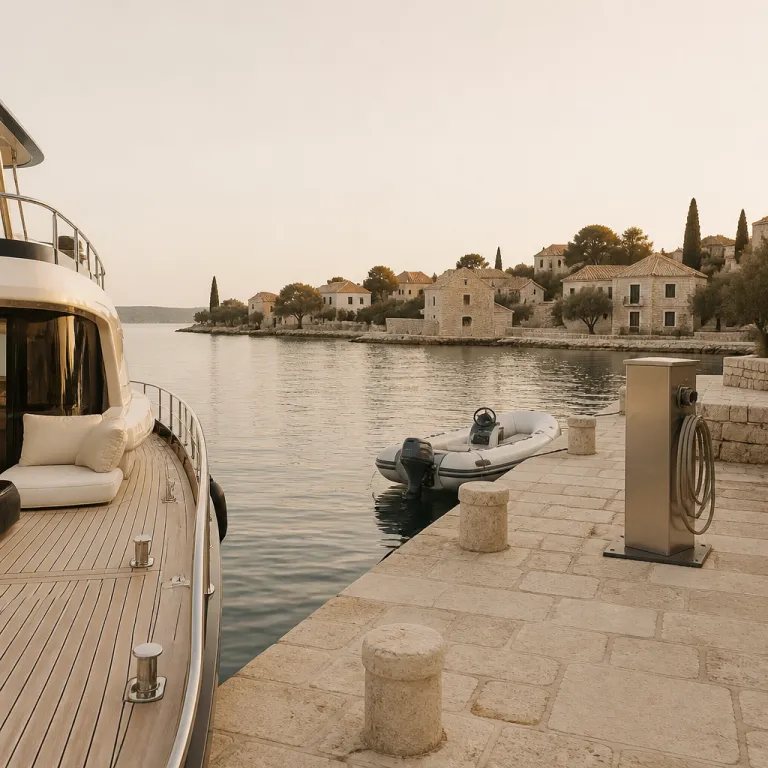
Are there any hidden costs when sailing in Croatia on a luxury houseboat charter ?
When guests ask are there any hidden costs when sailing in Croatia, they usually mean every extra euro beyond the glossy brochure rate. A luxury houseboat or sailing yacht charter along the Dalmatian coast often lists only the base charter price, while several essential services remain in the small print and will affect your final cost. Understanding these layers before you sail in Croatia helps you compare yacht charters, hotel stays, and premium houseboat rentals with real clarity.
Charter companies operating in Croatia typically quote a weekly rate for the boat, yet that figure rarely includes fuel, mooring fees in each marina, or mandatory end cleaning which can significantly increase costs. Data compiled from local charter company price lists (for example, the annual market overviews published by leading Croatian charter associations such as the Croatian Chamber of Economy’s nautical sector reports) indicates an average charter cost per week of around 1 500 EUR for a standard sailing yacht, and luxury houseboats or larger yacht charter options on a sailing holiday can be considerably higher. When you plan a holiday in Croatia that combines island hopping with nights in a five star hotel, you should always calculate both the visible prices Croatia advertises and the less obvious costs that appear once you reach the water.
For travellers used to transparent hotel pricing, the layered structure of a sailing Croatia experience can feel unfamiliar. There is the base charter fee for the yacht or houseboat, then there are operational costs such as fuel, marina berths, and a professional skipper if you do not hold a valid licence. The official guidance from local experts and charter contracts is clear on this point ; “Are there hidden costs when chartering a boat? Yes, additional fees like mooring, fuel, and cleaning may apply.”
How charter pricing really works for luxury houseboats and yachts
On a premium booking website for houseboats, the first figure you see for a Croatia sailing itinerary usually reflects only the bareboat charter or skippered charter fee. That base rate covers the right to use the boat for a set number of days in the sailing season, often from May to September when conditions on the Dalmatian coast are at their best. For guests comparing a hotel stay in Dubrovnik with a week on a houseboat, it is vital to understand how many extras will be added to that apparently simple cost.
Luxury yacht charters and high end houseboat rentals in Croatia often apply separate charges for transit log, final cleaning, outboard engine for the tender, and sometimes bed linen or towels, which hotels would normally include. During high season, especially in July and August, these add ons can be priced at a premium, while in the quieter shoulder season you may negotiate more favourable terms for your sailing holidays. When you read a listing for a sailing yacht or houseboat charter, always check whether the skipper, fuel, and mooring fees in each marina are included or will be billed at the end of each day.
First time guests sometimes assume that a luxury houseboat works like a floating hotel, yet a charter boat operates more like a private villa combined with a small ship. You pay for the vessel, then you pay for the services and consumables you use while you sail from island to island along the Dalmatian coast. If you are new to this style of travel, a detailed briefing such as a first time on a houseboat guide can help you understand how sailing holidays differ from traditional hotel bookings.
Fuel, mooring fees, and marinas along the Dalmatian coast
Fuel is one of the most underestimated elements when people ask are there any hidden costs when sailing in Croatia on a luxury houseboat. A modern houseboat or motor yacht charter will consume more fuel than a classic sailing yacht, especially if you plan ambitious island hopping between Split and Dubrovnik in a single week. The longer the distance you sail each day, the higher your fuel costs will be, so route planning becomes a financial as well as a scenic decision.
Marina charges and mooring fees are the second major category of extra costs, and they vary widely along the Dalmatian coast. Popular marinas near UNESCO heritage cities such as Dubrovnik or Split, and near famous natural attractions like the Blue Cave, often charge more during high season than quieter island harbours in shoulder season. When you compare prices Croatia lists for different marinas, remember that a larger yacht or houseboat usually pays more than a smaller sailing yacht, and that water and electricity on the pier may be billed separately.
Some guests prefer to anchor in sheltered bays rather than enter a marina every night, which can reduce mooring fees but increases reliance on the boat systems and careful planning for water and provisions. Others choose a mix of marinas and anchorages, balancing comfort, cost, and access to local restaurants on each island. For a deeper breakdown of these financial elements, a resource such as an article on the hidden costs of houseboat rentals can be extremely helpful when you design your sailing holiday.
National parks, island hopping, and premium experiences that add up
Many travellers choose a sailing Croatia itinerary specifically to visit national park areas such as Kornati or Mljet, yet they are surprised that park entry is not included in the charter fee. When you sail Croatia through these protected waters, you pay separate tickets for the boat and for each guest, and these amounts vary by season and by the size of the vessel. If you plan several national park visits during your holiday in Croatia, these official charges will become a noticeable part of your overall costs.
Island hopping between the 1 244 islands and islets of Croatia is the highlight of many sailing holidays, but every extra stop can introduce small but cumulative expenses. Water taxis, organised excursions to the Blue Cave, and premium moorings in front of fashionable beach clubs all add to what you spend beyond the base charter. When you design a route between Split and Dubrovnik, decide in advance how many organised activities you want, because a private tour by yacht in a UNESCO heritage harbour will always cost more than a simple swim stop in a quiet bay.
Luxury travellers often request private chefs, onboard spa treatments, or curated wine tastings with local sommeliers, and these services are billed separately from the yacht charter itself. Each day you add a special experience, the cost per person approaches or exceeds that of a five star hotel suite on land. The key is to align your expectations for a sailing holiday with your budget, so that every premium moment on the water feels intentional rather than an unwelcome surprise.
Skippers, crew, and service charges compared with hotel stays
For guests without a valid licence, hiring a professional skipper is non negotiable when arranging a charter in Croatia. Skippers are licensed professionals who navigate the boat, manage safety, and often act as informal guides to local islands, marinas, and restaurants along the Dalmatian coast. Their daily fee is usually quoted separately from the yacht charter price, and you are also responsible for their meals and a private cabin on the sailing yacht or houseboat.
On larger yacht charters or ultra premium houseboats, you may also have a hostess, chef, or deckhand, and each crew member adds to the daily operating costs. While a hotel in Dubrovnik or Split includes housekeeping and reception in the nightly rate, a crewed sailing holiday itemises each role, which can surprise travellers used to all inclusive resorts. When you evaluate prices Croatia offers for different charter packages, always check whether the listed rate includes only the skipper or a full crew, and whether gratuities are expected at the end of the trip.
Service culture on the water mirrors high end hospitality on land, where tipping for excellent service is customary but not always clearly stated in advance. Many guests choose to allocate a percentage of the total charter cost as a gratuity for the skipper and crew, especially after a complex itinerary between Split and Dubrovnik with many island hopping days. Clarifying these expectations before you sail helps you compare the real cost of a week on a luxury houseboat with the cost of a similar stay in a leading hotel.
Planning a transparent, luxury sailing holiday from Split to Dubrovnik
When you plan a holiday in Croatia that combines hotel nights with a week on the water, start by mapping your route between Split and Dubrovnik and estimating daily distances. A shorter itinerary with more time in each island marina will usually mean lower fuel consumption and fewer surprise costs, while still allowing you to enjoy the best local restaurants and beaches. Longer passages every day may feel adventurous, yet they increase both fuel use and the chance that you will need a marina berth rather than a quiet anchorage.
Booking early for the main sailing season from May to September gives you the widest choice of yacht charters, luxury houseboats, and premium marinas along the Dalmatian coast. High season in July and August brings the liveliest atmosphere but also the highest mooring fees and the most pressure on berths in popular UNESCO heritage ports, so many experienced travellers prefer the shoulder season for better value. Whether you choose a sleek sailing yacht, a spacious catamaran, or a designer houseboat, always request a full cost breakdown that lists fuel policy, marina estimates, skipper fees, cleaning, and any national park charges.
For guests who appreciate refined service and clear pricing, a specialised platform that focuses on luxury sea journeys can be invaluable. An in depth case study such as the analysis of how an official yacht website elevates luxury sea journeys on a dedicated luxury sea travel page shows how transparent communication builds trust, and the same principles apply when you book a houseboat in Croatia. When you combine this level of information with your own questions about are there any hidden costs when sailing in Croatia, you can design an itinerary that feels indulgent, honest, and perfectly aligned with your expectations.
Key statistics and figures for sailing in Croatia
- The average charter cost per week for a standard sailing yacht in Croatia is around 1 500 EUR according to aggregated charter company data and annual price surveys from Croatian yacht charter associations and the Croatian Chamber of Economy’s nautical tourism reports, while luxury houseboats and larger yacht charters can be significantly more expensive depending on size and season.
- Croatia has approximately 1 244 islands and islets as reported by the Croatian National Tourist Board and the Hydrographic Institute of the Republic of Croatia, which makes island hopping itineraries uniquely flexible but also increases potential marina and mooring fees across many different locations.
- The main sailing season in Croatia runs from May to September, with July and August considered high season when marina prices, mooring fees, and demand for yacht charters reach their peak compared with the quieter shoulder season months.
- Local guidance from charter companies emphasises that beyond the base charter fee, guests should budget for fuel, mooring, and cleaning, which together can represent 20 to 30 percent of the total cost of a typical sailing holiday depending on itinerary and boat type.
FAQ about hidden costs when sailing in Croatia
What is the best time to sail in Croatia to balance cost and comfort ?
The most comfortable period for sailing in Croatia is from May to September, when winds and temperatures are generally favourable for both sailing yachts and houseboats. If you want to reduce costs, consider the shoulder season months at the start or end of this window, when marina fees and charter prices are usually lower than in July and August. High season offers the liveliest atmosphere but also the highest demand and the least flexibility on last minute discounts.
Do I need a licence to sail a charter boat in Croatia ?
For a bareboat charter in Croatia, you must hold a valid sailing licence recognised by the Croatian authorities, as well as a VHF radio certificate in many cases. The official guidance is explicit ; “Do I need a license to sail in Croatia? Yes, a valid sailing license is required for bareboat charters.” If you do not have this documentation, you will need to hire a professional skipper, whose daily fee and onboard accommodation should be included in your budget.
Are there any hidden costs when sailing in Croatia beyond the charter fee ?
Yes, there are several common extras that are not included in the base charter price for a sailing yacht, motor yacht, or luxury houseboat. These typically include fuel, marina and mooring fees, end cleaning, and sometimes items such as outboard engines, towels, or Wi Fi, depending on the charter company. As the expert dataset and charter association guidelines state ; “Are there hidden costs when chartering a boat? Yes, additional fees like mooring, fuel, and cleaning may apply.”
How much should I budget for marinas and mooring fees along the Dalmatian coast ?
The amount you spend on marinas and mooring fees in Croatia depends on boat size, season, and itinerary, but many travellers allocate several hundred euros per week for a mid sized sailing yacht. High season in July and August brings the highest tariffs in popular destinations such as Dubrovnik, Split, and nearby islands, while shoulder season offers more moderate rates. Anchoring in bays on some nights can reduce these costs, although you then rely more heavily on the boat systems for water and electricity.
What extra costs should I expect when visiting national parks by boat ?
When you enter Croatian national parks such as Kornati or Mljet by boat, you pay separate entry tickets for the vessel and for each person on board. These fees vary by park, by boat length, and by season, with discounts sometimes available for advance purchase or multi day tickets. Because these charges are not part of the charter fee, you should include them in your planning if national park visits are a highlight of your sailing holiday.
