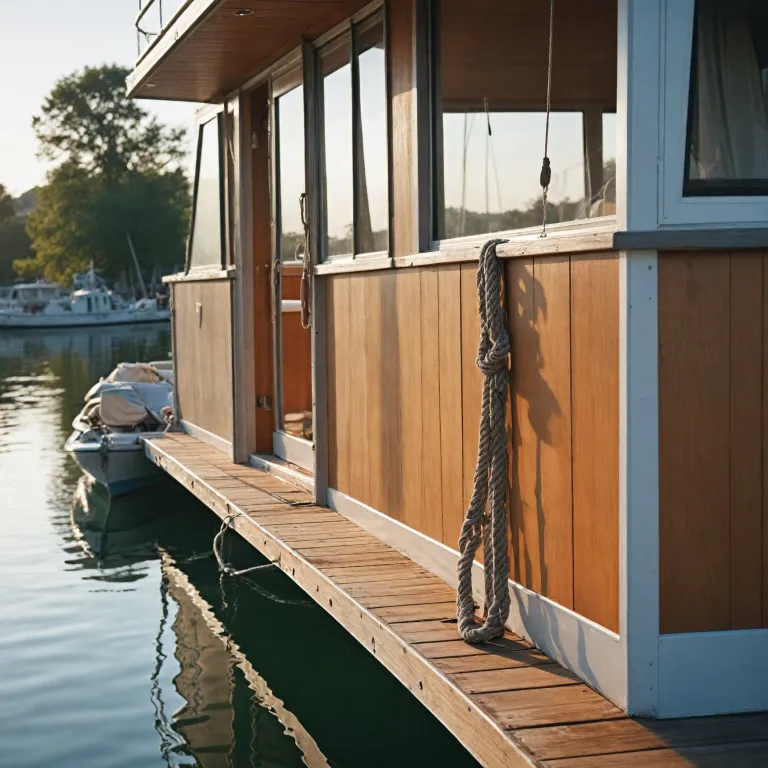
Understanding how to moor a ship for luxury houseboat stays
Choosing a luxury houseboat instead of a traditional hotel invites you into the practical art of how to moor a ship safely. When you book a premium floating suite, you are also booking a relationship with mooring, anchoring, and the quiet choreography between boat, water, wind current, and shore. A refined stay depends on how the vessel is held in place, how the bow faces the elements, and how every line and chain works together.
In this context, the ship's crew and port authorities become silent guardians of comfort, ensuring each vessel is secure at the pier or at a mooring buoy. Mooring operations occur whenever a vessel arrives at or departs from a docking facility, and this continuous timeline matters for guests who expect seamless boarding, tranquil nights, and safe excursions. Mooring a ship secures it in place to prevent movement, ensuring safety during loading, unloading, and while docked.
On a luxury booking platform, you will often see references to boat mooring standards, mooring systems, and professional docking boat procedures. These terms indicate that the operator understands how to moor a ship with appropriate mooring equipment, from mooring lines and chain to anchor rode and automated winches. The heaviest cargo ships may require more than a dozen mooring lines, and while houseboats are smaller, the same principles of holding power, secure bow positioning, and reliable anchors apply.
For guests, this technical expertise translates into confidence that every moor boat operation, every anchoring boat maneuver, and every adjustment of mooring lines is handled by qualified professionals. When a vessel transitions between moorings, the crew assesses wind current, water depth, and the condition of each mooring anchor to keep the boat fixed and stable. This is how a premium houseboat stay turns complex boating practice into effortless luxury.
Key elements of safe mooring for premium houseboat bookings
When evaluating a luxury houseboat platform, look for clear explanations of how they moor a ship at each destination. A serious operator will describe the combination of dock infrastructure, mooring equipment, and anchoring procedures that keep every vessel secure in changing water conditions. This includes how they use mooring lines, chain, and anchors at the pier, and how they manage mooring buoy arrangements on lakes and sheltered bays.
High quality listings often specify whether the boat dock is private, shared, or managed by port authorities, because this affects both privacy and safety. You should expect details about the pier layout, the number of moorings available, and how docking boat operations are supervised during check in and check out. Some destinations, such as refined lakeside escapes, highlight their dedicated houseboat rentals for a refined lakeside escape, where mooring boat procedures are adapted to calm inland water and variable wind current.
Pay attention to how the platform explains boat mooring in both singular and plural contexts, because this reveals operational depth. A professional team will reference multiple mooring systems, from fixed mooring anchor points on the dock to flexible mooring buoy fields for overnight stays away from shore. They will also describe how they secure bow and stern with balanced mooring lines, how they calculate holding power for each anchor, and how they adjust anchor rode length according to depth.
For guests, the benefit is straightforward yet significant. Proper mooring anchoring practices reduce motion at the pier, limit noise from lines and chain, and protect the vessel from contact with the dock during wind shifts. This attention to securing boat procedures is what allows you to sleep soundly, knowing that every moor boat decision has been made with both safety and comfort in mind.
From anchor to pier: how mooring systems shape the guest experience
The way operators moor a ship directly influences how luxurious your stay feels from the first step aboard. When a vessel is held by well maintained moorings at a quiet pier, boarding becomes a graceful transition rather than a clumsy leap over moving water. Stable docking means luggage handling is easier, elderly guests feel safer, and every arrival or departure feels composed.
Behind this elegance lies a network of mooring systems that combine anchors, chain, mooring lines, and shore fixtures such as bollards and cleats. Operators choose between anchoring boat procedures offshore, using a mooring buoy and long anchor rode, or bringing the vessel alongside a boat dock with multiple mooring lines to keep the boat fixed. Using mooring lines to tie the vessel to shore fixtures like bollards or cleats, and deploying anchors to hold the vessel in place away from the dock.
On premium platforms, you will often see references to automated mooring docking technology, which reduces manual handling and enhances safety. These systems help the ship's crew secure bow and stern quickly, maintain even tension on each mooring line, and respond efficiently to changes in wind current or water level. Adoption of automated mooring systems and the use of high performance synthetic mooring lines for enhanced durability are becoming more common in upscale boating environments.
For guests, the technical language of mooring anchor selection, holding power calculations, and anchoring mooring patterns translates into a calmer onboard atmosphere. Reduced movement at the pier means glasses stay steady on tables, spa treatments feel more relaxing, and overnight rest is less disturbed by sudden shifts. In short, the quality of boat mooring and the care taken when crews moor boat or adjust mooring equipment quietly shape every moment of your stay.
Evaluating safety standards when you book a luxury houseboat
Safety should be a central criterion whenever you choose a platform that helps you moor a ship for an overnight stay. A trustworthy luxury houseboat website will present transparent information about mooring boat procedures, crew training, and collaboration with port authorities. This includes how often mooring equipment is inspected, how mooring lines and chain are replaced, and how anchors are chosen for local seabed or lakebed conditions.
Look for listings that specify the materials used for mooring lines, such as nylon, polyester, or steel wire, because these influence elasticity and holding power. Mooring lines can be made from materials such as sisal, hemp, steel wire, polyethylene, polypropylene, polyester, nylon, and chain. When a platform explains why certain mooring systems are used at a particular pier or boat dock, it shows a deeper understanding of boating safety and the realities of wind current and water movement.
Another sign of professionalism is clear guidance on how guests should behave during docking boat operations. Responsible operators will ask you to remain inside until the ship's crew has fully secured bow and stern, checked all moorings, and confirmed that the vessel is boat fixed against the pier. They may also explain emergency procedures related to anchoring boat failures, mooring anchor issues, or unexpected changes in water level.
Reputable platforms often highlight partnerships with tugboat operators and dock workers, especially in busy ports where precise mooring docking maneuvers are required. This collaboration ensures that every moor boat operation, from approaching the pier to adjusting anchor rode length, is supervised by experienced professionals. For guests, this level of detail builds trust and reassures you that the art of securing boat operations has been mastered long before you arrive.
How a refined booking platform supports seamless mooring operations
A sophisticated booking website does more than list cabins and amenities ; it quietly orchestrates how experts will moor a ship for your stay. Behind each premium listing, there is coordination between the platform, the ship's crew, and port authorities to align arrival times with available moorings and pier space. This planning ensures that docking boat procedures feel effortless to guests, even when the underlying boating logistics are complex.
On a well designed platform, you will find detailed descriptions of boat mooring arrangements at each location, including whether the vessel uses a mooring buoy field, a private boat dock, or a shared pier. Some sites go further by explaining how they manage mooring anchoring combinations, such as using both a mooring anchor and shore lines to keep the boat fixed in variable wind current. For a deeper look at how a curated platform can elevate this experience, consider reading about an experience of refined travel with a luxury pilot house boat booking platform.
Advanced platforms may also highlight innovation, such as automated mooring docking systems that reduce manual line handling and improve response time during sudden gusts. These technologies help crews maintain optimal tension on mooring lines, protect anchors and chain from shock loads, and preserve the integrity of mooring equipment over time. For guests, this means fewer disturbances during the night and a more stable environment for dining, working, or relaxing on board.
Finally, a refined platform will provide clear pre arrival information about boarding points, pier access, and any guest responsibilities during securing boat procedures. By explaining how the crew will moor boat on arrival, how anchoring boat operations are managed during excursions, and how moorings are monitored, the platform reinforces its commitment to safety. This transparency embodies the principles of credibility, expertise, authority, and trustworthiness that discerning travelers expect from a luxury houseboat experience.
Practical tips for guests staying on moored luxury houseboats
Even when professionals moor a ship for you, understanding the basics of mooring can enhance your stay. When you step aboard, take a moment to observe how the bow is oriented, how many mooring lines run to the pier, and whether a mooring buoy or anchor is also in use. This simple awareness helps you appreciate the balance between boat, water, wind current, and the mooring systems that keep everything stable.
If you are sensitive to motion, request a cabin closer to the center of the vessel, where movement from moorings and anchoring is usually less noticeable. Ask the crew how the boat mooring is configured, whether the vessel is boat fixed with multiple mooring lines at the boat dock, or whether an anchor rode and mooring anchor are sharing the load. Their explanation of securing boat procedures, holding power calculations, and the role of chain in anchoring boat operations will likely reassure you.
During your stay, avoid stepping on mooring lines, chain, or any exposed mooring equipment when moving along the pier or deck. Respect crew instructions during docking boat maneuvers, especially when they adjust moor boat positions, tighten mooring lines, or transfer from pier to mooring buoy. These moments are when the ship's crew focuses intensely on mooring anchoring tasks, and your cooperation supports both safety and efficiency.
Finally, consider asking the crew to explain how they moorings are checked overnight, how often anchors are inspected, and what procedures are in place if wind current changes significantly. Their answers will highlight the professionalism behind each moor a ship decision and deepen your appreciation for the expertise that underpins luxury houseboat travel. Understanding these details turns a simple overnight stay into an informed, confident, and truly premium experience on the water.
Key statistics about mooring practices for houseboats
- Common mooring line materials used in maritime operations encompass 7 main types, including natural fibers, synthetic fibers, steel wire, and chain.
- Large commercial vessels may rely on approximately 12 mooring lines or more to remain safely secured at a busy pier.
Frequently asked questions about how to moor a ship for luxury houseboat stays
What is the purpose of mooring a ship during a houseboat stay ?
Mooring a ship secures it in place to prevent movement, ensuring safety during loading, unloading, and while docked. For houseboat guests, this means stable access to the pier, reduced motion on board, and protection of both the vessel and surrounding infrastructure. Effective mooring also supports comfortable overnight stays, calm dining experiences, and safe use of outdoor decks.
What materials are mooring lines made from on premium houseboats ?
Mooring lines can be made from materials such as sisal, hemp, steel wire, polyethylene, polypropylene, polyester, nylon, and chain. Luxury operators often favor high performance synthetic fibers like polyester and nylon for their strength, durability, and controlled elasticity. These materials help maintain consistent tension, protect anchors and fittings, and contribute to a smoother, quieter experience on board.
How many mooring lines are typically used to secure a vessel ?
The heaviest cargo ships may require more than a dozen mooring lines. Houseboats usually need fewer, but the exact number depends on vessel size, pier configuration, and local wind current conditions. What matters most is that lines are arranged to control movement in every direction, keeping the vessel reliably fixed alongside the dock or at a mooring buoy.
