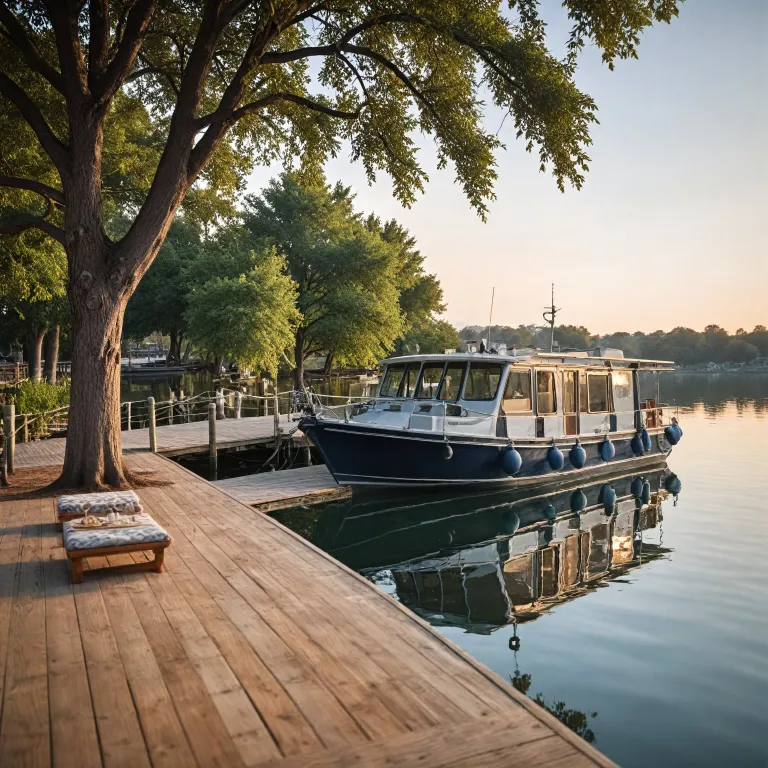
Understanding what mooring a boat means for a luxury houseboat stay
For guests booking a premium houseboat, understanding what mooring a boat means is essential to feeling safe and relaxed on the water. Mooring is the process that keeps a boat fixed in place, despite wind current, tide, and passing traffic. When a captain or crew moor boat correctly, your floating suite feels as steady as a room on land.
In simple terms, to moor is to secure the vessel to a fixed point using mooring lines, a boat anchor, or a mooring buoy. This fixed point might be a boat dock in a marina, a private pier beside a luxury villa, or specialist moorings in open water reserved for houseboats. The choice of mooring systems and mooring equipment directly affects comfort, privacy, and safety during your stay.
On a high end booking platform, you will often see references to boat mooring and docking arrangements in the property description. These details explain whether the houseboat uses a dock with shore power, a mooring buoy in a quiet bay, or an anchoring mooring set up with a heavy anchor and chain. Understanding what difference each option makes helps you choose the right ambience, whether you prefer lively marinas or peaceful open water retreats.
Behind the scenes, boat operators and marina staff manage the technical side of mooring anchoring and securing boat procedures. They assess wind current, water depth, and holding power of the seabed before deciding where and how to moor boat safely. As a guest, you simply enjoy the stability that good mooring lines, reliable anchors, and well maintained mooring buoys provide throughout your stay.
Key elements of mooring equipment that keep a houseboat stable
When you browse a luxury houseboat listing, you may notice references to specific mooring equipment and safety features. These details matter because the quality of mooring lines, anchors, and fittings determines how stable the boat feels under changing wind current. A well specified anchoring mooring arrangement is as important to comfort as high thread count sheets or premium bathroom amenities.
The core elements of any boat mooring system are the anchor, chain, and rode, which together provide holding power on the seabed. The anchor boat component digs into sand, mud, or gravel, while the chain and rope rode absorb movement from waves and wind. On a houseboat, this anchoring mooring set up is often combined with mooring lines that run from the bow and stern to a dock or buoy.
At the bow, crew will usually attach strong mooring lines to cleats or bollards on the dock, or to a mooring buoy. These lines keep the secure bow pointing into the prevailing wind current, which reduces rolling and makes the boat feel more stable. Additional lines from the stern and midship points fine tune the position, preventing the boat fixed in place from swinging excessively.
Modern premium marinas increasingly invest in advanced mooring systems that support larger, heavier houseboats. Some locations use multiple mooring buoys connected by underwater chain to distribute loads and improve holding power in open water. For guests, the benefit is simple ; you sleep better, move around more confidently, and feel reassured that the securing boat process has been handled by professionals using robust mooring equipment.
What difference mooring and docking make to your onboard experience
Many travelers ask what difference there is between mooring boat arrangements and docking options when choosing a houseboat stay. The distinction matters because it shapes everything from noise levels and privacy to how easily you step on and off the boat. In hospitality terms, mooring and docking are as influential as location and view in a traditional hotel.
Docking refers specifically to securing a boat to a dock or pier, usually in a marina or along a waterfront promenade. In this scenario, mooring lines run from the bow and stern to cleats on the boat dock, and fenders protect the hull from contact. Guests benefit from easy access to shore, stable gangways, and nearby services such as restaurants, spas, and concierge desks.
Mooring, by contrast, is a broader term that includes anchoring mooring arrangements away from the dock, often using a mooring buoy or anchor boat system. A houseboat might be moored in open water on a private mooring buoy, with a tender used to shuttle guests ashore. This style of boat mooring offers more seclusion and panoramic views, but it requires careful planning of transfers and safety procedures.
Expert guidance often clarifies the terminology for guests who are new to boating. As one reference explains, “What is the difference between mooring and docking? Mooring refers to securing a boat to a fixed point, such as a buoy or anchor, while docking specifically involves securing a boat to a dock or pier.” When you understand what mooring a boat involves compared with docking, you can better match your expectations to the type of stay you book.
How professional crews moor boat safely in changing wind and current
On a luxury houseboat, professional crews handle the technical aspects of mooring boat procedures so guests can relax. Before they moor boat at a marina or in open water, they assess wind current, tide, and traffic patterns around the site. This evaluation helps them choose the right combination of anchor, chain, rode, and mooring lines to achieve reliable holding power.
When approaching a boat dock, the crew prepares mooring lines at the bow, stern, and midship, assigning roles and timing. As the boat comes alongside, lines are passed to dock staff, who secure them to cleats or bollards in a specific sequence. This coordinated docking process keeps the boat fixed gently against the fenders, minimizing jolts that guests might feel on board.
In open water, the procedure for anchoring mooring is different but equally methodical and safety focused. The crew selects an anchoring spot with suitable depth, good seabed for the boat anchor, and enough swinging room for the hull. They then lower the anchor and chain rode gradually, paying out sufficient length to ensure strong holding power even if wind current shifts overnight.
Once the anchor boat system is set, additional mooring lines may be run to a mooring buoy or secondary anchors for redundancy. The secure bow is oriented into the prevailing conditions, and all mooring equipment is checked for chafe, tension, and alignment. For guests, understanding what is mooring a boat in this professional context reinforces confidence that every securing boat step has been carefully planned and executed.
Mooring systems, technology, and eco friendly practices in premium marinas
As luxury houseboat tourism grows, marinas and destinations are investing in more sophisticated mooring systems to enhance safety and sustainability. Traditional moorings relied heavily on heavy chain and large anchors on the seabed, which could damage sensitive marine habitats over time. Newer mooring equipment aims to provide the same holding power while reducing impact on seagrass beds and coastal ecosystems.
Eco friendly mooring buoys often use elastic rode systems that keep the chain off the seabed, protecting marine life beneath. These mooring buoys still allow crews to moor boat securely, but they limit scouring and abrasion caused by conventional chain moorings. For guests booking high end houseboats, such systems align with expectations of responsible travel and environmental stewardship on the water.
Technology is also reshaping how operators manage boat mooring and docking logistics in busy destinations. Smart sensors can monitor tension on mooring lines, anchor loads, and wind current in real time, alerting crews if securing boat conditions change. Some automated mooring systems even assist with positioning at the boat dock, reducing manual handling and improving safety for staff and guests.
When researching where to stay, travelers can look for platforms that highlight these innovations and explain what is mooring a boat in clear, guest friendly language. For example, a detailed guide to yacht rock themed stays and premium ticket experiences at specialist houseboat experiences may also describe how mooring systems support comfort and privacy. Understanding what difference advanced mooring anchoring solutions make helps you choose stays that balance luxury, safety, and environmental care.
What guests should check about mooring when booking a luxury houseboat
When planning a premium houseboat holiday, it is worth asking what mooring a boat arrangements are in place before confirming. Start by reviewing whether the vessel spends most of its time at a boat dock, on a private mooring buoy, or at anchor in open water. Each option influences how you board, how much movement you feel, and how easily you can access shore based experiences.
Property descriptions should clearly explain the type of mooring systems used, including the number of anchors, the quality of mooring lines, and any backup moorings. You can also ask about the age and maintenance schedule of key mooring equipment such as the boat anchor, chain, and rode. Responsible operators will welcome these questions, as they demonstrate that guests understand the importance of securing boat procedures.
It is also helpful to ask what difference seasonal wind current and tide make to the stability of the moored vessel. In some regions, houseboats remain boat fixed to sheltered docks during the windiest months, while in calmer seasons they may use more exposed mooring buoys. Clarifying how crews adjust anchoring mooring strategies over time ensures that your stay remains comfortable in varying conditions.
Finally, consider your own preferences for privacy, movement, and access when evaluating boat mooring options. Guests who value absolute stillness may prefer a wide, stable dock with multiple mooring lines and a very secure bow. Those who enjoy gentle motion and panoramic views might choose a carefully managed open water mooring, trusting in professional crews and robust mooring anchoring systems to keep the boat safe.
Key statistics about mooring in modern marinas
- Average number of boats moored in U.S. marinas annually : 1 200 000 boats.
Questions guests often ask about mooring a boat
What is the difference between mooring and docking ?
What is the difference between mooring and docking? Mooring refers to securing a boat to a fixed point, such as a buoy or anchor, while docking specifically involves securing a boat to a dock or pier.
Can mooring lines be made of different materials ?
Yes, mooring lines can be made from various materials, including nylon, polyester, and polypropylene, each offering different strengths and elasticity.
Is it necessary to use fenders when mooring ?
Yes, fenders are used to protect the boat's hull from contact damage when moored alongside a dock or another vessel.
