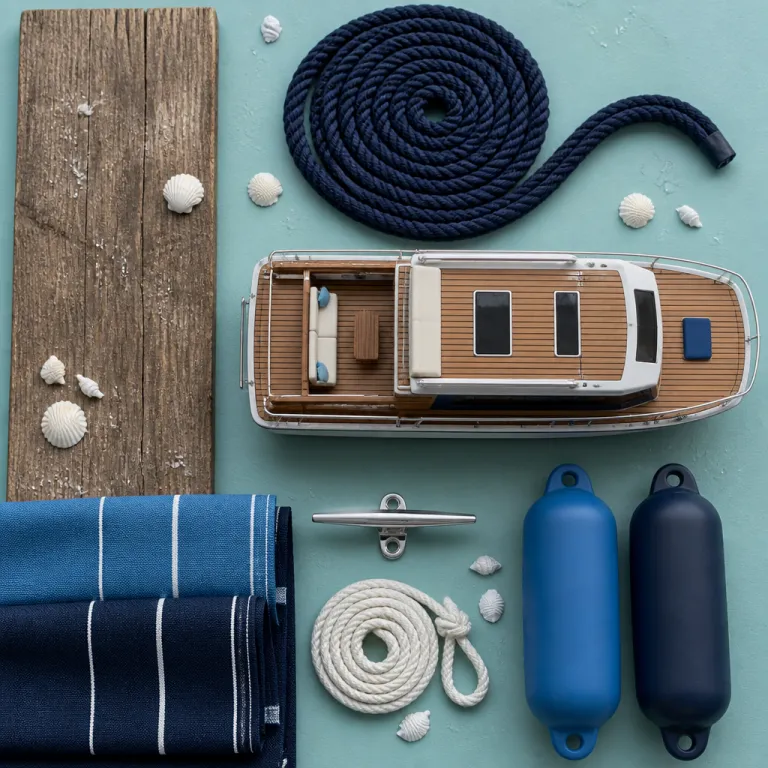
Why luxury houseboats are redefining boating on Lake Michigan
Boating on Lake Michigan takes on a different character when your base is a luxury houseboat rather than a conventional hotel. The lake becomes your address, the harbor your lobby, and the changing water and weather conditions your ever shifting view. This style of Michigan boating appeals to travelers who want privacy, tailored service, and direct access to the Great Lakes waters without sacrificing comfort.
For many boaters, the best part of staying on a houseboat is waking up already on the water, with the boat gently aligned to the conditions on the lake. You step from your cabin to the deck, check the latest weather conditions, and decide whether the day calls for relaxed cruising, serious fishing, or high energy water sports. The size of the boat and the layout of the outdoor deck space matter here, because a well designed vessel turns every simple activity into a refined ritual.
Luxury booking platforms now curate only the best boat options on Lake Michigan, filtering by harbor, state regulations, and onboard amenities. These sites highlight the guides best suited to your style of boating, whether you want a captain who knows every inland lakes shortcut or a chef who can prepare your catch after an afternoon of fishing. When you compare properties, make sure the listing explains how the crew manages safety on the waters, including life jacket locations, radio procedures, and clear contingency plans for rough weather or reduced visibility.
Top harbors on the Michigan shore for premium houseboat stays
The Michigan shore of Lake Michigan offers a chain of harbors that work beautifully for luxury houseboat bookings. South Haven, Saugatuck, Holland, Grand Haven, and Traverse City each provide a different balance of marina sophistication, calm waters, and access to inland lakes. When you plan boating on Lake Michigan at this level, choosing the right harbor is as important as choosing the boat itself.
South Haven’s deep water harbor and well protected boat slips suit travelers who want reliable conditions on the lake and quick access to wine country. Typical transient slip fees in peak summer often run from roughly $2.25 to $3.50 per foot per night for a mid sized cruiser, based on published rate ranges from municipal and private marinas, with fuel docks and basic provisioning within a short walk of the marina. Plan crossings from South Haven toward Wisconsin in early mornings from late June through August, when winds are often lighter, wave heights more manageable, and many captains prefer to depart before 9 a.m. to take advantage of calmer patterns.
Holland and Grand Haven appeal to families who value structured water sports, easy fishing charters, and a clear understanding of lake safety protocols. In these towns, marinas often work closely with the U.S. Coast Guard and the Michigan Department of Natural Resources, so you can be sure that safety remains the top priority for visiting boaters. Expect well marked no wake zones, pump out stations near the main fuel docks, and marina offices that post daily weather updates and small craft advisories where you can review them before departure.
Traverse City offers a different rhythm, with marinas on West Grand Traverse Bay providing sheltered waters and quick access to restaurants and markets. Many slips can be reserved online, and summer rates typically rise during July festivals, so advance booking of four to eight weeks is wise for larger houseboats. For travelers comparing different waterfront havens, a detailed guide to marinas for luxury houseboat stays helps clarify what to expect from premium facilities. Look for marinas that provide attentive dock staff, secure access, and clear information boards where you can check weather conditions and local regulations before leaving the harbor. The best boat experiences on Lake Michigan start from marinas that combine refined services with practical support, from fueling and provisioning to arranging expert guides best qualified for specific stretches of the Great Lakes.
Wisconsin harbors and cross lake itineraries for refined cruising
On the western side of Lake Michigan, Wisconsin harbors such as Milwaukee, Port Washington, and Sturgeon Bay create elegant bases for cross lake itineraries. These ports offer a different perspective on boating on Lake Michigan, with urban skylines, historic lighthouses, and quieter northern waters. Many premium booking platforms now feature curated Wisconsin houseboat options, allowing you to pair city culture with tranquil cruising.
Milwaukee’s well developed harbor infrastructure supports larger vessels, so travelers can choose a size of boat that matches their group and comfort expectations. Transient slips near downtown often include shore power, Wi Fi, and nearby fuel docks, making it easy to top up before a long run. When you plan a cross lake route from Wisconsin to the Michigan state shoreline, you must pay close attention to weather conditions and the broader conditions on the lake. Long open water crossings on the Great Lakes demand a deeper understanding of lake behavior, and here professional captains and local guides best know when the best time for safe passages truly occurs.
Port Washington and Sturgeon Bay provide quieter bases, with marinas that often post recommended crossing windows based on typical seasonal patterns. Many boaters favor June through early September for longer passages, watching for stretches of several days with moderate winds and stable forecasts. For guests who enjoy combining different regions in one extended journey, it can be inspiring to read about sailing in Italy in style and then apply similar standards to Lake Michigan. The same principles apply when choosing a boat lake itinerary here, from matching the size of the boat to your comfort with open waters, to ensuring that safety remains the top priority on every leg. Wisconsin harbors often host experienced boaters who can share practical tips about Michigan boating routes, fishing hotspots, and the best time to cross specific sections of the Great Lakes.
Safety, weather, and understanding Lake Michigan’s changing character
Luxury does not replace responsibility, and on Lake Michigan safety must always sit at the top of your planning list. The lake is part of the Great Lakes system, and its waters can shift from calm to challenging in a short time. Understanding the lake means respecting its scale, checking weather conditions before every departure, and listening carefully to local guidance.
Before any day of boating on Lake Michigan, you should check the latest marine forecast, wave height predictions, and wind patterns for your specific area. The Michigan Department of Natural Resources and the U.S. Coast Guard both emphasize that you must “Check weather forecasts before departure.” They also remind boaters to “Ensure all safety equipment is onboard,” and to “Be aware of local boating regulations.”
On a luxury houseboat, the crew should walk you through safety procedures, from where each life jacket is stored to how to use radios to contact the Coast Guard. Ask direct questions about how they monitor conditions on the lake and what thresholds trigger a change of plan, such as sustained winds above 20 knots, steep waves over 4 feet, or visibility dropping below one mile. When you understand the lake and its moods, you can enjoy Michigan boating with confidence, knowing that your guides best combine comfort with prudent seamanship.
Choosing the right boat, size, and season for your stay
Selecting the right vessel is central to any premium boating on Lake Michigan experience, especially when you plan to sleep on the water. The size of the boat influences stability, cabin space, and how the boat handles different conditions on the lake. A larger swim platform and beam may feel more reassuring in choppy waters, while a smaller size boat can access quieter coves and certain inland lakes connected by channels.
When choosing a boat for a luxury stay, consider how many guests will be onboard, how much time you plan to spend cruising versus moored in a harbor, and which water sports or fishing activities matter most. Some travelers prioritize the best boat layout for entertaining, with wide decks and generous salons, while others focus on quiet cabins and panoramic windows facing the water. Ask the booking website for clear photos, deck plans, and honest tips about how each model behaves in typical Lake Michigan conditions.
Seasonality also shapes your decisions, because the best time for Michigan boating depends on your tolerance for cooler air and your interest in fishing or calm cruising. Summer brings warmer water and lively harbors, while late spring and early autumn often offer gentler conditions on the lake and fewer crowds. In practice, many visitors favor June through early September for overnight houseboat stays, with May and October appealing to those who enjoy cooler air and quieter marinas. A well curated platform will guide you toward the guides best suited to each season, ensuring that safety remains the top priority while you enjoy the full range of what Michigan offers on its inland lakes and open waters.
Onboard life, water sports, and extended itineraries from your floating suite
Life onboard a luxury houseboat during a boating on Lake Michigan holiday feels closer to a private waterfront residence than to a traditional hotel stay. Mornings might begin with coffee on the aft deck, watching the light move across the lake and the harbor slowly come to life. From there, your day can unfold into a mix of relaxed cruising, focused fishing, and tailored water sports sessions arranged by your crew.
Many premium vessels carry kayaks, stand up paddleboards, and sometimes small tenders, allowing guests to explore quiet coves and nearby inland lakes while the main boat remains securely moored. For active travelers, this flexibility turns the open water and shoreline into a private playground, with the Great Lakes waters as a constant backdrop. When you plan multi day itineraries, consider routes that link several harbors, because Michigan offers a chain of coastal towns where you can step ashore for dining, galleries, and shoreline walks before returning to your floating suite.
Some guests use Lake Michigan as part of a longer houseboat lifestyle, combining northern summers with extended stays in warmer regions such as Florida, where live aboard marinas for refined houseboat stays support year round living. Whether you stay for a weekend or a month, remember that safety remains the top priority, from wearing a life jacket during transfers to respecting Coast Guard guidance on navigation. With thoughtful planning, clear communication with your crew, and a solid understanding of lake behavior, boating on Lake Michigan becomes a refined way to experience one of North America’s most impressive lakes.
Key figures and practical statistics for boating on Lake Michigan
- Lake Michigan covers approximately 22,404 square miles of surface area, according to the National Oceanic and Atmospheric Administration (NOAA), which means boaters must treat it with the same respect they would give to an inland sea.
- Michigan has just under 800,000 registered boats, based on recent data from the Michigan Department of Natural Resources (Michigan DNR), highlighting how central boating and Michigan boating culture are to the state’s leisure economy.
- Houseboat guests typically find that the best time for calm conditions on the lake falls in early mornings and late evenings during summer, when winds often ease compared with the middle of the day and many mariners prefer to schedule departures.
- Local marinas along Lake Michigan’s shorelines increasingly coordinate with the U.S. Coast Guard and the Michigan Department of Natural Resources to promote safety education, reflecting a regional focus on keeping safety as the top priority for all boaters.
FAQ about luxury houseboat stays and boating on Lake Michigan
Do I need a license to operate a boat on Lake Michigan ?
Yes, depending on age and boat type ; check state regulations. In Michigan, many visitors choose captained charters for luxury houseboat stays, which allows them to enjoy boating on Lake Michigan without personally handling navigation. Always confirm licensing requirements with your booking platform and the Michigan Department of Natural Resources before planning to operate any boat yourself.
Are there speed limits for boats on Lake Michigan ?
Yes, speed limits vary by area ; adhere to local rules. Near harbors, marinas, and swimming zones, no wake or reduced speed zones protect both smaller boats and people in the water. Your captain or rental operator should brief you on these regulations, and you should always check local notices before leaving the harbor.
Is fishing allowed while boating on Lake Michigan ?
Yes, with a valid fishing license and adherence to regulations. Many luxury houseboat itineraries include guided fishing, targeting species such as salmon and trout in deeper waters. Ask your booking website to connect you with guides best experienced in Lake Michigan fishing, and always follow catch limits and seasons set by the relevant state authorities.
How should I prepare for changing weather conditions on Lake Michigan ?
Preparation begins with checking the marine forecast and understanding lake specific patterns. Because conditions on the lake can change quickly, you should pack layers, carry a properly fitted life jacket for every person, and agree in advance on how your crew will respond to deteriorating weather. Reputable operators coordinate closely with the Coast Guard and local authorities to keep safety as the top priority.
What makes a harbor suitable for luxury houseboat stays ?
A suitable harbor for premium boating on Lake Michigan combines secure moorings, attentive staff, and easy access to town services. Look for marinas that provide clear safety information, reliable power and water connections, and sheltered waters that protect your boat from rough conditions on the lake. When these elements align, the harbor becomes an elegant extension of your floating accommodation, enhancing both comfort and safety.
