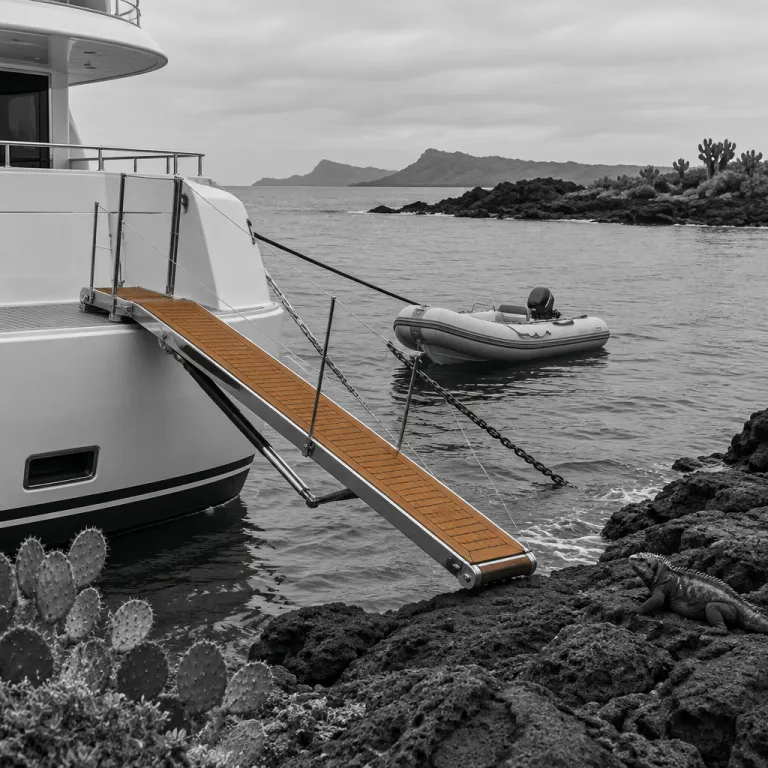
Galapagos islands liveaboard elegance for houseboat loving travellers
Choosing a Galapagos islands liveaboard is ideal for travellers who already love refined houseboat stays yet want wilder horizons. A liveaboard in the Galapagos islands functions like a floating luxury lodge, giving guests continuous access to remote island dives and wildlife rich bays without sacrificing privacy or comfort. This format appeals strongly to people who usually book premium houseboats and now want the same intimacy at sea, with ocean swells and volcanic silhouettes replacing canals and rivers.
On a Galapagos liveaboard, every island feels like a new waterfront neighbourhood, yet you never repack your suitcase or queue at a port hotel between stops. The vessel becomes your private island on the sea, similar to a high end houseboat where the scenery changes while your suite remains constant and carefully serviced by a small crew who quickly learn your preferences. For explorer guests who value privacy, curated service, and quiet decks instead of crowded lobbies, this style of travel feels immediately familiar, especially when you return from a dive to hot towels, fresh snacks, and staff who already know how you take your coffee.
Luxury liveaboard operators in the Galapagos design itineraries around both diving Galapagos highlights and relaxed coastal cruising that suits mixed groups. Non divers can enjoy rays gliding under the bow, sea lions playing beside the hull, and marine iguanas basking on black lava shores during guided island walks with certified naturalists. A typical day might include a dawn dive or snorkel, a late morning shore landing, a long gourmet brunch, and unhurried afternoons on shaded decks with briefings for the next day’s island dives, followed by stargazing from the upper deck as the captain repositions quietly overnight.
From mainland Ecuador to baltra and santa cruz: how itineraries really work
Every Galapagos islands liveaboard journey begins on mainland Ecuador, usually in Quito or Guayaquil, before a flight to Baltra or Santa Cruz for embarkation. Travellers used to booking houseboats on lakes or canals often underestimate the logistics between mainland Ecuador airports and the embarkation island, including transit times, luggage checks, and park control points. Planning these segments with the same care as a complex houseboat itinerary prevents rushed connections, missed dives, and unnecessary overnight stress when flights are delayed or weather shifts.
Most luxury vessels embark guests either at Baltra Island near the main airport or at Puerto Ayora on Santa Cruz Island, the busiest town in the archipelago. Baltra offers quick transfers from the runway to the pier, while Santa Cruz adds scenic drives past highland farms, lava tunnels, and giant tortoise reserves before boarding your yacht. For explorer guests who enjoy layered journeys, starting on Santa Cruz can feel like adding a charming pre cruise houseboat stopover, especially if you schedule one or two nights in a boutique lodge before embarkation to adjust to the climate and time zone.
Regulations in the Galapagos islands are strict, and each liveaboard must follow a fixed route approved by the Galapagos National Park under its zoning plan. These rules protect sharks, rays, sea lions, and marine iguanas while still allowing carefully managed island dives and shore excursions with licensed guides. If you are used to flexible mooring rules on rivers, reading about the patchwork of anchoring regulations for houseboats helps explain why Galapagos itineraries feel more structured but also more environmentally responsible and predictable for planning, with set visitor sites and limited daily quotas.
Diving Galapagos in liveaboard style: from easy island dives to darwin and wolf
For many travellers, the phrase Galapagos islands liveaboard is synonymous with world class diving Galapagos experiences that focus on big animals. The archipelago offers everything from gentle island dives around Santa Cruz to advanced sites at Darwin and Wolf Island, where currents, swells, and pelagic sharks dominate the scene and dives are often conducted from tenders. Guests who already enjoy houseboat holidays on calm canals should assess their comfort level before committing to the most exposed routes, and may want to log several recent dives in similar conditions with drift techniques and negative entries.
Central itineraries focus on island dives near Baltra, Santa Cruz, and neighbouring islands, where divers encounter sea lions, marine iguanas, eagle rays, and schooling fish in relatively moderate conditions with shorter crossings. These routes suit explorer guests who want a balance between underwater time and relaxed afternoons on deck, similar to a houseboat itinerary that mixes cruising with shore visits and long lunches. More adventurous divers often choose extended days at Darwin and Wolf, where hammerheads, silky sharks, and sometimes whale sharks patrol the blue water and negative entries, drift techniques, and blue water ascents are standard practice rather than occasional skills.
Some travellers prefer to split their trip, combining a central Galapagos liveaboard focused on varied island dives with a separate coastal cruise or houseboat charter elsewhere to extend their time on the water. If you enjoy planning multi stage water based journeys, you might pair your Galapagos diving cruise with a luxury houseboat style escape in Croatia or a European canal voyage that emphasises culture and cuisine. This approach lets you compare calm Adriatic bays with the raw Pacific sea around Darwin and Wolf, tailoring each segment to different comfort levels, budgets, and interests while keeping a consistent theme of life afloat.
Iconic vessels and what they offer: tiburon explorer, humboldt explorer, galaxy diver, galapagos sky
Several specialist vessels define the modern Galapagos islands liveaboard scene, each with its own personality and layout that appeal to different traveller profiles. The Tiburon Explorer and Humboldt Explorer focus strongly on diving Galapagos itineraries, taking explorer guests to Darwin, Wolf Island, and remote sites where hammerheads and silky sharks gather in large schools. Galaxy Diver and Galapagos Sky also prioritise serious dives while still offering comfortable cabins and thoughtful service for non diving companions who prefer more time on deck with books, cameras, and binoculars.
On board the Tiburon Explorer, guests typically enjoy eight to ten days of intensive diving, with multiple dives per day at sites known for hammerheads, whale sharks in season, and dense schools of Galapagos sharks, often limited to around 16 passengers for intimacy. The Humboldt Explorer follows similar routes, often combining Darwin Wolf sectors with central island dives to show both pelagic action and classic Galapagos wildlife such as marine iguanas and sea lions in shallower water. Galaxy Diver and Galapagos Sky sometimes structure their days to include more flexible snorkelling and shore excursions, which suits mixed groups where not everyone wants four dives daily or advanced current exposure and prefers a slower pace.
When comparing these vessels, think as you would when selecting a premium houseboat charter on a favourite river. Cabin size, deck layout, and how many guests share common areas matter as much as the number of dives or specific islands visited for overall enjoyment. For travellers who appreciate refined nautical design, consider practical details such as whether cabins have private bathrooms, approximate floor area, individual climate control, and noise insulation, as well as whether the operator holds recognised safety certifications and employs full time dive guides or naturalists who stay on board for the entire season.
Wildlife focus: sharks, rays, marine iguanas, and sea lions from a floating base
One of the strongest arguments for choosing a Galapagos islands liveaboard is uninterrupted access to wildlife rich sites at optimal times of day rather than fixed ferry schedules. Early morning and late afternoon dives often bring the best encounters with sharks, rays, and schooling fish, and staying on a liveaboard near the site maximises these windows when light and currents align. Guests used to houseboat travel will recognise the advantage of waking already moored in a prime location, with tenders ready for a quick run to the dive site or landing beach before day trippers arrive.
In the far north around Darwin and Wolf Island, divers regularly see walls of hammerheads, passing silky sharks, and, in the right season, immense whale sharks cruising through the blue like slow moving submarines. Closer to the central islands, island dives reveal Galapagos sharks, eagle rays, playful sea lions, and marine iguanas grazing on algae in the shallows while penguins dart through the water. This mix of pelagic and coastal life means that even non divers on a Galapagos liveaboard can enjoy surface action, from rays leaping beside the bow to sea lions escorting the tenders and frigatebirds circling overhead in spirals.
Different seasons bring different sea conditions, with the cooler Humboldt current favouring nutrient rich water that attracts more sharks and rays but also requires thicker exposure suits and hoods for comfort. During these months, diving Galapagos can feel more demanding, yet the rewards for explorer guests are exceptional when visibility clears and cleaning stations are busy. Warmer periods offer gentler seas and slightly easier dives, which may suit travellers transitioning from calm houseboat holidays to their first serious liveaboard adventure and testing their sea legs before attempting Darwin and Wolf in peak current.
Designing a houseboat style itinerary around your galapagos islands liveaboard
Travellers who usually book luxury houseboats often prefer to build a wider itinerary around their Galapagos islands liveaboard rather than treating it as a standalone trip with no context. A common pattern is to spend several days on mainland Ecuador in Quito or Guayaquil, then fly to Baltra or Santa Cruz for the cruise, and finally unwind in a quieter coastal or river setting with fewer logistics. This structure mirrors extended houseboat journeys where you combine different waterways and mooring styles to create a longer narrative that feels cohesive rather than rushed.
Before or after your Galapagos liveaboard, consider adding a river lodge stay in the Ecuadorian Amazon or a refined coastal retreat near Manta or Salinas for contrast. These segments provide a softer contrast to the intense dives at Darwin and Wolf, giving your body time to rest while you remain close to the sea or riverbanks and can still hear water at night. For explorer guests who love planning, mapping out days on land and days at sea with clear buffers between flights, dives, and altitude changes is essential for both safety and comfort, especially if you are carrying your own dive gear and underwater camera equipment.
When evaluating itineraries, pay attention to how many days are actually spent at key sites such as Darwin, Wolf Island, and the central islands rather than just listed in marketing copy. Some routes promise visits to famous names but allocate only brief windows for dives, which can frustrate serious divers who travelled far for specific encounters. A well designed schedule, much like a thoughtful houseboat route, balances long crossings, high value stops, and enough downtime on board for guests to enjoy the vessel itself, from sun decks and jacuzzis to camera tables and lounge libraries where stories from the day are shared.
Practical planning for luxury minded guests: safety, comfort, and booking strategy
Booking a Galapagos islands liveaboard requires the same level of due diligence that experienced travellers apply when reserving high end houseboats or expedition cruises. Start by checking safety records, crew training, and maintenance schedules, especially for vessels that regularly operate demanding routes to Darwin and Wolf with strong currents. Look for operators that follow international maritime standards, maintain modern safety equipment, and provide clear briefings on emergency procedures and dive protocols, including oxygen availability and recompression arrangements.
Comfort on board depends on cabin layout, guest capacity, and how the operator manages space between dives and meals during busy days. Smaller groups often mean quieter decks, more personalised dive briefings, and easier access to guides when planning optional island dives or snorkelling sessions tailored to ability. Explorer guests who value privacy should ask how many guests the vessel usually carries compared with its maximum capacity, not just how many cabins exist on paper, and should also confirm typical price ranges, single supplements, and what is included in the cruise fare such as nitrox, gear rental, and park fees.
Finally, consider seasonality, with the cooler Humboldt influenced months favouring shark rich dives and the warmer months offering calmer sea conditions and slightly better topside comfort for sunbathing. Align your expectations with the likely wildlife, from hammerheads and silky sharks at cleaning stations to sea lions and marine iguanas on sunlit rocks near Santa Cruz and neighbouring islands. Treat the booking process as you would for a complex houseboat charter, allowing enough lead time to secure preferred cabins and to coordinate flights, insurance, medical checks, and any pre or post cruise stays so the entire journey feels seamless.
Key figures for galapagos islands liveaboard travel
- According to the Galapagos National Park Directorate and UNESCO World Heritage Centre, visitor access to the Galapagos islands is controlled through a permit system and zoning plan, which helps limit environmental impact while still allowing tens of thousands of guests to join cruises and liveaboards each year; always consult the latest Galapagos National Park and Charles Darwin Foundation reports for current figures and any changes to visitor caps.
- Park regulations restrict most liveaboard itineraries to a defined maximum duration within the marine reserve, encouraging operators to design efficient routes that prioritise high value sites such as Darwin, Wolf Island, and central island dives; official Galapagos National Park documentation should be checked for the most recent limits on nights, visitor sites, and group sizes.
- Studies by conservation organisations and the Galapagos National Park Directorate report that the Galapagos Marine Reserve protects more than 130,000 square kilometres of sea, providing critical habitat for hammerheads, whale sharks, rays, and Galapagos sharks that divers frequently encounter from liveaboard vessels; detailed maps are available through Galapagos National Park and UNESCO resources for guests who like to study routes.
- Water temperatures in the Galapagos typically range from about the high teens in degrees Celsius during the cooler Humboldt current season to the mid twenties in warmer months, which directly influences wetsuit thickness, dive comfort, and the likelihood of seeing certain pelagic species; recent oceanographic data from the Charles Darwin Foundation and partner institutions provide precise seasonal averages and long term trends.
- Many specialist liveaboard operators limit their vessels to roughly 16 to 20 guests, a capacity that balances economic viability with the intimate atmosphere and personalised service expected by luxury and premium travellers; individual operator brochures and Galapagos National Park vessel lists give exact capacities and configuration details for each yacht and route.
FAQ about galapagos islands liveaboard journeys
Is a galapagos islands liveaboard suitable for non divers who enjoy houseboats ?
Yes, many Galapagos liveaboard itineraries welcome non divers who appreciate quiet decks, scenic anchorages, and guided shore excursions with naturalist guides. These guests can join snorkelling, wildlife walks, and panga rides while divers complete their dives and safety stops nearby. Choosing a vessel with strong naturalist programming ensures that non divers feel engaged throughout the days at sea and can enjoy lectures, photo sessions, and relaxed wildlife viewing from the deck between landings.
How many days should I plan for a galapagos liveaboard if I love slow travel ?
Most serious diving Galapagos itineraries run from seven to ten days, which allows enough time to reach Darwin and Wolf while still including central island dives and some shore visits. Travellers who enjoy slow houseboat style journeys often add at least three extra days on mainland Ecuador or Santa Cruz to decompress. This buffer reduces travel stress and lets you adjust gradually to the rhythm of life at sea, recover between long travel legs, and explore local markets or highland reserves without watching the clock.
What level of diving experience is recommended for darwin and wolf island sites ?
Dives at Darwin and Wolf Island usually involve strong currents, surge, and variable visibility, so agencies typically recommend at least advanced certification and a solid logbook of recent dives in similar conditions before booking. Experience with negative entries, blue water ascents, and drift techniques is valuable for both safety and enjoyment. Less experienced guests may prefer central itineraries first, then return for Darwin Wolf routes later after gaining more practice and comfort in current and cooler water.
How does the humboldt current affect conditions for guests on board ?
The Humboldt current brings cooler, nutrient rich water that attracts sharks, rays, and dense fish life, but it also lowers sea temperatures and can increase surface chop and wind. Guests should pack thicker wetsuits, windproof layers, and seasickness remedies during these months to stay comfortable between dives. In exchange, diving Galapagos under Humboldt influence often delivers some of the most dramatic pelagic encounters, with schooling hammerheads and more active sea lions and marine iguanas feeding in the surge.
Can I combine a galapagos islands liveaboard with another water based holiday ?
Many travellers pair their Galapagos liveaboard with a river lodge, coastal retreat, or separate houseboat charter elsewhere to extend their time on the water. This approach lets you enjoy intense dives and wildlife at sea, then unwind in calmer waters with more flexible daily schedules and fewer early starts. Planning both segments together helps coordinate flights, baggage, and any specialised gear such as dive equipment, underwater cameras, and appropriate clothing for different climates and water temperatures.
References: Galapagos National Park Directorate; Charles Darwin Foundation; UNESCO World Heritage Centre.