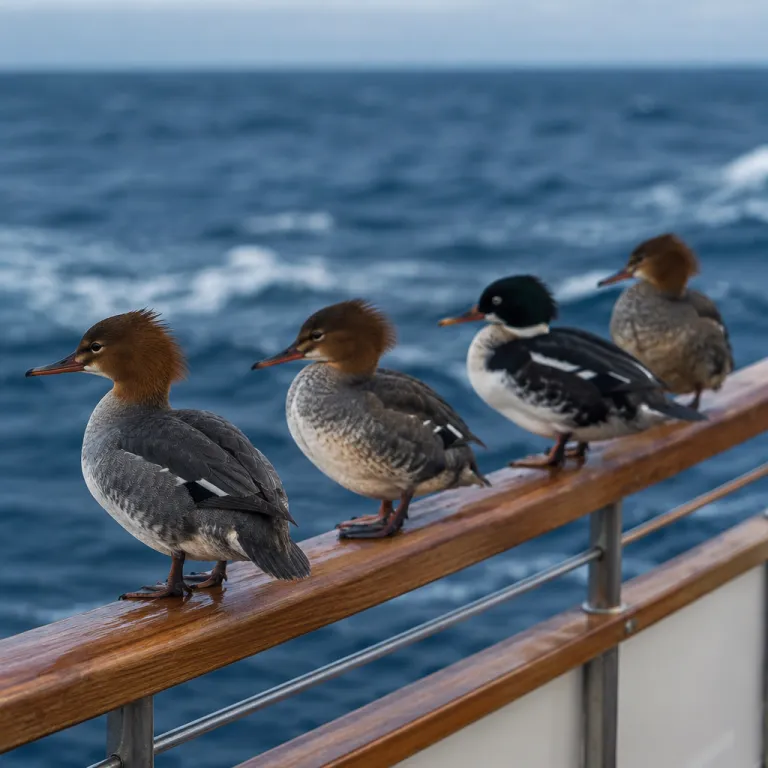
Why an autumn bird migration houseboat stay belongs on your solo travel list
Autumn on the water is when a quiet houseboat becomes a front row seat to one of nature’s most precise logistics operations. As temperatures shift and daylight hours shorten, birds move along ancient flyways in dense waves, turning a simple river mooring into a live map of global bird migration. For a solo traveler planning a refined trip, an autumn bird migration houseboat stay offers hotel level comfort with the rare privilege of waking to wild geese overhead instead of traffic below.
From late august through october, wetlands and estuaries across the Northern Hemisphere stage a rolling fall migration that brings species you will never see in high summer. Shorebirds, ducks and raptors funnel along coasts and river corridors, and a moored boat lets you watch these birds move without disturbing them, especially at first light and last glow. This is when an autumn bird migration houseboat becomes more than accommodation; it turns into a floating hide where every day feels like a curated tour of seasonal wildlife.
Solo guests used to city hotels often underestimate how close they can be to protected park landscapes while still enjoying premium amenities on board. Many national wildlife refuges and coastal reserve zones allow houseboats to anchor just outside their boundaries, so your deck becomes an extension of the viewing platforms ashore. For those who prefer structured experiences, local operators run guided birdwatching tours that collect guests directly from their boat, transforming standard day trips into seamless, water based excursions with clear departure time windows.
Backwaters and wetlands: where an autumn bird migration houseboat stay truly shines
Certain waterways are made for an autumn bird migration houseboat itinerary, and Kerala’s backwaters sit near the top of that list. Around Kumarakom Bird Sanctuary on Vembanad Lake, the flooded rice paddies and canals turn into a vast reserve where herons, egrets and migratory ducks gather in impressive numbers. When you moor a traditional kettuvallam style boat near the sanctuary limits, you can spend each day watching birds great and small commute between feeding grounds and roosts while you sip coffee on the foredeck.
In this region, many curated tours depart from small jetties at set hours, but premium houseboat operators often arrange a private tour by canoe or shallow draft boat that meets you at your mooring. That means no rush to a distant office for tickets, just a confirmed departure time and a guide who knows which species are moving that week. During peak bird migration in september and october, these guides often adjust the tour route in real time, steering toward rafts of waterfowl or mixed flocks of waders that only appear for minutes between departure points.
Beyond India, temperate estuaries in Europe and North America also reward an autumn bird migration houseboat stay. Think of the Dutch IJsselmeer, the Danube Delta or the sheltered inlets near national wildlife refuges along the U.S. Atlantic coast, where fall migration concentrates thousands of birds in relatively compact park zones. If you already enjoy expedition style liveaboards, you will recognize the same rhythm in more remote experiences such as Galápagos liveaboard journeys for luxury houseboat style explorers, where the boat functions as both hotel and observation platform.
Fieldcraft from the deck: how to watch birds well from a houseboat
Good birdwatching from an autumn bird migration houseboat is less about constant cruising and more about knowing when to stay still. Birds settle when engines stop, so plan your day around long, quiet moorings at dawn and dusk, when silhouettes cross the sky in layered skeins. A short repositioning tour in the middle of the day can work, but the richest moments often come when you simply sit on deck and let the river traffic and the birds move around you.
Pack as you would for a serious reserve visit, not a casual lake outing, even if your accommodation feels like a premium hotel suite. Binoculars with an 8x or 10x magnification, a compact spotting scope if you have one, and a printed species list for the park or national wildlife refuge will turn fleeting views into identified memories. Warm layers matter on open decks in october, and a wool hat can make the difference between staying out for an extra thirty minutes departure window at dusk or retreating inside just as the cranes begin their evening flight.
Some solo travelers like to structure their trip with short guided day trips from the boat, especially in unfamiliar wetlands. In places such as Lake Tahoe, where an elegant floating stay already frames the landscape, pairing a refined houseboat rental with a specialist guide can elevate the experience, much like the curated perspectives offered by Lake Tahoe houseboat rentals for a refined waterfront escape. Whether you choose independent watching or a guided tour, keep a simple field notebook on the saloon table and post a daily list of species; over several days, patterns in the fall migration will become clear.
Timing your stay: august whispers, september waves, october peaks
Planning an autumn bird migration houseboat itinerary means thinking in phases rather than a single weekend. Late august often brings the first shorebirds and early ducks, a subtle prelude that rewards patient observers who do not mind quieter decks and cooler evenings. By mid september, the tempo of bird migration increases, and every day on the river can feel like a new chapter in a long distance travelogue written in wings.
For most temperate wetlands, october is the sweet spot when species diversity and numbers align with stable weather and softer light. This is when an anchored boat in a sheltered park backwater can deliver both crisp mornings filled with geese calls and long afternoons where birds great and small feed methodically along exposed mudflats. If your schedule allows, aim for at least four nights on board, as the pattern of fall migration often reveals itself only after you have watched several departures and arrivals at the same stretch of water.
Houseboat operators who understand this seasonal rhythm will publish clear information about departure time windows for repositioning cruises and about when their tours depart for guided birdwatching. Look for booking pages that answer frequently asked timing questions directly, rather than burying them in a generic asked questions section. When you see precise language about minutes between departure slots, typical day trips length and the best hours for viewing specific species, you can trust that the team has built its schedule around the birds rather than the other way around.
Luxury on the water: what to expect from premium migration focused houseboats
Choosing an autumn bird migration houseboat on a luxury and premium platform is less about chandeliers and more about thoughtful design for quiet observation. The best vessels place generous windows at eye level when seated, so you can track birds move across the waterline without stepping outside in the cold. Decks are furnished with stable chairs, soft blankets and low level lighting that will not blow your night vision when you step out to listen for geese overhead.
On the service side, a serious operator treats your stay like a tailored nature tour rather than a generic river cruise. Concierges can arrange private birdwatching tours that collect you by small boat, adjust breakfast hours around key migration events and provide printed tide tables or sunrise charts alongside the wine list. Some platforms, such as elegant yacht charters in island destinations, show how a high end floating stay can balance refined hospitality with access to wild coastlines, a model increasingly applied to migration focused houseboats in estuaries and lagoons.
For solo travelers, privacy and safety sit alongside wildlife access as non negotiables. Look for clear information about crew presence, shore support office contacts and emergency response times, especially if your autumn bird migration houseboat will be moored near remote park zones. Transparent policies about fuel use, generator hours and quiet periods signal respect for both guests and birds, and they often correlate with better environmental practices in sensitive reserve areas.
Practicalities: booking, policies and making every day on board count
When you book an autumn bird migration houseboat, the fine print matters as much as the photos. Read the cancellation policy carefully, especially in regions where strong winds or early storms can affect river levels and safe departure. Flexible terms that allow a date shift within the same migration window can save your trip if local conditions change suddenly.
Before confirming, scan the listing for a concise section that resembles a frequently asked or asked questions page focused on nature travelers. You want to see details about typical day trips offered from the boat, whether tours depart directly from your mooring, and how long it takes in minutes from departure to reach key reserve viewpoints. Clear notes about office contact hours, check in time and any park permits included in the rate will reduce friction once you arrive.
Once on board, treat each day as a layered experience rather than a race between scheduled tours. Mornings can be dedicated to quiet deck watching, afternoons to a guided tour or a walk in the nearby park, and evenings to reviewing your species list while you post a few images from the boat. Over several nights, you will see how spring fall patterns differ from the concentrated drama of autumn, and you may even start planning a return during spring migration to compare how the same national wildlife refuge feels when birds move north instead of south.
Key figures for autumn bird migration from houseboat stays
- On major Eurasian flyways, an estimated two to three billion birds participate in autumn bird migration, with peak movements often recorded in september and october according to long term radar studies by European ornithological institutes; for current summaries, consult national bird observatories or migration monitoring centers in the region you plan to visit.
- Wetland reserves such as Kumarakom Bird Sanctuary in Kerala regularly host more than ninety recorded bird species in the cooler months, compared with significantly lower diversity during the pre monsoon period, based on local tourism and forest department data published in regional bird checklists and visitor reports.
- In several U.S. national wildlife refuges along the Mississippi Flyway, autumn counts of waterfowl can exceed several hundred thousand individuals per season, with daily peaks concentrated within two to three hours after sunrise and before sunset according to U.S. Fish and Wildlife Service monitoring reports and annual refuge bird surveys.
- Houseboat and small boat based birdwatching tours in key migration hotspots typically operate with departure time windows of fifteen to thirty minutes to match tide and light conditions, a pattern reflected in schedules published by reputable eco tour operators and regional birding tour companies.
Frequently asked questions about autumn migration houseboat stays
Which months are best for an autumn bird migration houseboat stay ?
For most temperate wetlands, the most reliable window runs from late september through october, when both species diversity and overall numbers peak. Late august can offer early passage of shorebirds, while some regions see strong movements continue into early november. Check local bird observatory reports for the specific river or estuary you plan to visit.
How many days should I book to see meaningful migration patterns ?
A minimum of three nights on an autumn bird migration houseboat allows you to see daily variation in bird movement. Four to six nights give you a better chance of experiencing different weather conditions, which strongly influence visible migration. Longer stays also make it easier to combine independent deck watching with one or two guided day trips.
Do I need a guide, or can I watch birds independently from the boat ?
You can enjoy excellent birdwatching directly from the deck, especially at dawn and dusk when birds move along the river or across nearby reserve skies. A local guide becomes valuable if you want to identify a wide range of species or explore interior park habitats that are not visible from the water. Many premium operators offer optional tours that depart from the houseboat, so you can mix guided and independent days.
What should I pack for an autumn migration focused houseboat trip ?
Bring quality binoculars, a weatherproof field guide or species app, and layered clothing suitable for cool mornings on deck. A hat, gloves and a wind resistant jacket make october viewing far more comfortable, especially on open water. A small dry bag for camera gear and a notebook for daily species lists will help you document the fall migration in detail.
How do cancellation policies work for weather sensitive houseboat stays ?
Reputable operators outline a clear cancellation policy that covers severe weather, unsafe river conditions or park closures. Some offer free date changes within the same migration season, while others provide partial refunds if tours depart but certain activities are curtailed. Always confirm these terms before booking and keep a copy of the policy in your travel documents.