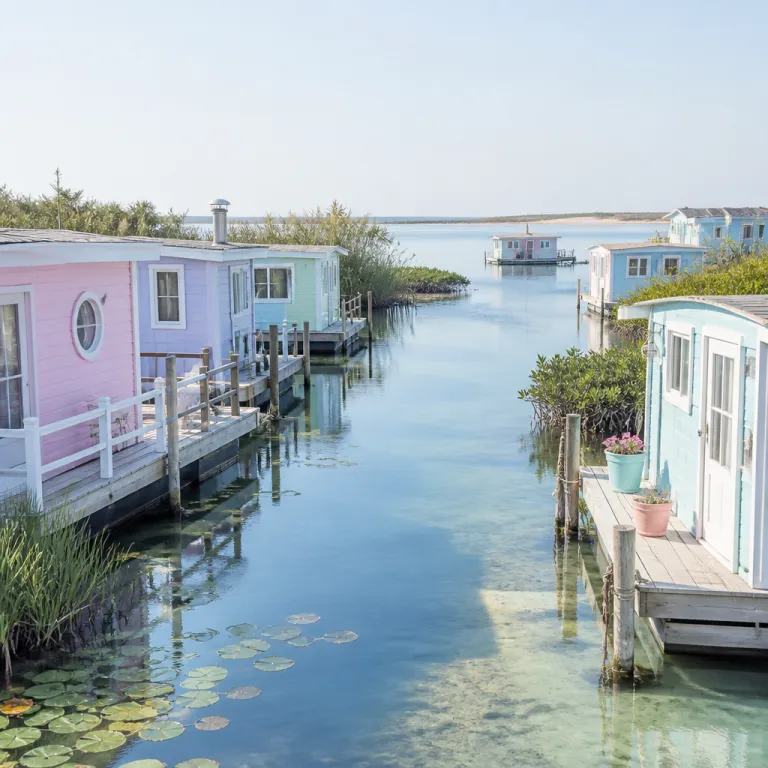
Why a houseboat water types guide matters more than the map
Choosing a luxury houseboat without understanding the water is like booking a city break without checking the neighborhood. This houseboat water types guide starts with the simple truth that the same boat can feel entirely different on canals, backwaters, lakes or lagoons, because the character of the water shapes every moment of your living and cruising experience. Before you compare destinations, decide which water type suits how you want to move, sleep and share space on board.
On calm canals, a compact houseboat with a shallow draft and modest power feels relaxed and intimate, while the same hull form on a wind exposed lake can feel underbuilt and noisy. In Kerala’s backwaters, crewed houseboats with broad beams and generous deck space glide slowly, so the focus shifts from high performance handling to shaded decks, attentive service and quiet cabins. On large lakes and tidal lagoons, the best boat types for premium stays borrow ideas from cabin cruisers, deck boats and even small yachts, balancing stability, foam filled safety zones and strong steel or aluminum structure against the need for elegant interiors.
Luxury travelers used to hotels often underestimate how much the choice between lakes, rivers, canals and lagoons will affect privacy, sleep quality and access to shore. A couple who loves freshwater fishing and wants to use bass boats or jon boats as tenders will feel constrained on a narrow urban canal but liberated on a wide reservoir with floating homes and pontoon boats nearby. By treating this as a houseboat water types guide rather than a destination list, you can match your expectations about movement, silence, fishing and day water activities to the right boats range and water conditions.
Canals and narrow waterways: slow travel on a moving terrace
European canals and narrow waterways turn a houseboat into a slow moving terrace, where the water feels more like a street than a sea. In Amsterdam, on the UK canal network or along the Canal du Midi, you usually pilot the boat yourself, so hull shape, underwater profile and power output must be forgiving rather than high performance. Expect to cruise at walking pace, share locks with other boats and moor beside towpaths where cafés, markets and city life sit just a few metres from your deck.
For canals, the most comfortable houseboats use flat bottom hulls similar to jon boats or traditional barges, which keep the draft shallow and the motion gentle. You will not need performance boats or center console fishing boats here; instead, look for compact cabin cruisers or purpose built canal houseboats with good sightlines from the helm and foam filled compartments for extra reassurance. Because space is limited, designers borrow ideas from deck boats and cabin cruiser layouts, carving out clever living zones and using every centimetre of deck and interior volume for storage, lounging and dining.
On a premium booking platform, filter by boat types that mention canals, narrowboats or low air draft, and pay attention to hull material. Steel is common for European canal boats, offering durability when brushing lock walls, while aluminum appears more often on lighter, modern boats that prioritize fuel efficiency and easy handling. If you are interested in sustainable design and off grid comfort, look for canal based floating homes that echo the innovations seen in a LEED Platinum style houseboat, as explored in this guide to off grid and afloat design, then adapt those principles to the quieter, lock punctuated rhythm of canal cruising.
Backwaters: warm, crewed and quietly theatrical
Backwaters such as Kerala’s labyrinth of canals and lakes offer a very different houseboat water types guide chapter, where you drift more than you drive. Here, a houseboat is usually fully crewed, so you focus on living, eating and watching the water rather than managing hull geometry, power settings or mooring lines. The water itself is warm, slow moving and often shallow, which allows wide hulls, generous deck space and ornate wooden superstructures that would be impractical on exposed lakes or tidal lagoons.
Traditional kettuvallam style houseboats on Kerala’s backwaters use wooden hulls stitched and oiled rather than welded steel or aluminum, and they move at a gentle pace ideal for couples seeking quiet romance. You will not find bass boats, center console fishing boats or performance boats here; instead, the supporting boats range consists of small canoes and simple fishing boats that slide between rice paddies and village jetties. On a premium booking website, focus less on technical hull specifications and more on layout, privacy between cabins, shaded deck areas and how the crew manages day water activities such as village visits or freshwater fishing excursions.
Backwater cruising also has a cultural dimension that lakes and rivers in North America or Europe rarely match, because the waterway is a lived in corridor. On Dal Lake in Srinagar, for example, stationary wooden houseboats function almost as floating homes, with shikaras acting as elegant jon boats for transport and fishing. For a deeper sense of how heritage and hulls age together, read this feature on Dal Lake’s aging houseboats and their craftsmen, then apply those insights when you evaluate whether a backwater stay should feel like a moving cruise or a moored, time layered retreat.
Lakes and reservoirs: open water, big skies and serious hulls
Lakes and reservoirs change the equation again, because open water demands more from every boat and every hull. On Lake Powell, Shasta Lake or Europe’s larger reservoirs, wind can build short, steep waves that test hull structure, stability and structural materials in ways canals never will. For luxury travelers, this means choosing houseboats and cabin cruisers that borrow from yachts and performance boats, with deeper hulls, foam filled sections and robust steel or aluminum framing.
On these waters, the supporting boats range often includes bass boats for freshwater fishing, deck boats for social day water outings and pontoon boats for relaxed sunset cruises. A premium houseboat may carry its own small fleet, so couples can alternate between quiet living on the main deck and active cruising in smaller fishing boats or center console style tenders. When you read listings, pay attention to how the host describes hulls and power; terms like "deep V hull design", "foam filled stringers" or "reinforced aluminum hull" signal that the boat is built for more than calm coves.
Lakes also offer more space for swimming, paddleboarding and anchoring away from shore, which changes how you think about privacy and access. If you want a secluded feel, choose a houseboat that can anchor in sheltered bays, with a stable pontoon or catamaran style hull configuration that reduces roll when other boats pass. For travelers curious about how different regions interpret floating architecture, from Gulf marinas to Southeast Asian lagoons, this feature on global houseboat design beyond Dutch canals offers useful context that you can apply when comparing lake based floating homes to their lagoon or harbor cousins.
Lagoons and harbours: tidal rhythms and city lights
Lagoons and sheltered harbours sit between canals and open lakes in this houseboat water types guide, blending urban energy with maritime rhythm. In places like Sausalito, Venice or sheltered Caribbean inlets, most houseboats remain on fixed moorings, so you live afloat but rarely cruise, while smaller boats handle transport and fishing. The water here is often tidal, which means your hull design, mooring lines and gangways must cope with daily height changes and occasional storm surges.
In these environments, floating homes and houseboats often use barge style steel hulls or large pontoon platforms, prioritizing stability over speed. You may see pontoon boats, deck boats and cabin cruisers weaving between moorings, while performance boats and center console fishing boats head out through lagoon passes to open sea. When booking, check whether your houseboat sits in a marina style setting with shared facilities or on a quieter mooring where the only regular visitors are kayaks, jon boats and working fishing boats returning at dawn.
Tidal range affects everything from how you step aboard to how much motion you feel at night, especially when wind opposes current. Ask hosts about typical day water conditions, storm protection and whether the hull is foam filled or double skinned for extra security. In Venice, you also need to understand seasonal acqua alta flooding, because high water can affect access ramps and nearby walkways, even if the boat itself rides safely on its hulls.
How water type shapes your stay: privacy, movement and season
Once you understand the main water types, you can use this houseboat water types guide as a decision tool rather than a simple glossary. Start with three questions: do you want to travel or stay put, do you want a crew or to pilot the boat yourself, and do you prefer wild surroundings or walkable neighborhoods. Your answers will naturally point you toward canals, backwaters, lakes or lagoons, each with its own balance of movement, privacy and exposure to weather.
Canals suit couples who enjoy gentle cruising, frequent moorings and the sociable feel of towpaths, where other boats pass close and privacy depends on curtains more than distance. Backwaters work best for travelers who want crewed service, slow motion scenery and a theatrical sense of place, with fishing boats, jon boats and small local craft gliding past your hull throughout the day. Lakes reward those who value space, swimming and freshwater fishing, where bass boats, deck boats and pontoon boats expand your playground but also introduce more wake and noise.
Lagoons and harbours appeal to urban minded couples who like city lights, restaurants and galleries within walking or tender distance, accepting some tidal motion in exchange for culture. Season matters everywhere; canals can freeze or close, backwaters can flood, lakes can whip up steep chop and lagoons can see storm driven surges that test every hull form and mooring. On a serious booking platform, hosts who explain their hull design, materials such as steel or aluminum, and safety features like foam filled compartments signal a level of expertise that aligns with premium expectations.
A simple framework for choosing your ideal houseboat water
To turn this houseboat water types guide into a practical tool, imagine four archetype trips and see which one feels closest to your plans. The "moving village" trip fits canals and some backwaters, where you pilot a modest power boat with a shallow hull, stop in villages and treat locks as part of the theatre of travel. The "floating suite" trip suits lagoons and heritage backwaters, where the houseboat behaves more like a stationary cabin cruiser or floating home, and smaller boats handle excursions.
The "lake lodge" trip belongs on large reservoirs and inland seas, where a robust hull design, foam filled safety zones and a supporting fleet of bass boats, deck boats and pontoon boats create a hybrid between a chalet and a yacht. Finally, the "urban raft" trip describes houseboats in harbours like Sausalito or Amsterdam, where you live in a floating apartment with city access, sharing the water with fishing boats, cabin cruisers and performance boats that come and go. In all four cases, the same core questions apply: how much you want to move, how close you want neighbors, how much motion you tolerate and whether you value fishing, swimming or pure stillness.
Experienced houseboat travelers know that "A boat designed for living aboard." is more than a definition; it is a reminder that hulls, decks and interiors must work together with the water beneath them. When you compare listings, read beyond décor and focus on hull configuration, materials such as steel or aluminum, and how the host describes day water conditions and nearby boat types. If you book in advance, check local regulations and pack light, you can let the water type, not just the destination name, guide you toward a houseboat stay that feels precisely tuned to the way you like to travel.
Key figures and trends in houseboat water types
- One comprehensive guide from a specialist travel publisher currently tracks around 50 distinct houseboat destinations worldwide, illustrating how canals, backwaters, lakes and lagoons now form a mature, diversified market for floating stays; always cross check such figures with the latest edition or with tourism board data for the region you are considering.
- In many European canal regions, self drive boats account for the majority of rentals, while crewed houseboats dominate in Kerala’s backwaters, reflecting different expectations about piloting, hull complexity and service levels; local tourism offices and national boating associations publish updated breakdowns that you can consult when planning.
- On large North American reservoirs, premium houseboats over 15 metres increasingly use aluminum or steel hulls with foam filled sections, a response to stronger wind chop and higher safety expectations among mid to high budget travelers, as noted in manufacturer brochures and marina fleet upgrades.
- Rising interest in eco friendly travel has pushed some operators to experiment with solar assisted power systems and efficient hull forms, especially on calm canals and sheltered lagoons where lower speeds make electric propulsion practical; look for references to ISO or ABYC compliant electrical systems in technical descriptions.
- Tourism boards in several regions now actively promote houseboat stays as a way to spread visitor numbers beyond city centres, using lakes, rivers and backwaters to support local economies while limiting new land based construction; regional development plans and official visitor strategies often outline these goals in detail.
FAQ about choosing houseboat waters
What is a houseboat, and how is it different from other boats ?
A houseboat is, in the most practical sense, "A boat designed for living aboard." Unlike bass boats, deck boats or center console fishing boats, a houseboat prioritizes interior space, stable hull design and domestic comforts such as full bathrooms, kitchens and proper beds. Some houseboats can cruise like cabin cruisers, while others behave more like floating homes that rarely move.
Where can I rent a houseboat for canals, backwaters or lakes ?
You can rent a houseboat in classic canal cities such as Amsterdam, along the UK’s narrow waterways, on France’s Canal du Midi, in Kerala’s backwaters and on major lakes like Powell, Shasta or Dal Lake. Each water type offers different boat types and service models, from self drive steel canal boats to fully crewed wooden houseboats. Premium booking platforms often categorize listings by region and water type, which helps you align your trip style with the right hull and setting.
Do I need a license to operate a houseboat on different waters ?
Requirements vary by location; check local regulations before you book. Many European canal regions allow short training sessions instead of a formal license for modest power boats, while some lakes and rivers in the United States may require a boating safety card or equivalent issued under state rules. In Kerala’s backwaters and on many lagoon based houseboats, you will usually have a crew, so you do not pilot the boat yourself.
Is a lake or a canal better for a first luxury houseboat stay ?
For most first time couples, canals or calm backwaters feel more approachable than large lakes, because the water is gentler and speeds are lower. If you prefer privacy and open views, a lake with a well built aluminum or steel hull houseboat and access to smaller boats for freshwater fishing can be ideal. Travelers who want walkable villages, easy moorings and minimal motion usually start with canals, then graduate to larger lakes or lagoons once they understand how hull design and weather interact.
How do I compare safety and comfort between different houseboat hulls ?
Look for clear information about hull material, hull design and safety features such as foam filled compartments or double bottoms, especially on lakes and tidal lagoons. Steel and aluminum hulls tend to be more impact resistant than older wooden hulls, though well maintained timber boats can still be very safe on calm canals and backwaters. A trustworthy listing will explain how the boat handles local day water conditions, where lifejackets are stored and whether the operator follows recognized safety standards such as national coast guard rules or ISO based guidelines.