Kerala backwaters: kettuvallam heritage and the rhythm of daily life
On Kerala’s backwaters, the first light hits the hull of your houseboat before it reaches the palms. This is where the main content of any stay is not the polished deck, but the quiet choreography between the boat and the bankside living that has shaped houseboat culture communities heritage. Luxury here feels different, because the water carries stories long before it carries you.
The traditional kettuvallam boat began as a mode of transport for rice, spices and coir, long before houseboat tourism turned these waterways into a global postcard image. Many of today’s houseboats still echo that working past, with wooden docks that creak like the old cargo wharves and kitchens that open straight onto the water for easy access to passing vendors. When you glide past a toddy shop at dusk, you are moving through a living archive of cultural heritage, not a staged attraction.
Along these channels, people live in slender houses set just above the tide line, their lives permanently moored to the rhythms of fishing, coconut harvesting and ferry boats. You see children stepping from house to canoe as naturally as from house to school bus in any city, and you understand that this is a houseboat community before it is a destination. The houseboat dwellers who crew your vessel are often from these same villages, and their stories set apart one journey from another.
For travelers booking premium floating residences here, the most meaningful luxury is proximity to this everyday life. Choose operators whose houseboats are modest in scale, with fewer cabins and quieter engines, so the boat sits lightly on the water and the community. Ask how waste is handled, how supplies are sourced and whether your cruise schedule respects the working hours of local residents along the wharf.
Step ashore where invited, not wherever the captain can tie up, and treat each visit to a temple, toddy shop or village house as a privilege rather than an entitlement. The most memorable images you carry home will be of early morning chai on the deck, fishermen casting nets beside your moored houseboat and the soft call to prayer drifting across the backwaters. Long after you forget the thread count, you will remember the way the tide set the pace of your days aboard.
Amsterdam canals and Sausalito: floating villages, not theme parks
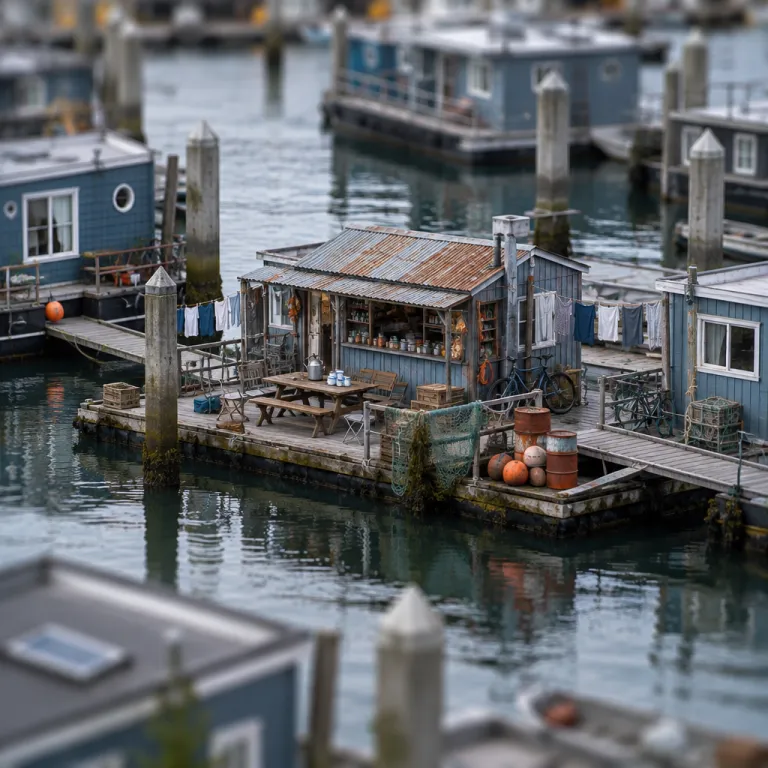
On Amsterdam canals, the line between real estate and river is blurred by rows of floating homes that feel as permanent as the brick houses behind them. These are not props for a postcard image, but a dense houseboat community where people live year round, commute by bicycle and greet neighbors from wooden docks instead of sidewalks. When you book a luxury houseboat here, you are stepping into a residential street that simply happens to float.
Many of the most characterful houseboats in Amsterdam began life as working boats, later converted into floating residences with careful attention to cultural heritage and maritime regulations. Some are still permanently moored barges with low profiles and steel hulls, while others resemble compact houses resting on concrete pontoons, each with its own rhythm of life aboard. The best premium stays respect this context, offering refined interiors without pretending the city outside is a water themed resort.
Across the Atlantic, Sausalito’s floating homes near San Francisco share a similar story of countercultural roots evolving into sought after floating real estate. Here, wooden docks knit together a maze of floating residences, from whimsical cottages to sleek luxury vessels, all part of a community that long predates houseboat tourism. The heart of this city on the water lies in its residents’ routines, from kayak commutes to shared gardens balanced above the tide.
For travelers, the key is to choose houseboats that are licensed, well maintained and clearly integrated into the local community, rather than isolated party platforms. Look for hosts who outline house rules about noise, visitor numbers and respectful photography of neighboring boats and houses, and who explain how their property fits into local planning frameworks. When browsing curated collections of premium cabins and floating homes, such as the exclusive houseboat deals in Italy and other waterways highlighted in specialist European houseboat collections, apply the same lens of community first.
Walking along the wharf in either Amsterdam or Sausalito, you quickly see why these areas are set apart from conventional resorts. There are school boats instead of shuttle buses, recycling points on the pier and neighbors chatting across decks as laundry dries in the breeze. Your role as a guest is to fit into that pattern lightly, keeping the focus on the people who call these floating streets home.
Lake Union, Seattle and Lake Union’s quiet cousins: life on the water in working cities
In Seattle, lake Union sits at the junction of working shipyards, tech campuses and a dense cluster of floating homes that have become shorthand for cinematic romance. Yet behind the famous image of one house on this lake is a complex houseboat culture communities heritage that mixes long term houseboat dwellers, working boats and new luxury vessels. This is not a resort lagoon, but a working lake where tugboats, seaplanes and kayaks share the same water.
The floating residences on lake Union range from modest, decades old houses to striking contemporary designs that push the boundaries of what a house on water can be. Many are permanently moored, with carefully engineered access via shared wooden docks that feel like narrow streets, complete with potted plants and bicycles. When you stay aboard one of these houseboats, you are borrowing a slice of city living that just happens to float.
Similar patterns appear in other North American hubs, from the houseboat community on Washington’s waterways to smaller clusters of moored houseboats in Canadian harbors. In each case, the heart of the city extends onto the water, with residents commuting to offices, schools and markets while their houses gently rise and fall with the tide. The boats around you are not stage dressing for houseboat tourism, but primary homes where people live, work and age in place.
For a luxury and premium booking website, the responsibility is to frame these stays as invitations into existing communities, not as isolated floating resorts. Listings should highlight how each houseboat connects to the surrounding neighborhood, from nearest grocery access to public mode of transport options that reduce car dependence. Platforms that curate refined live aboard marinas, such as those featured in guides to where to find live aboard marinas for luxury stays, help travelers understand this wider context.
As a guest, you can reinforce that respectful approach by choosing stays that are clearly part of regulated floating home communities rather than unregistered rentals. Ask hosts about local rules, from quiet hours to waste management, and treat the shared docks as you would the hallway of an apartment building. The memories that linger will be of sunrise coffee on the deck, the sound of seaplanes lifting off and the sense of being held within a working waterfront rather than apart from it.
Tonle Sap, the Nile and other waterbound worlds: when the water is the street
On Cambodia’s Tonle Sap, the idea of a houseboat community takes on a different scale, with entire villages arranged along shifting shorelines and seasonal currents. Here, floating homes, school boats and market boats form a complete ecosystem where the water is both street and pantry, and where houseboat dwellers adapt constantly to the lake’s expansion and retreat. Any luxury visitor stepping aboard in this context must understand that they are entering a place where water defines every aspect of life.
These floating residences are often simple structures, yet they embody a deep cultural heritage tied to fishing, migration and river ecology. Residents move their houses as water levels change, anchor near wooden docks that appear only in the dry season and rely on boats as their primary mode of transport for work, school and trade. The community’s resilience is the real luxury to witness, far more compelling than any polished deck or curated interior.
Along the nile in Egypt, you find a different expression of houseboat culture communities heritage, where moored houseboats line certain stretches near major cities. Some serve as permanently moored restaurants or guesthouses, while others remain private floating homes that blend river views with urban access. In both Tonle Sap and along the nile, the key distinction is that these are first and foremost places where people live, not waterborne resorts built solely for houseboat tourism.
For travelers, the ethical question is how to engage without turning these communities into open air museums. Choose operators who work with local residents as guides, cooks or boat crew, and who limit group sizes to reduce wake and noise in narrow channels. Avoid photographing people in their houses without consent, and remember that every image you capture is part of someone’s daily life, not just a backdrop for your journey aboard.
When curated thoughtfully, premium experiences on these waters can support education, conservation and local livelihoods rather than displace them. The most meaningful itineraries include time in small family run eateries, visits to community projects and clear explanations of how your fare is shared. You leave with a deeper understanding of how water shapes identity, and with a renewed respect for communities that have learned to live with the tide rather than against it.
From resort mindset to cultural respect: how to choose and use luxury houseboats
Across Kerala, Amsterdam, Seattle and beyond, the thread that unites the most rewarding houseboat stays is a shift in mindset from resort consumption to cultural respect. A luxury and premium booking website that takes houseboat culture communities heritage seriously will foreground the stories of residents, not just the square meters of deck space. It will treat each boat as part of a wider community fabric, rather than as an isolated floating villa.
When browsing listings, look for language that situates the houseboat within its neighborhood, mentioning nearby markets, shared wharf access and local customs that shape life aboard. Properties that explain how they manage noise, waste and visitor numbers usually signal deeper engagement with the houseboat community and its long term residents. Curated collections that highlight both iconic canals and less known waterways, such as the elegant boat charter options in Cancún presented on specialist charter pages, can help you compare how different destinations balance comfort and culture.
Once aboard, small choices matter, from keeping music low on shared wooden docks to buying bread, fruit and crafts from local vendors who arrive by small boats. Ask your host or crew about the history of the house, the regulations that govern floating homes in that city and the ways tourism has changed daily life. You will quickly see how the heart of the city extends onto the water, and how your behavior can either support or strain that delicate balance.
Responsible travelers also think beyond the immediate image of their stay, considering the long term impact on real estate pressures and community cohesion. Favor operators who cap the number of houseboats in sensitive areas, invest in cleaner engines and contribute to local cultural heritage initiatives. The reward is a richer, more layered experience where the luxury lies in connection, not isolation.
Ultimately, the memories that endure from any houseboat journey are rarely about marble bathrooms or designer loungers. You remember the neighbor waving from a nearby deck, the sound of rain on the roof and the shared joke with a crew member as you tie up at the wharf. The toddy shop and the tide, the school boat and the seaplane, the market barge and the evening prayer — these are the details that turn accommodations into cultures, and that make every night afloat part of a much larger story.
FAQ
How is staying on a houseboat different from a traditional hotel ?
Staying on a houseboat places you inside a living waterfront community rather than behind a lobby door. You share wooden docks, water views and sometimes services with long term residents, so your stay feels more like joining a neighborhood than visiting a resort. The experience is shaped by tides, boat traffic and local routines, which makes it more dynamic but also requires greater respect for those who live there year round.
What should I look for when booking a luxury houseboat in a residential community ?
Prioritize licensed properties that clearly explain their location, access and relationship to the surrounding houseboat community. Look for hosts who outline house rules about noise, visitor numbers and shared spaces, and who describe how they manage waste and environmental impact. Listings that mention nearby markets, public transport and local customs usually signal deeper engagement with the neighborhood.
How can I be a respectful guest in a houseboat neighborhood ?
Keep noise low on decks and docks, especially early in the morning and late at night. Avoid photographing people in their houses or on their boats without permission, and treat shared walkways as you would an apartment corridor. Spend money locally in small shops, markets and eateries, so your presence supports the community that hosts you.
Are houseboat stays suitable for solo travelers seeking authentic experiences ?
Houseboat stays work very well for solo travelers who value immersion in local life and slower rhythms. You can enjoy privacy aboard while still being close to markets, cafés and waterfront walks that make meeting people easy. Choosing smaller, owner managed boats often leads to more meaningful conversations and insights into the community’s history and daily routines.
Do houseboat communities exist only in famous destinations like Amsterdam and Kerala ?
Houseboat communities appear in many regions, from Seattle’s lake Union and Washington’s waterways to Tonle Sap in Cambodia and stretches of the nile. Some are dense clusters of floating homes in major cities, while others are small villages where water is the main street. Each has its own cultural heritage and rules, so researching the local context before booking helps you travel more thoughtfully.