Why a moored houseboat is the ultimate wildlife hide
A well positioned houseboat turns houseboat birdwatching wildlife into a front row seat on the water. Because the boat sits low in the water and usually at low water levels near reeds, your eye line matches the birds and other wildlife instead of looming above them. That quiet alignment with the natural environment means every bird species behaves as it would years ago before engines and crowds, so your experience will feel more like a private wildlife safari than a standard cruise.
On a moored birding boat, you spend time watching behavior and habitat rather than chasing sightings. The still hull lets you catch a glimpse of shy bird species as they move between nests on the shoreline and feeding grounds, and you can calmly note how different species of birds share the same space. This slower rhythm is a good fit for solo travelers who want to connect with nature, because the houseboat becomes both base camp and floating hide across each day of the trip.
Silence is the real luxury in houseboat birdwatching wildlife, and it costs nothing. When the boat is anchored and the deck stays quiet, long legged herons, white egrets and even terns and gulls accept the houseboat as part of their behavior and habitat rather than a threat. That is when you will see birds with long legs stalking the shallows, hear the wingbeat of a single bird at dawn and understand why a thoughtfully chosen houseboat trip can rival any land based lodge for intimate wildlife encounters.
Kerala backwaters: from Kumarakom to Pathiramanal Island
For many birders, the Kerala backwaters are where houseboat birdwatching wildlife becomes an almost continuous spectacle. Around Kumarakom Bird Sanctuary, the network of canals and the broad lake create ideal places for birds to feed, roost and nest, so every bend of the water can reveal new species of birds. A traditional kettuvallam style houseboat gives you a stable birding boat platform, while the eco friendly pace of travel keeps disturbance low and the experience great for both you and the wildlife.
At first light on Vembanad Lake, you may find cormorants drying their wings, long legged purple herons in the rice paddies and white egrets patrolling the shallows. As your houseboat trip glides past the nests on the shoreline, watch for migratory ducks, storks and other species of birds that treat the backwaters as a seasonal highway. Otters and monitor lizards often share the same natural environment, turning a simple day on the water into a multi layer wildlife safari without leaving the deck.
From Kumarakom, many captains know the channels that lead towards Pathiramanal Island, where the mix of low water inlets and deeper channels attracts both resident and visiting bird species. This is where a good local guide earns their fee, pointing out subtle behavior and habitat differences between similar birds while you relax with binoculars instead of worrying about navigation. If you are planning a group holiday on the water, pairing a larger houseboat with a dedicated birding boat tender can work well, and resources like this guide to group holidays on the water help you choose layouts that keep wildlife watching decks calm and uncluttered.
Wildlife rich lakes and estuaries beyond the tropics
Houseboat birdwatching wildlife is not limited to palm fringed canals ; temperate lakes and estuaries can be just as rewarding. On a quiet lake in the Pacific Northwest or a sheltered European estuary, the combination of low water shorelines and reed beds creates classic places for birds to feed and rest. Here, a compact houseboat or converted barge becomes a discreet birding boat, letting you spend time in one cove for an entire day while species of birds cycle through the scene.
In these cooler climates, you might catch a glimpse of white swans, diving ducks, long legged waders and mixed flocks of terns and gulls working the same stretch of water. Because the boat sits at the same level as the wildlife, you can study behavior and habitat details that are hard to see from a high bank or busy pier. Over several days, the experience will deepen as you start to recognize individual bird species by call and silhouette, turning a simple houseboat trip into an ongoing field course in local wildlife.
Some of the most rewarding houseboat birdwatching wildlife stays happen where estuary mudflats meet saltmarsh, especially in protected reserves. These are fragile natural environments, so choosing an eco friendly operator with clear guidelines on waste, noise and mooring is essential for both ethics and sightings. When you evaluate properties, use criteria similar to those in this sunrise focused houseboat review framework, because a mooring that catches first light over the water often aligns with the best places for birds to feed at dawn.
Onboard routines, gear and guides for serious birding
Turning a comfortable houseboat into a serious base for houseboat birdwatching wildlife is mostly about routine. Plan your day around the birds rather than meal times, with pre dawn coffee on the bow, a long mid morning break and another focused session in the late afternoon light. This simple shift in how you spend time on board will often make the difference between a good trip and a great one, because most wildlife activity clusters around the edges of the day.
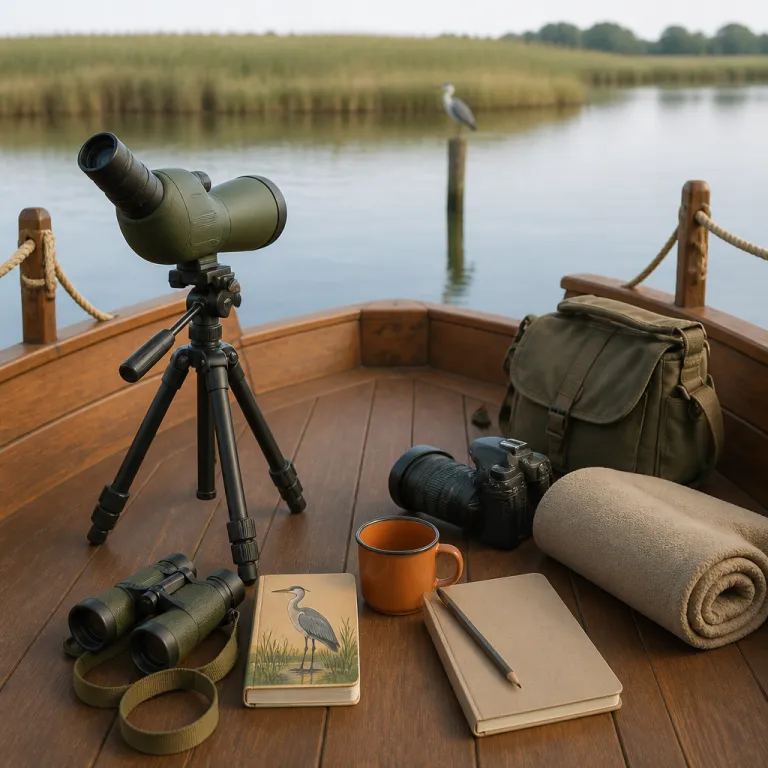
For gear, a solid pair of binoculars and a field guide to local bird species are non negotiable, and a lightweight tripod with a spotting scope is a smart addition if you are sharing a deck. Keep your birding gear in a single dry bag near the bow, so you can move quietly when a bird appears instead of clattering through the cabin. Many experienced travelers also keep a notebook or digital list of species of birds seen from the boat, which sharpens your eye for behavior and habitat patterns over the course of the houseboat trip.
Where possible, hire a local birding guide for at least one day, ideally early in your stay. Their knowledge of places where birds gather, from specific nests on the shoreline to favored sandbars for terns and gulls, will accelerate your learning curve and help you connect with nature more quickly. For a deeper sense of waterside hospitality between outings, consider pairing your stay with refined shore based experiences such as the waterfront dining highlighted in this review of a lakeside boat house restaurant, which shows how thoughtful service and setting can echo the calm precision of a well run birding boat.
Mindset, ethics and choosing the right houseboat stay
The most memorable houseboat birdwatching wildlife moments rarely come from chasing a target list. They arrive when you let the boat sit still, accept the pace of the water and allow the birds and other wildlife to approach on their own terms. That slow looking mindset turns a simple houseboat into a lens on the natural environment, where every ripple and call tells you something about behavior and habitat rather than just ticking off another bird species.
Ethical choices matter, because the places where birds thrive are often delicate ecosystems shaped by low water channels, shifting sandbars and vulnerable nests on the shoreline. Choose eco friendly operators who limit engine use, manage waste responsibly and brief guests on how to move quietly on deck, so your experience will support the same species of birds you have come to see. When you read property descriptions, look for details about how close the mooring lies to feeding areas, what kind of wildlife safari style excursions are offered and whether long legged waders, white egrets or other signature birds are regular visitors rather than rare treats.
For solo travelers, the right houseboat birdwatching wildlife stay feels like a private hide that just happens to have crisp linen and a well stocked galley. You will find that the gentle rocking of the boat, the calls of birds at dawn and the changing light over the lake or estuary quietly reset your sense of time. Years ago, many of these places for birds were known only to local fishers, but today a carefully chosen houseboat trip lets you catch a glimpse of that same intimacy with the water while still enjoying the comforts expected from a premium stay.
FAQ
Is a houseboat better than a hotel for bird watching ?
For dedicated bird watching, a moored houseboat often outperforms a traditional hotel near the water. You sit at the same level as the birds, with fewer people and less noise, so behavior and habitat appear more natural. This makes it easier to connect with nature and observe a wider range of bird species over several days.
What time of day is best for houseboat birdwatching wildlife ?
Dawn is usually the prime window for houseboat birdwatching wildlife, because many birds feed actively in the first light. Late afternoon into early evening is the second key period, especially on lakes and estuaries. Midday can still be rewarding, but activity often slows as birds rest in shaded places along the shoreline.
What gear should I bring for a bird focused houseboat trip ?
Bring quality binoculars, a regional field guide to bird species and a notebook or app for logging sightings. A lightweight tripod and spotting scope help with distant birds on open water or wide lake surfaces. Neutral clothing, a hat and a dry bag for your birding gear will keep you comfortable and ready on deck.
How can I make my houseboat stay more eco friendly while watching wildlife ?
Choose operators who minimize engine use, manage waste carefully and respect no wake zones near nests on the shoreline. On board, keep noise low, avoid feeding wildlife and use biodegradable products where possible. These small decisions protect the natural environment and ensure that species of birds continue to use the area as safe habitat.
Do I need a professional guide for birding from a houseboat ?
A professional birding guide is not essential, but one good session early in your stay can transform the rest of your trip. Guides know the best places for birds, can explain subtle behavior and habitat details and help you identify similar looking species quickly. After that, you can spend time observing on your own with much more confidence and insight.