Reading marine weather and choosing the right day to cast off
Luxury houseboat holidays live or die by the weather forecast you read before leaving the dock. When you are planning a family trip, the most important part of any houseboat first timer handling guide is learning how marine weather shapes the entire day on the water. Calm wind, settled river conditions and generous daylight will help first timers feel in control rather than rushed.
Check a dedicated marine weather service for your chosen state, then compare that forecast with what your houseboat operator explains during the pre departure briefing. You want wind speeds that keep the vessel steady, clear visibility for reading navigation lights at dusk and no severe changes predicted in the time you expect to be boating. If the forecast looks marginal, a premium booking platform makes it easy to shift your time boat plan and enjoy an extra night moored in comfort instead.
Families often worry that they must leave on the first day regardless of conditions, but reputable operators will help you decide when to stay on the dock. A good houseboat first timer handling guide always says that choosing not to move the boat is sometimes the best boat handling decision. When in doubt, ask the base team to walk you through the latest weather forecast and marine weather charts ; their boater education will help you understand how wind against current feels under a heavy water boat.
On rivers such as the Murray in Australia, the Lot in France or the St. Johns in Florida, gentle flow and stable levels make life easier for a new boater. If this is your first time on any vessel, aim for a short first boat outing, then return to the dock before late afternoon so you can learn boat responses without pressure. That rhythm gives boat owners in training the confidence to extend their range on the second day, when everyone already knows where the life jackets and other safety equipment are stored.
Luxury houseboat booking sites increasingly flag “easy handling” stretches of river, which is invaluable for first timers travelling with children. Look for itineraries where the operator limits boat water traffic, offers clear boating safety charts and provides a direct line to a coast guard equivalent or local rescue service. Reading these details carefully will help you select the best boats for your family’s first trip, rather than simply choosing the shiniest vessel on the screen.
For a deeper sense of how a relaxed schedule transforms a floating stay, explore how shifting your work week to a houseboat changes the pace of each time boat outing on this guide to moving your Monday to a houseboat. That kind of slow travel mindset is exactly what keeps a first boat experience calm, because you never feel forced to push through marginal marine weather. When the family knows that staying moored with a good book is as valid as cruising, everyone relaxes into the rhythm of the water.
Working locks and currents without drama for new boaters
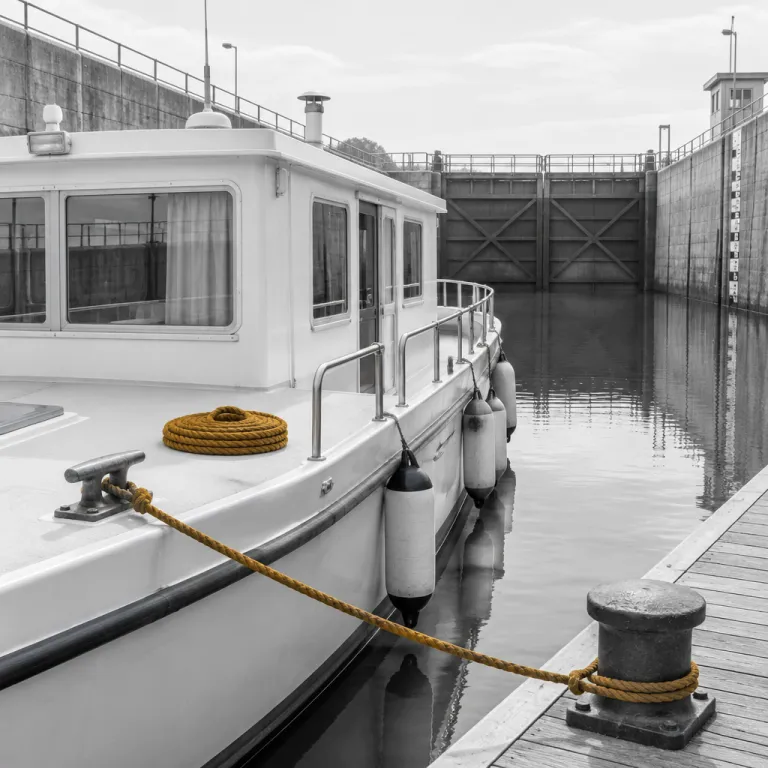
Locks look theatrical from the quay, but from the helm they are a slow, methodical process that rewards patience over bravado. Any serious houseboat first timer handling guide will explain that a lock is simply a water elevator that raises or lowers your vessel between two sections of river. When you understand the sequence and assign each family member a clear role, the whole boating ritual becomes almost meditative.
Before you reach the first lock on your trip, brief the crew while you are still on open water. Explain who will step ashore with the line, who will manage fenders and who will keep an eye on smaller children so the boater at the helm can focus on boat handling. Many luxury operators share short boater education videos that show the lock keeper’s signals, the correct use of navigation lights near the gates and the safest way to pass lines around bollards.
As you approach, throttle back early so the boat glides in at walking speed, which is the best pace for first timers. One adult steps ashore with a midships line when the vessel is alongside the wall, then secures it to a cleat while the person on board keeps the time boat steady with gentle engine inputs. This one person ashore method keeps the houseboat close to the wall without anyone needing to jump, which is a key boating safety principle for families.
Inside the lock, keep children seated and away from the edge, because changing water levels can surprise even a confident boater. The person ashore adjusts the line as the water rises or falls, while the helm keeps the engine in neutral and watches how the vessel moves. When the gates open, wait a few moments for turbulence to settle, then ease the water boat forward slowly so you do not bump other boats.
On premium rivers such as the Canal du Midi or the Thames, lock keepers are used to guiding a first time crew through the process. Do not hesitate to tell them this is your first boat passage ; their advice will help you refine your boat handling with each lock. For families who love wildlife, pairing gentle lock navigation with early morning cruising can turn the bow into a floating hide, especially if you follow this specialist guide to birdwatching from the bow on a houseboat stay.
Currents deserve the same calm respect as locks, particularly when your vessel turns across the flow. A thorough houseboat first timer handling guide will help you learn boat responses by practising gentle turns in open water before you ever approach a narrow bridge or lock entrance. By the second day, most first timers find that reading the river and lining up the boat feels natural, especially when they remember that slow, deliberate movements keep everyone safe.
Mooring, casting off and line handling for premium family crews
Arriving at a new mooring is the moment when a houseboat feels most like a private waterfront residence. For a nervous boater, though, this is also where a houseboat first timer handling guide earns its keep, because good boat handling at the dock sets the tone for the entire stay. The aim is always the same ; bring the vessel alongside gently, secure it with minimal fuss and step ashore without drama.
Start by briefing the crew ten minutes before you reach the dock or riverbank, while you still have time to adjust. Assign one person to manage fenders, another to handle the bow line and a third to take the stern line, keeping children clear of any cleats or moving ropes. On a luxury booking, the operator will help you learn boat techniques such as using a midships spring line, which stops the boat from surging forward or back when other boats pass.
Approach your chosen spot at a shallow angle, with the wind and current in mind, then ease the throttle back so the boat almost coasts. When the bow is a step away from the dock, the designated crew member steps ashore with the line, never jumping, and secures it to a cleat before the stern comes in. This one person ashore method is central to many professional boating safety courses, because it keeps the time boat under control even if the wind gusts.
Once the vessel is secure, take a moment to check that the fenders sit between the hull and the dock at the right height. Luxury houseboat operators often provide clear diagrams in their boater education packs, showing the best way to run lines so they do not chafe or trip anyone on deck. Keeping the deck clear of loose ropes is a simple habit that will help prevent falls, especially for children moving between the salon and the water.
When you are ready to leave, casting off is simply the same process in reverse, done slowly. Untie the stern line first, then the bow, keeping one line on until the helm has gently moved the boat away from the dock and into clear water. If you want a deeper technical walkthrough, this refined guidance on taking the helm on a luxury houseboat stay pairs well with any houseboat first timer handling guide, especially for guests considering buying a first vessel of their own.
Premium booking platforms sometimes highlight moorings with easy access for a first time crew, such as finger pontoons or wide quays with low freeboard. Choosing these for the first day or two will help you build confidence before you attempt a rustic riverbank or a busier town dock. By the end of the trip, many first timers are already talking about buying a first boat, simply because the once intimidating act of coming alongside now feels like a quiet, practiced ritual.
Onboard systems, safety equipment and calm routines for families
Luxury houseboats hide a surprising amount of technology beneath their polished decks. A reliable houseboat first timer handling guide treats these systems as part of boat handling, because understanding gas, fresh and grey water, the heads and the batteries keeps the vessel safe and comfortable. When you know how everything works, you stop worrying about what might fail during the night.
During the handover, ask the base équipe to walk you through the control panel, the shore power connection and the main battery switches. Note how the water pump sounds, where the gas shut off valve sits and how to check tank levels, then repeat the process yourself so you learn boat routines by doing. Many operators provide laminated checklists that show the best order for closing down the boat at night, including switching on navigation lights if you expect to be on deck after dark.
For families, safety equipment deserves the same calm, methodical attention. Ensure that every child has a correctly sized life jacket and that they wear it whenever they are on deck or near the water, not just when the boat moves. A thoughtful houseboat first timer handling guide frames this as a normal boating safety habit, not a sign of anxiety, which helps children accept the rule without fuss.
Walk the deck together and agree on clear rules about where children may sit while the vessel is under way, where they may not stand and how they should move when lines are being handled. Explain what a man overboard situation means in simple language, then show them how staying still and shouting for an adult will help the boater at the helm turn the boat water safely. Keeping the deck free of toys, loose lines and clutter is one of the best ways to avoid slips, especially when early morning dew makes surfaces slick.
In many cruising regions, the coast guard or an equivalent authority publishes local boating safety guidance, which your operator will help you interpret. Take a few minutes to read these notes, paying attention to speed limits, no wake zones and any state specific rules about navigation lights or life jacket use. Treating this as part of the luxury experience, rather than an administrative chore, sets a reassuring tone for the entire trip.
Finally, remember that a well briefed family is the greatest asset a first time boater can have. When everyone knows how to switch off the gas, where the fire extinguishers are and how to raise help by phone or radio, the houseboat feels less like a mysterious vessel and more like a familiar holiday home. That sense of shared competence is exactly what turns first timers into relaxed boat owners in the making, already planning which river they will explore next.
What the operator handles, and how first timers quietly gain confidence
Premium houseboat booking platforms curate operators who understand that fear of getting it wrong keeps many families ashore. A well structured houseboat first timer handling guide explains that you are not being handed a vessel and left alone ; the base team remains a partner in your boating safety from the first briefing to the final dock. Knowing where their responsibility ends and yours begins is the key to a calm trip.
Before departure, the operator will help you with route planning, explaining which stretches of river suit a first time crew and which locks or bridges deserve extra attention. They will show you how to read the weather forecast, how to interpret local marine weather bulletins and how to adjust your time boat plan if conditions change. Many also offer optional boater education sessions, where an instructor joins you for the first hour to demonstrate boat handling in real situations.
During the trip, you remain the boater in command, but you are never truly alone on the water. A phone call to the base can clarify whether a rising wind means you should stay at your current dock, or whether a minor technical issue with the water pump is normal. Some regions even allow operators to liaise with the coast guard or local river authorities on your behalf if you need advice about closures or changing depths.
What you control directly is the pace of each day, the way you brief your crew and the habits you build around safety equipment and deck discipline. A thoughtful houseboat first timer handling guide encourages you to start with short hops between moorings, leaving plenty of time to settle in before evening. That rhythm will help first timers absorb each new skill, from reading navigation lights at dusk to judging how the boat water feels under the hull when a larger vessel passes.
By the final days, many guests realise that the once intimidating acts of leaving the dock, entering a lock or turning in a narrow river now feel almost routine. They have learned to listen to the vessel, to the wind and to the quiet cues of the water, which is the essence of good boat handling. At that point, talk often turns to boat first dreams and buying a first craft of their own, not as an impulsive fantasy but as a considered next step.
For families booking through a luxury platform, that progression from anxious first timers to confident temporary boat owners is the real measure of value. The polished cabins, fine linens and well stocked galleys matter, of course, but the deeper luxury lies in feeling utterly at ease on the water. A clear, honest houseboat first timer handling guide, backed by a responsive operator, is what makes that transformation possible, one unhurried river mile at a time.
FAQ
Is a houseboat holiday suitable for a family with no boating experience ?
Yes, provided you choose an operator and itinerary designed for first timers and follow a clear houseboat first timer handling guide. Look for calm rivers, limited current and routes with simple locks or easy moorings. A thorough handover, access to support and good safety equipment make a first time family crew both safe and comfortable.
How long should our first houseboat trip be ?
For a first boat experience, three to five nights usually offers the best balance between learning and relaxation. That duration gives you time to practise boat handling, locks and mooring without feeling rushed. Shorter weekends can work, but a slightly longer trip will help everyone settle into the rhythm of life on the water.
Do I need a boating licence or formal boater education ?
Requirements vary by state and country, so always check local rules before booking. Many classic houseboat regions allow first timers to cruise without a licence, provided they complete a safety briefing and follow operator guidance. Where a licence or online boater education course is mandatory, reputable booking sites will explain the process clearly during reservation.
What are the essential safety rules for children on board ?
Children should wear properly fitted life jackets whenever they are on deck or near the water, whether the vessel is moving or not. Agree clear rules about where they may sit, how they move during docking and that they must stay away from lines under tension. Keeping the deck tidy and involving them in simple routines, such as stowing gear, will help them understand boating safety without feeling frightened.
What happens if the weather turns bad during our trip ?
If marine weather deteriorates, the safest option is usually to stay at your current dock or seek the nearest sheltered mooring. Contact the operator for advice, check the latest weather forecast and avoid moving the boat in strong winds or poor visibility. A flexible itinerary and an extra book or board game on board turn such pauses into part of the houseboat experience rather than a disruption.