Why unique accommodation selling points matter for luxury houseboats
Choosing a floating retreat instead of a traditional hotel reshapes how guests connect with a destination. In a competitive hotel industry, clearly defined unique accommodation selling points help a houseboat stand out from hotels on land and attract a precise target audience. For travelers comparing one hotel room with another, a luxury houseboat must express why its rooms, amenities, and guest experience justify a premium rate.
In hospitality, “unique accommodation selling points” are often shortened to USPs, yet on water they become more than marketing language. They express how a property transforms a simple room into an immersive accommodation selling story that blends local culture, privacy, and tailored amenities hotel services. When a booking engine presents several hotels side by side, these USPs guide potential guests toward the one experience that feels both rare and reassuringly well managed.
Houseboat management teams operate much like hotel management, but they must provide additional reassurance around safety, access, and comfort. The marketing team then translates these operational strengths into clear selling points that speak to both leisure and business travelers seeking a unique accommodation. In a market where lifestyle hotels and every luxury hotel compete for attention, a refined houseboat must position its hotel amenities and rooms as a serene alternative rather than a compromise.
Data from recent hotel industry reports show that average hotel occupancy rates remain strong, which intensifies competition for every guest. This pressure makes it essential to articulate each unique selling angle, from free extras to curated local experiences, so that guests perceive the property as more than another entry in their next hotel booking search. Done well, these unique selling elements turn first time visitors into loyal guests who return season after season.
Design, layout, and amenities that define a luxury houseboat hotel
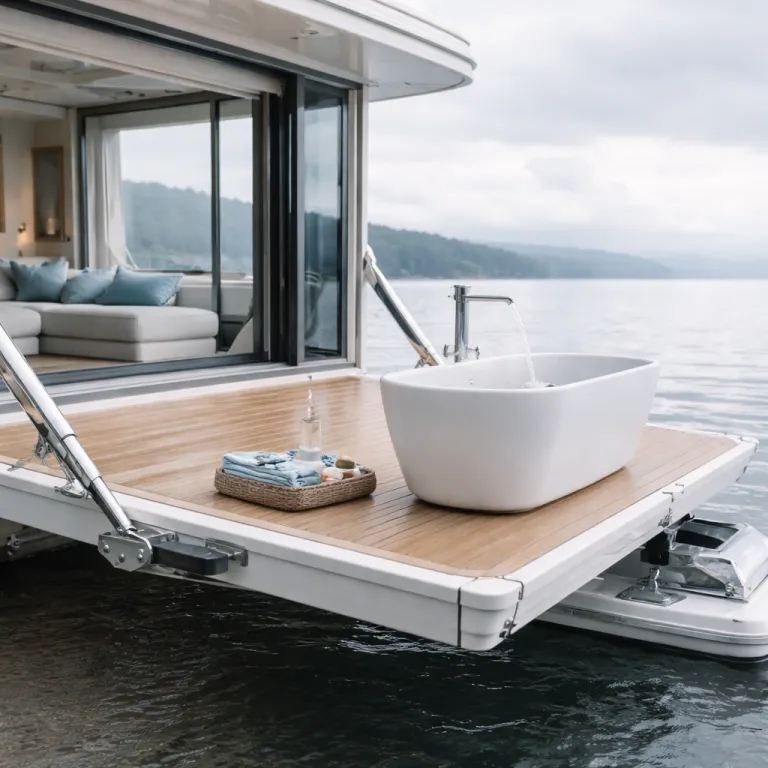
The physical design of a luxury houseboat functions as its first and most visible set of unique accommodation selling points. Unlike many hotels, a houseboat must balance elegant interiors with marine engineering, ensuring every room feels stable, quiet, and refined even when moored in a busy harbor. This careful layout allows the property to provide hotel rooms that feel as spacious and comfortable as those in lifestyle hotels, while still embracing the intimacy of life on the water.
Thoughtful hotel amenities elevate this design into a complete guest experience that rivals any luxury hotel on shore. High quality bedding, generous storage, and well insulated walls turn compact rooms into restful sanctuaries, while spa inspired bathrooms and rainfall showers become central selling points. When amenities hotel features such as underfloor heating, air conditioning, and sound systems are integrated seamlessly, guests perceive the accommodation as both indulgent and reassuringly practical.
Shared spaces also contribute to the property identity and its accommodation selling narrative. A salon with panoramic windows, a small library of local culture titles, and a terrace for sunrise coffee all become unique selling moments that hotels on land cannot easily replicate. These areas allow each guest and group of guests to enjoy privacy when needed, yet still feel part of a curated floating community.
Technology plays a subtle but important role in reinforcing these USPs without overwhelming the sense of escape. Smart lighting, high speed Wi Fi, and discreet entertainment systems ensure that business travelers can work efficiently, while leisure guests can stream content or plan excursions. When the booking engine highlights these hotel amenities alongside evocative photography, potential guests quickly understand how the rooms and public areas together create a cohesive, luxury focused hotel experience.
Immersive local culture and curated guest experience on the water
One of the strongest unique accommodation selling points for houseboats is their direct relationship with local culture. Moored in characterful canals or harbors, these properties place guests within walking distance of markets, galleries, and restaurants that define the city’s daily rhythm. This proximity allows the hotel management team to provide a guest experience that feels more like staying with a well connected local host than in anonymous hotels.
Collaboration with local artisans further enriches this accommodation selling story and differentiates the property from conventional boutique hotels or lifestyle hotels. Handcrafted ceramics, textiles, and artworks displayed in the rooms and hotel rooms become tangible expressions of the destination’s creative scene. As one expert notes, “Distinctive design, personalized services, and exclusive amenities.” These elements together transform a simple hotel room into a gallery like space that still feels warm and livable for every guest.
Curated experiences extend beyond décor and into daily life on board and ashore. The marketing team can design itineraries that pair sunrise yoga on deck with guided walks through historic neighborhoods, or private tastings with nearby restaurants that champion local culture. Such programs provide both leisure and business guests with memorable stories, reinforcing the property’s unique selling promise long after check out.
To support these experiences, amenities hotel services might include complimentary bicycles, public transport passes, or access to local tour operators. These free or added value touches become powerful selling points when highlighted clearly in hotel booking descriptions and pre arrival communication. Over time, positive reviews from potential guests turned loyal visitors help the property secure its place in a crowded hotel industry, proving that a carefully curated guest experience can rival even the most established luxury hotel brands.
Service excellence, personalization, and the power of unique selling
Service on a luxury houseboat must feel as polished as in the finest hotels, yet more intimate and anticipatory. With fewer rooms than many hotels, the team can recognize each guest by name, remember preferences, and adapt hotel amenities accordingly. This level of personalization turns basic amenities hotel offerings into tailored gestures that strengthen the overall guest experience and reinforce the property’s unique accommodation selling points.
From the first interaction with the booking engine, communication should reflect clarity, warmth, and expertise. Pre arrival messages can outline what is included free of charge, such as breakfast, Wi Fi, or concierge style support for restaurant reservations and cultural tickets. When potential guests see these selling points presented transparently, they are more likely to complete their hotel booking and less likely to compare prices endlessly across other hotels and boutique hotels.
On board, staff training focuses on reading subtle cues and responding before a guest needs to ask. A guest returning from a long day exploring local culture might find herbal tea waiting in the salon, while a business traveler could be offered a quiet corner with strong connectivity. These small but meaningful touches transform the accommodation selling narrative from abstract marketing language into lived reality for each guest and group of guests.
Feedback loops are essential to refine these unique selling elements over time and maintain a leadership position within the hotel industry. Hotel management can use CRM tools and analytics platforms to track which hotel amenities and experiences generate the strongest reviews and repeat bookings. By continuously aligning service standards with the expectations of their target audience, luxury houseboat operators ensure that their unique accommodation remains relevant, desirable, and commercially resilient against both traditional hotels and emerging lifestyle hotels.
Digital storytelling, booking engines, and market positioning for houseboats
In a crowded online market, even the most exceptional property needs precise digital storytelling to communicate its unique accommodation selling points. High quality photography, immersive video, and clear copy help potential guests visualize the rooms, hotel amenities, and surrounding local culture before they commit. Many successful operators now complement this content with virtual reality tours of the hotel style interiors, allowing viewers to explore rooms and shared spaces as if already on board.
The booking engine plays a central role in translating this storytelling into confirmed hotel booking numbers. It should present room categories, amenities hotel inclusions, and free extras in a way that feels intuitive for both leisure and business travelers. When the interface highlights unique selling advantages such as water level views, private terraces, or exclusive access to local experiences, guests can quickly compare these USPs with those of nearby hotels and boutique hotels.
Strategic partnerships further strengthen the accommodation selling narrative and extend the property’s reach into new segments of the hotel industry. Collaborations with local tour operators, art galleries, and restaurants allow the houseboat to provide curated packages that appeal to a sophisticated target audience. For example, a stay on an elegant canal boat in Amsterdam can be positioned as a refined alternative to lifestyle hotels through carefully chosen anchor text such as elegant houseboat rentals in Amsterdam for a refined canal stay.
Marketing teams should also monitor performance indicators such as occupancy rates, length of stay, and direct booking ratios to evaluate which selling points resonate most strongly. Insights from these metrics help refine both the digital presentation of hotel rooms and the real world guest experience on board. Over time, this data driven approach ensures that the property’s unique accommodation remains aligned with evolving traveler expectations and maintains a clear edge over conventional hotels in the same market.
Practical tips for travelers choosing a luxury houseboat over traditional hotels
For travelers comparing a luxury houseboat with more familiar hotels, a structured approach can clarify which option offers the best value. Begin by listing the unique accommodation selling points that matter most, such as privacy, proximity to local culture, or specific hotel amenities. Then compare how each property, whether on water or land, addresses these priorities through its rooms, amenities hotel services, and overall guest experience.
When reviewing descriptions, pay close attention to how clearly the accommodation selling narrative is expressed. Look for details about room size, bed configuration, and bathroom design, as well as any free inclusions like breakfast, bicycles, or cultural passes. Transparent communication around these selling points signals that hotel management understands the expectations of a discerning target audience and is confident in the quality of its hotel rooms.
It is also wise to consider practical aspects that may not appear in every hotel booking summary. Check access routes from the nearest station or airport, and confirm how luggage is handled between the quay and the property. Guests who plan to work during their stay should verify connectivity speeds and quiet spaces, while those focused on leisure can prioritize unique selling experiences such as private cruises, chef hosted dinners, or collaborations with local artisans.
Finally, read recent reviews with an eye for consistency in comments about service, cleanliness, and comfort. Patterns in guest feedback often reveal whether the advertised unique accommodation selling points are consistently delivered in practice. By weighing these insights against the offerings of nearby hotels, lifestyle hotels, and even some boutique hotels, travelers can select the floating property that best aligns with their personal definition of luxury and their expectations for a memorable stay.
Key statistics that highlight the value of unique accommodation selling points
- Average hotel occupancy rates in many urban markets hover around 75 %, underscoring the importance of clear unique selling strategies for every property.
- Bookings for character driven properties, including many boutique hotels and lifestyle hotels, have risen by approximately 20 %, reflecting growing demand for unique accommodation experiences.
- Houseboats and other alternative stays that articulate strong accommodation selling narratives often achieve higher guest satisfaction scores than standard hotels in the same price bracket.
Essential questions travelers ask about unique accommodation selling points
What makes a hotel unique ?
“What makes a hotel unique?” is answered clearly in expert guidance as follows ; “Distinctive design, personalized services, and exclusive amenities.” For a luxury houseboat, this means architecture that embraces the water, service that anticipates needs, and hotel amenities tailored to the setting. Together, these elements create a guest experience that standard hotels rarely match.
How can hotels attract more guests ?
Experts state ; “How can hotels attract more guests? By offering unique experiences, exceptional service, and effective marketing.” For houseboat operators, this involves crafting memorable on board moments, maintaining impeccable service standards, and using a booking engine and digital channels to communicate these selling points. When potential guests see this alignment, they are more likely to choose the property over competing hotels.
Why are unique selling points important for hotels ?
The guidance “Why are unique selling points important for hotels? They differentiate the hotel from competitors and attract target audiences.” applies directly to luxury houseboats. Clear unique accommodation selling points help the property stand out among hotels, lifestyle hotels, and boutique hotels, while also attracting guests who value authenticity and comfort. This differentiation supports both occupancy and long term brand loyalty.
