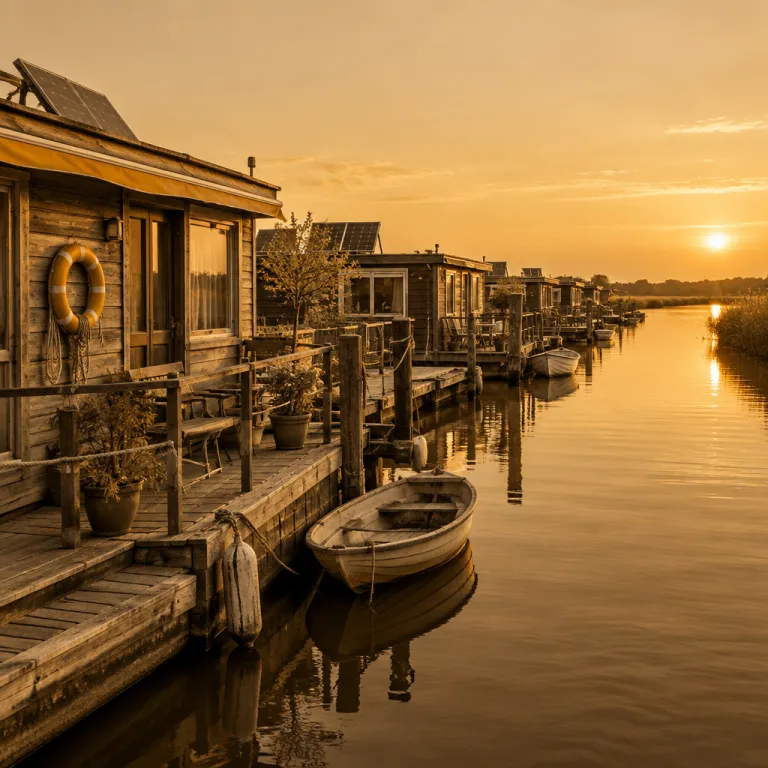
Why waterways sit at the front line of sustainability
World Tourism Day lands like a quiet bell over the water. It asks whether sustainable houseboat tourism can grow without eroding the very rivers, canals and backwaters that draw discerning tourists in the first place. On a luxury booking website, that question should sit beside the room photos and the wine list.
Nowhere is the tension sharper than in the kerala backwaters, where traditional kettuvallam boats glide past rice paddies and village jetties. This is one of the most emblematic backwater tourism regions in kerala state, and it shows how tourism can lift local communities while straining fragile ecosystems at the same time. The same pattern repeats on Amsterdam’s canals, on the Dal Lake shikaras and on the Saône péniches, wherever houseboat tourism becomes a pillar of the tourism industry.
Waterways are closed systems, so every litre of grey water and every drop of fuel matters. When dozens of houseboats cluster on a narrow backwater, the environmental impact multiplies quickly and silently beneath the surface. A single diesel boat idling at the jetty feels harmless, but a fleet of boats running air conditioning all afternoon can shift oxygen levels, disturb wildlife and undermine sustainable tourism goals.
Recent tourism kerala policy debates have focused on waste management and fuel standards for kerala houseboats. Officials in kerala state now talk openly about caps on boat numbers, stricter rules for friendly houseboats and better data collection on water quality. For travellers, this is not abstract regulation ; it is the difference between waking to birdsong over clear water and watching plastic bags drift past the deck of an otherwise friendly houseboat.
The real promise of sustainable houseboat tourism
When done well, sustainable houseboat tourism offers something land based stays rarely match. You move slowly, you stay close to local life, and your boat becomes a floating house that breathes with the tides and the wind. For business travellers stretching a trip into leisure, that shift in pace can feel like a reset rather than another hotel corridor.
On the kerala backwaters, the most sustainable houseboat operators treat each cruise as a form of responsible tourism rather than a floating party. They hire from nearby villages, source fish and vegetables from local communities and time their routes to avoid the busiest stretches of backwater during peak hours. In return, tourists get quieter water, cleaner air and a more nuanced sense of place than any drive by excursion can offer.
The same logic applies on urban canals, where eco friendly houseboats with solar panels and efficient hulls can reduce both noise and emissions. A well designed sustainable houseboat uses less energy than many city apartments, especially when solar panels feed batteries that power lighting, induction cooking and silent electric propulsion. For travellers who care about environmental impact, this is where life on the water starts to align with the broader goals of sustainable tourism.
World Tourism Day is also a reminder that living on water as climate strategy is no longer a fringe idea. Floating homes and long term moorings are part of how some cities adapt to rising water levels, and the most thoughtful projects keep tourism, housing and ecology in the same conversation. If you are curious about how this looks in practice, our guide to living on water as climate strategy explains why the line between holiday boat and permanent house is starting to blur.
Where houseboat tourism goes wrong – and how better looks
Luxury on the water turns problematic when the engine never rests and the tap never stops. In parts of the kerala backwaters, a rapid rise in houseboats kerala wide has brought diesel haze, untreated grey water and visible waste along once quiet canals. The same pattern appears wherever tourism outpaces planning, and where data on carrying capacity lags behind the marketing.
Several environmental study projects in kerala state have documented how unregulated houseboat tourism increases nutrient loads, disturbs bird nesting sites and accelerates bank erosion. One widely cited case study on backwater tourism showed that even eco friendly branding means little if waste management systems are undersized or rarely emptied. When friendly houseboats discharge dishwater and detergent directly into the backwater, the environmental impact accumulates in ways that are hard to reverse.
Better practice is not theoretical ; you can already book friendly houseboats that run on hybrid or fully electric propulsion. These boats pair solar panels with shore power charging, use holding tanks for all waste water and limit generator use to short windows, which dramatically cuts noise and fumes. On board, you will often find filtered drinking water, refillable amenities and menus built around local, seasonal produce rather than imported excess.
For travellers who want proof rather than promises, look for operators who publish clear data on fuel use, water treatment and economic benefit to nearby villages. Some of the most advanced projects resemble an off grid and afloat laboratory, similar in spirit to a LEED Platinum level houseboat where every system is measured and optimised. When a friendly houseboat shares its own case study on long term performance, you can see whether sustainable claims translate into real reductions in environmental pressure.
How to book responsibly on a luxury houseboat platform
For an executive planning a kerala houseboats escape around World Tourism Day, the most powerful decisions happen before you ever step on board. A luxury booking website can surface sustainable houseboat options, but you still need to read between the lines of the glossy photography. The right questions, asked early, turn responsible tourism from slogan into practice.
Start with propulsion and power, because engines shape both noise and emissions on the water. Ask whether the boat uses electric or low sulphur diesel, how often generators run and how much energy comes from solar panels on the roof. If an operator cannot provide basic data on fuel consumption and battery capacity, their commitment to eco friendly practice is probably shallow.
Next, focus on water and waste, which are the quiet fault lines of every floating house. Responsible operators will explain their waste management system, including how black water and grey water are stored, treated and discharged on shore rather than into the backwaters. They should also outline how solid waste is separated, how plastic is minimised and how cleaning products are chosen for low environmental impact.
Finally, look at the economic and social side of sustainable houseboat tourism, because long term viability depends on more than technology. Ask how many staff come from local communities, how training works and what share of revenue stays within kerala state or the region you are visiting. Our guide to what affects the real cost to rent a boat can help you weigh premium pricing against genuine benefits for both people and place.
FAQ
How can I tell if a houseboat operator is genuinely sustainable ?
Look for specific, verifiable information rather than vague eco friendly language. Serious operators explain their fuel type, energy mix, waste management systems and how they handle grey water and black water away from the backwater itself. They also share data on staff hiring from local communities and may publish a simple case study on their environmental impact over the long term.
Are kerala backwaters still a good choice for responsible travellers ?
The kerala backwaters remain one of the most atmospheric waterways for slow tourism, but they require careful choices. Focus on smaller kerala houseboats or houseboats kerala operators that limit guest numbers, use solar panels and modern engines, and work closely with nearby villages. When tourists reward these practices through their bookings, the tourism industry in kerala state has a stronger incentive to protect both water quality and local economic resilience.
Do luxury features on houseboats always mean a higher environmental impact ?
High service standards do not automatically translate into higher emissions or waste. A well designed sustainable houseboat can offer premium bedding, attentive service and refined dining while still using efficient systems, renewable power and robust waste management. The key is whether the operator has invested in modern boats, trained a qualified équipe and aligned their economic model with responsible tourism rather than volume.
What questions should I ask before booking a business and leisure houseboat stay ?
Ask about propulsion type, generator hours, and how much energy comes from solar panels or shore power. Request details on how the house handles water use, including showers, laundry and dishwashing, and how all forms of waste are treated on land. Finally, check whether the operator supports local communities through employment, sourcing and long term partnerships rather than short seasonal contracts.
Is houseboat tourism better for the environment than staying in a hotel ?
Houseboat tourism can have a lower environmental footprint than some land based stays, especially when boats are energy efficient and guest numbers are capped. However, in sensitive backwaters and canals, even small amounts of pollution or bank erosion can be serious, so responsible tourism practices matter more than the accommodation label. The most sustainable option is usually a friendly houseboat or small fleet that publishes clear data, respects local limits and treats the water as a shared, finite resource.