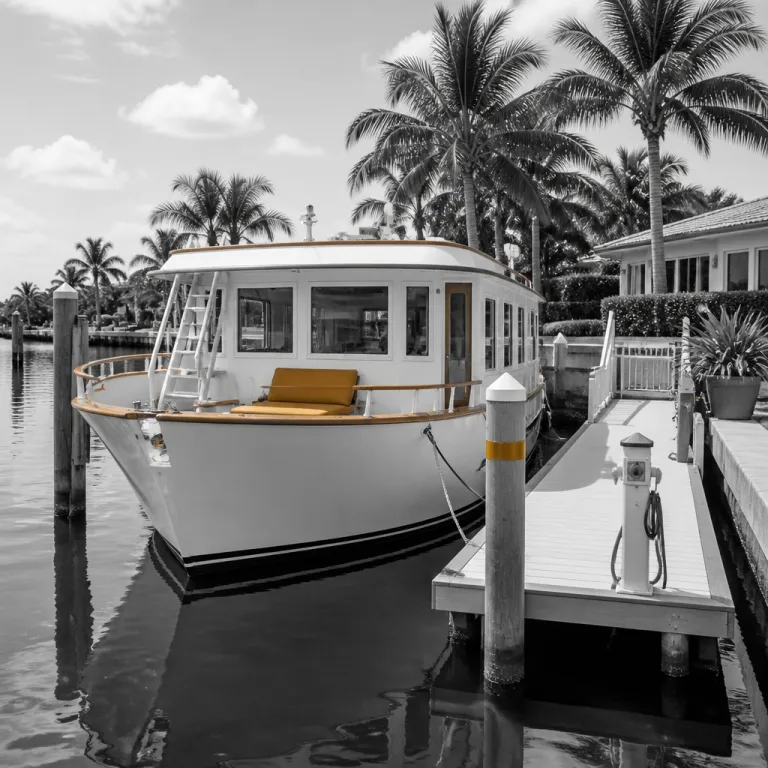
How Florida law views the boat slip behind your luxury houseboat
When you book a luxury houseboat in Florida, the quiet question often lurking is whether the boat slip behind it is treated as real property or just a temporary perk. For travellers who are also potential buyers of waterfront estate, understanding if a boat slip is real property in Florida shapes how you read listings and evaluate long term value. This matters whether you are eyeing a weekend in Palm Beach or considering a deeded boat slip that could anchor your future holidays.
Under Florida law, the answer to “is a boat slip real property in Florida” depends on ownership structure and physical connection to land. Florida courts and property appraisers generally echo the principle that “ownership structure and attachment to land determine classification.” When a slip is tied to a recorded deed within a condominium or dockominium, that boat slip is usually treated as real estate, and it becomes part of your property interest rather than just a space where slips rented change hands each season. Florida Statutes Chapter 718 (the Condominium Act) and Chapter 721 (timeshares) both assume that appurtenant docks and slips described in the declaration are interests in real property, while Chapter 253 on state lands governs how submerged land beneath many marinas is leased.
For guests browsing a premium booking website, this legal nuance shapes the experience more than you might expect. A marina with deeded slips often feels calmer, because slip ownership discourages chaotic short term rental churn and encourages careful docking etiquette. When you see a listing that mentions a deeded slip or deeded boat access, you are not just booking a boat; you are stepping into a carefully regulated real estate ecosystem that supports higher service standards.
Dockominiums, condominiums and the rise of deeded slips in Florida marinas
Across marinas Florida wide, a quiet revolution is reshaping waterfront hospitality and the way travellers meet the question “is a boat slip real property in Florida”. Traditional marinas with only slips rented by the month now sit beside dockominium projects where each boat slip is sold with a recorded deed, much like an apartment in a condominium. For high end houseboat guests, this shift means more predictable docking conditions, clearer rules and a more polished marina atmosphere.
In a dockominium, the slip ownership is usually tied to a condominium style association that manages common docks, utilities and amenities. Industry surveys and marina association reports consistently note that dockominiums classify boat slips as real property and that they are typically considered real property. That means these deeded slips fall under real estate rules, with property tax assessments, association dues and a governance structure that feels familiar to buyers used to waterfront estate in Palm Beach or Miami. A typical example is a Palm Beach dockominium where each recorded deed describes a specific slip as a condominium parcel, with voting rights, maintenance obligations and easements over the surrounding dock system.
For travellers, this legal framework translates into better maintained marinas and more consistent service levels. A marina where each deeded slip is part of a real property regime has strong incentives to keep facilities pristine, because owners protect their property interest and long term value. When you read about the floating hotel boom and how waterfront hospitality is rewriting the rules of travel, you are often seeing the visible face of this deeper legal and financial transformation in slips Florida wide.
What luxury houseboat guests should know about leases, remaining term and tax
Not every marina you encounter while booking a premium houseboat stay will rely on deeded boat slips or a condominium style deed. Many Florida marinas still operate on a lease model, where the marina operator holds a long term lease over submerged lands and then offers individual slips rented to boat owners or to houseboat operators. In these cases, the answer to whether a boat slip is real property in Florida is usually no, because leased boat slips are generally treated as personal property.
For guests, the remaining term of that underlying lease can subtly affect the stability of your favourite rental dock. A marina with only a short remaining term on its lease may face renegotiation risks, which can influence future rental prices, association dues for any linked association and even the availability of specific slips Florida travellers have come to love. When you see a luxury houseboat listing in Palm Beach or another high demand area, it is worth checking whether the docking arrangement is based on a long term lease or on a deeded slip structure. Florida Department of Environmental Protection guidance on sovereign submerged lands leasing explains that many marinas operate under Chapter 253 leases, which must be renewed and can be modified, adding another layer of timing risk.
Tax treatment also diverges sharply between these models, and that has downstream effects on nightly rates. Guidance from the Florida Department of Revenue indicates that real property slips are subject to ad valorem property taxes at the county level, while personal property interests are handled differently. Public summaries often describe Florida’s overall effective property tax rate as being around 1 percent of assessed value, but actual millage varies by county and city, so owners must review local tax rolls rather than relying on a single statewide figure. When a marina passes property tax and association dues through to operators of high end houseboat rentals, you may see slightly higher nightly prices, but you also benefit from the financial discipline that comes with real estate style accounting, similar to the refined waterfront escapes seen in floating homes in Seattle.
How real estate style slip ownership shapes the guest experience
When a boat slip is treated as real property in Florida, the guest experience on a luxury houseboat subtly changes. You are no longer just tying up a boat at a casual dock; you are entering a curated environment where real estate style rules govern noise, docking practices and even the aesthetics of the marina. This is especially visible in Palm Beach and other prestige coasts, where deeded slips sit beside manicured promenades and concierge style marina offices.
Real estate classification brings formal governance through an association that collects association dues, enforces a privacy policy and manages shared infrastructure. Because each deeded slip is backed by a recorded deed, owners have a strong property interest in keeping standards high, which benefits guests who value quiet nights and orderly docking. Industry commentary frequently highlights that real property slips are subject to property taxes and that the answer to “can boat slips be financed like real estate?” is yes, if classified as real property, and this financing capacity often funds better lighting, security and amenities.
For travellers comparing marinas Florida wide, this means you can read between the lines of a listing. If a houseboat rental notes that it is moored in a dockominium or condominium style marina with deeded boat slips, you can expect a more structured environment than in a casual harbour with only slips rented month to month. That structure supports the kind of seamless, hotel like service that many premium booking platforms now curate as carefully as they curate the design of the boat itself.
Eco conscious marinas, dockominiums and the future of luxury houseboat stays
Environmental regulation is another reason the question “is a boat slip real property in Florida” matters for luxury houseboat guests. The Florida Department of Environmental Protection oversees submerged land leases, and marinas with long term, clearly defined property interest often invest more confidently in eco upgrades. When a boat slip is part of a deeded dockominium or condominium, owners know that any capital spent on greener docking infrastructure will support both their real estate value and the guest experience.
Across marinas Florida travellers now encounter solar powered lighting, improved wastewater handling and even rainwater systems that echo the eco houseboat revolution. When a marina treats its slips as real property, financed like other real estate, it can amortise these investments over many years, aligning with the long term nature of slip ownership. Guests booking a premium houseboat through a specialist platform can therefore look for mentions of eco certified marinas, sustainable docking practices and recorded deed backed infrastructure as signals of quality.
For travellers who care about both comfort and impact, this convergence of real estate logic and environmental stewardship is good news. A deeded slip in Palm Beach that supports solar powered facilities and careful fuel handling offers a more refined stay than a basic rental dock with minimal oversight. If you want to go deeper into how sustainable infrastructure is reshaping life on the water, many platforms now highlight eco focused content about solar panels and rainwater harvesting that parallels what you will see in forward thinking Florida marinas.
Practical tips for reading listings on luxury houseboat booking platforms
When you scroll through a luxury and premium booking website for houseboats, the legal status of the boat slip rarely appears in bold type. Yet understanding whether a boat slip is real property in Florida can help you interpret subtle cues in the description, especially in high demand areas like Palm Beach. Look for phrases such as “deeded slip”, “dockominium marina” or “condominium style marina”, which signal that the slip ownership is tied to a recorded deed and treated as real estate.
If a listing mentions only “slips rented” or a flexible rental dock arrangement, you are likely dealing with personal property rather than real property. That does not mean a poor experience, but it may indicate more transient neighbours, a shorter remaining term on the underlying lease and less influence from owners with a long term property interest. Guests who value quiet, order and hotel like predictability often prefer marinas where deeded boat slips and association rules shape the daily rhythm.
It is also worth checking how the host explains fees beyond the nightly rate. References to association dues, property tax pass throughs or marina association rules suggest a more formal real estate framework behind the scenes. When a platform’s privacy policy and listing guidelines encourage hosts to disclose these details clearly, you gain the transparency needed to choose between a casual boat rental and a fully integrated waterfront estate style stay that aligns with your expectations.
From traveller to investor: when guests start thinking like buyers
Some guests arrive in Florida as travellers and leave as prospective buyers, especially after a memorable week on a beautifully moored houseboat. Once you start asking whether a boat slip is real property in Florida, you are already thinking beyond a simple rental and into the realm of estate planning and investment. In marinas Florida wide, operators report growing interest from guests who want to understand slip ownership, property tax exposure and the mechanics of a recorded deed.
Trade publications and marina association briefings note that the percentage of deeded boat slips in Florida is already significant, and that an increase in dockominium ownership is reshaping waterfront markets. For buyers, a deeded slip with clear real property status can be financed like other real estate, and the answer to “can boat slips be financed like real estate?” remains yes, if classified as real property. That financing capacity, combined with predictable association dues and transparent tax treatment, makes deeded slips attractive to travellers who want a long term base for recurring houseboat holidays.
For those considering this step, it is essential to work with real estate attorneys and marina associations who understand both hospitality and property law. They can explain how a deeded slip in Palm Beach differs from slips Florida wide that sit on shorter leases, and how property tax and association rules will affect your annual costs. As you move from guest to owner, the same attention to detail that guided your choice of boat and marina will help you build a waterfront lifestyle that feels as polished and reliable as your favourite luxury houseboat stay.
Key figures on Florida boat slips and real property status
- Industry estimates suggest that a substantial share of boat slips in Florida are deeded boat slips, according to the Florida Marina Association and similar trade bodies, which means many already function as real property within marinas.
- Florida Department of Revenue materials explain that county property appraisers set millage rates locally, so the effective tax burden on real property slips varies by jurisdiction rather than following a single statewide percentage.
- Rising property taxes on waterfront properties have encouraged more structured dockominium and condominium projects, as owners seek predictable association dues and shared maintenance of docking infrastructure.
- Growing interest in marina investments has led to more marinas Florida wide converting some slips rented on a monthly basis into deeded slip offerings, especially in high demand areas like Palm Beach.
- The Florida Department of Environmental Protection’s oversight of submerged land leases means that marinas with long term leases or clear recorded deed structures are better positioned to invest in sustainable docking facilities.
FAQ about Florida boat slips, real property and luxury houseboat stays
Is a boat slip considered real property in Florida?
Whether a boat slip is considered real property in Florida depends on how it is owned and attached to land. Florida real estate guidance consistently states that ownership structure and attachment to land determine classification, so slips held under a recorded deed in a dockominium or condominium are usually treated as real estate. By contrast, slips rented under short leases are typically personal property rather than real property.
Are leased boat slips treated as real estate for tax purposes?
Leased boat slips in Florida are not treated as real estate for tax purposes, because they are classified as personal property. Marina and tax advisors are explicit: when asked “are leased boat slips considered real property?” the answer is no, leased slips are personal property. This means property tax applies to the underlying real property owner, while the lessee usually faces rental charges rather than direct property tax bills.
Do dockominiums always classify boat slips as real property?
Dockominiums in Florida typically classify boat slips as real property, because each slip is tied to a recorded deed and governed by a condominium style association. Florida marina association materials confirm this with the statement that dockominiums classify boat slips as real property and that they are typically considered real property. For travellers, this usually translates into more structured marina rules and higher service standards around docking.
How does real property status affect taxation of boat slips?
When a boat slip is classified as real property in Florida, it becomes subject to property tax like other real estate. Florida Department of Revenue summaries note that real property slips are subject to property taxes, but the exact rate depends on local millage adopted by each county and municipality. Owners of deeded slips must budget for this property tax alongside association dues, which can influence pricing for luxury houseboat rentals moored there.
Can boat slips be financed like other real estate investments?
Boat slips can be financed like other real estate investments when they are classified as real property and backed by a recorded deed. Real estate lenders answer clearly: when asked “can boat slips be financed like real estate?” they note that yes, if classified as real property, traditional mortgage style financing may be available. This financing flexibility is one reason more buyers in marinas Florida wide are considering deeded slip ownership after experiencing high end houseboat stays.
