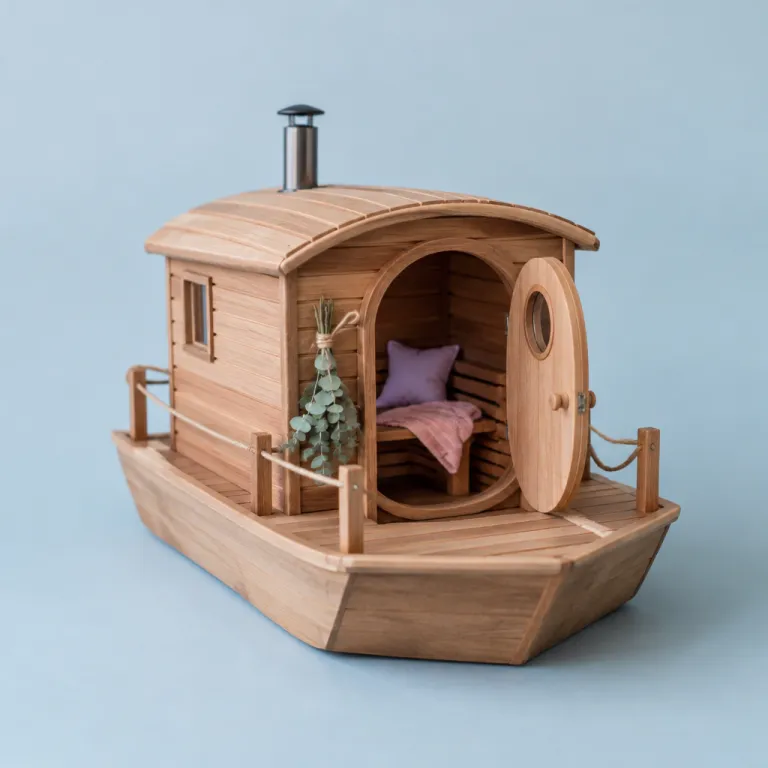
Why a houseboat feels different from any spa hotel
Step onto a quiet houseboat and the first thing you notice is the way the day slows down. The gentle sway of the boat, the soft slap of water against the hull and the filtered light across the cabin create a wellness atmosphere that no land based retreat can quite match. For couples used to busy hotels, this kind of houseboat wellness retreat feels like a private world built entirely around rest.
On a thoughtfully designed luxury houseboat, the setting is not a backdrop to a spa menu, it is the primary treatment for your mind and body. The white noise of water, the subtle motion and the absence of corridor traffic work together to calm the nervous system over time, which is why many people report deeper sleep after even a single day retreat on the water. A 2019 study in Current Biology, for example, found that gentle rocking during sleep can increase deep sleep and improve memory consolidation in adults, which helps explain why a floating stay can feel so restorative.
This is where a floating retreat diverges from a traditional wellness hotel, because the therapy is continuous and year round rather than scheduled in half hour slots. You might still book an oil massage or a yoga retreat style session, but the real luxury is the uninterrupted day experience of being held by the lake or canal. For couples planning a houseboat wellness retreat, the most important decision is not how many treatments to book, but which stretch of water and which mooring will give you the stillness, privacy and group size that suits how you actually like to rest.
The science of calm: water, motion and deep sleep
Sleep researchers often talk about how consistent sound, cool air and darkness support the body, and a well chosen houseboat wellness retreat naturally delivers all three. When a boat is moored in a sheltered cove or on a quiet city canal, the low hum of water replaces traffic noise and becomes a form of real world sound therapy. Many couples describe waking after the first night with a sense that time has stretched, even though the number of hours in the day has not changed.
The slight rocking of a houseboat mimics the vestibular stimulation that soothes infants, and that same motion can help adults fall asleep faster and reach deeper stages of rest. Research from the University of Geneva has shown that gentle rocking at night can synchronize brain oscillations linked to deep sleep, which supports both physical recovery and next day alertness. On a luxury houseboat with good insulation below the waterline, you can combine that motion with blackout blinds and cool lake air to create near perfect sleep conditions for both mind and body. If you are sensitive to movement, look for a larger boat with a smaller group size and a mooring on very still water, because that will reduce any sway while preserving the calming soundscape.
For a truly restorative wellness retreat, pay attention to how the cabin is oriented toward the water and the light. Some of the best luxury houseboats place the bed slightly below the window line, so dawn arrives as a soft glow rather than a direct beam, which is ideal for a slow day retreat rhythm. When you read a listing, keep your channels open for details about insulation, heating and mooring exposure, and if they are not clear, use phone or email to ask precise questions about noise, motion and temperature at different times of the year.
Floating saunas, cold plunges and the rise of water based rituals
In Scandinavia and the Nordic countries, the idea of a houseboat wellness retreat often starts with heat and cold rather than with a massage table. You will find floating saunas moored on fjords, lakes and city harbors, where people move from dry heat to a plunge in open water in a rhythm that feels both ancient and sharply modern. For couples, sharing that cycle on a quiet day can be a powerful bonding experience, especially when the group is small and the focus is on silence rather than socializing.
Many luxury houseboats in these regions now integrate compact saunas on deck, so you can move from a hot cedar lined cabin straight into the lake or sea without ever stepping onto land. The treatment here is elemental, using temperature contrast and water immersion to reset the nervous system, and it pairs beautifully with a simple yoga retreat style practice on the upper deck. If you prefer privacy, look for retreats that limit group size or offer exclusive use of the boat for a set period of time, because that guarantees you can move through your own ritual without interruption.
Cold plunge culture is no longer confined to hardy locals, and well run wellness retreats provide clear guidance on how long to stay in the water and how to listen to your body. In Finland, for example, many lakeside saunas operate from late autumn through early spring, with clear safety briefings and time limits for first timers. A good host will brief you on safety conditions, suggest a realistic first day experience and keep channels open for questions via phone or email before you arrive. When you compare packages, pay attention to whether the sauna and plunge are available year round, because some boats operate only in the warmest part of the year while others are fully insulated for winter.
Designing for rest: light, silence and screen free rituals
The most effective houseboat wellness retreat is not always the one with the longest spa menu, it is the one that has been designed around how people actually rest. Look for boats where the sleeping cabin sits slightly below the waterline, because that position naturally blocks street light and creates a cocoon like space for the body. When the only sounds are water and the occasional passing bird, you start to feel the difference by the second day of your stay.
Thoughtful luxury houseboats now borrow from retreat design, building in small rituals that help couples shift from work mode to water time. You might find a low table set for tea instead of a television, a shelf of books instead of a speaker system and a simple yoga mat rolled beside the bed to invite a short mind body practice before sleep. Some retreats go further and offer digital detox packages, where Wi Fi is limited and guests are encouraged to keep their channels open only for essential phone or email contact, which can be surprisingly liberating.
Food plays a quiet but central role in this kind of wellness retreat, because what you eat shapes how you sleep and how your body responds to the water. On Kerala backwaters, for example, a luxury houseboat might serve light kerala cuisine at night, using grilled lake fish, vegetables and gentle spices that support digestion rather than heavy sauces. If you are comparing listings, this guide to what is actually included in a houseboat stay is a useful reference point : reading a houseboat listing like someone who has booked before will help you understand whether meals, yoga retreats or treatments are part of the package or optional extras.
How to choose the right houseboat wellness retreat for couples
Choosing a houseboat wellness retreat as a couple starts with one question : how do you actually want to spend your day. If you picture long mornings with yoga, reading and quiet conversation, look for yoga retreats that cap group size and keep the boat anchored rather than cruising constantly. When a retreat is anchored, you gain a sense of place on the lake or river, and your body has more time to adapt to the gentle motion of the water.
For those who value privacy, a small luxury houseboat reserved for just two people can feel more restorative than larger luxury houseboats shared with a group, even if the latter offers more formal treatments. Read the description of each package carefully to see whether oil massage, meditation sessions or day retreat options are included, and use phone or email to clarify any details that are not explicit. A transparent host will keep communication channels open, answer questions about conditions at different times of the year and share real information about noise, heating and access to the water.
Nutrition, movement and sleep should all align with your goals for the wellness retreat, so ask how the kitchen handles dietary needs and whether the chef can adapt local food traditions like kerala cuisine or Nordic lake fish to lighter preparations. If you plan to join group yoga retreats, check whether classes are suitable for mixed levels and how many people are expected on board at any one time. The best retreats understand that every body is different, and they will help you shape a day experience that feels sustainable rather than intense, so you leave the boat rested enough to carry some of that water calm back into your everyday life.
FAQ
How is a houseboat wellness retreat different from a spa hotel stay ?
A houseboat wellness retreat uses the water itself as the main therapeutic element, rather than relying only on a menu of treatments. The motion, sound and light on a boat create conditions that support sleep and relaxation throughout the day and night. In a spa hotel, wellness is usually confined to specific areas and appointment times, while on a houseboat the entire space functions as a retreat.
Can people who are sensitive to motion enjoy a night on a houseboat ?
Many people who are sensitive to movement can still enjoy a houseboat stay if they choose the right setting. Larger boats moored on very calm water, such as a sheltered lake or a protected canal, tend to move less than smaller vessels on open water. If you are concerned, ask the host about typical conditions, group size and mooring exposure at different times of the year before you book.
What should couples look for in a wellness focused houseboat listing ?
Couples should look for clear information about mooring location, insulation, heating and access to outdoor space, because these details shape the overall wellness experience. It is also worth checking whether yoga, meditation, oil massage or other treatments are included in the package or offered as optional extras. Finally, pay attention to food, because a kitchen that can prepare lighter, seasonal dishes will support your body better during a retreat.
Are floating saunas and cold plunges safe for first timers ?
Floating saunas and cold plunges can be safe for first timers when they are run by experienced hosts who provide clear guidance. Good operators explain how long to stay in the heat, how to enter the water safely and how to listen to your body during each stage. If you have medical conditions or concerns, you should speak with a healthcare professional before your trip and share any relevant information with the retreat team.
Is a houseboat wellness retreat suitable year round or only in warm seasons ?
Many wellness focused houseboats are designed for year round use, with strong insulation, efficient heating and layouts that work in both warm and cold weather. In colder regions, winter stays can be especially atmospheric, combining saunas, hot drinks and quiet time indoors while the water outside feels almost still. Always confirm seasonal operations and typical weather conditions with the host by phone or email so you can pack appropriately and set realistic expectations.