From novelty to category: how floating hotels reached critical mass
Floating hotel category trends have shifted from quirky one offs to a recognisable hotels market with serious capital behind it. Across the global hospitality industry, investors now treat each new floating hotel as a long term marine asset, not a temporary experiment, which is reshaping everything from design briefs to booking strategies. For travellers, that growth means more choice across every price range, but also more homework to separate meaningful waterborne stays from marketing tricks.
Analysts tracking the floating hotels segment describe a clear pattern of growth in both market size and geographic spread. Asia Pacific now leads demand, with asia pacific cities licensing new pontoons and berths faster than many regulators in north america or europe floating destinations, and that regional momentum is influencing design language worldwide. When you read any industry report or market analysis, you will see the same message repeated about this hotels market segment ; the category is no longer marginal, and the size forecast for floating hotels runs into the low single digit usd billion range over the coming decade.
In north america and the wider united states market, city planners are starting to treat each floating hotel as part of long term waterfront regeneration. That shift matters, because it encourages operators to think about room type mix, double occupancy ratios and booking channel strategy with the same discipline as any land based hotel. In south america, the middle east and selected east africa floating projects, the growth curve is steeper but the regulatory frameworks are still catching up, which can create both opportunity and risk for early guests.
Reading the waterline: design cues that signal real substance
When you step aboard a serious floating hotel, the first signal is how the architecture handles the waterline. Thoughtful operators in europe floating hubs such as Amsterdam or Copenhagen design hulls and superstructures that work with local currents, tidal ranges and marine traffic, rather than fighting them with generic boxes on barges. That sensitivity to place is one of the strongest floating hotel category trends, and it separates properties built for long term stability from those chasing short term social media buzz.
Look closely at the layout and you will see whether the hotel has been designed from the inside out for life afloat. A well resolved room type mix will place double occupancy cabins where motion is lowest, reserve mid ship zones for higher value suites and use the bow and stern for shared lounges, which is classic marine thinking rather than landlocked habit. In the best floating hotels, corridors run along the centreline to reduce sway, windows open to cross breezes and the deck plan reflects real analysis of wind, swell and noise patterns.
Luxury at sea level is also about how the property connects you to its setting. On a serious america floating project in a working harbour, you might wake to the sound of fishing boats rather than a playlist, and the restaurant will source from the same market as the crews outside. Compare that to a generic hotel that happens to float ; if the interiors could be anywhere and the only nod to the water is a porthole sticker, you are looking at a gimmick, not a grounded entry in this evolving hotels market.
For a deeper look at how high end concepts are redefining this space, the analysis of floating luxury in what floating luxury looks like shows how design discipline and marine engineering now sit alongside hospitality craft. Those examples underline a broader market trends narrative, where the most resilient projects treat naval architects, local captains and seasoned hoteliers as a single équipe. When you see that calibre of collaboration referenced in a pre opening report, it is usually a strong indicator that the property will feel coherent once you are on board.
From live aboard intimacy to barge scale hotels: choosing your place on the spectrum
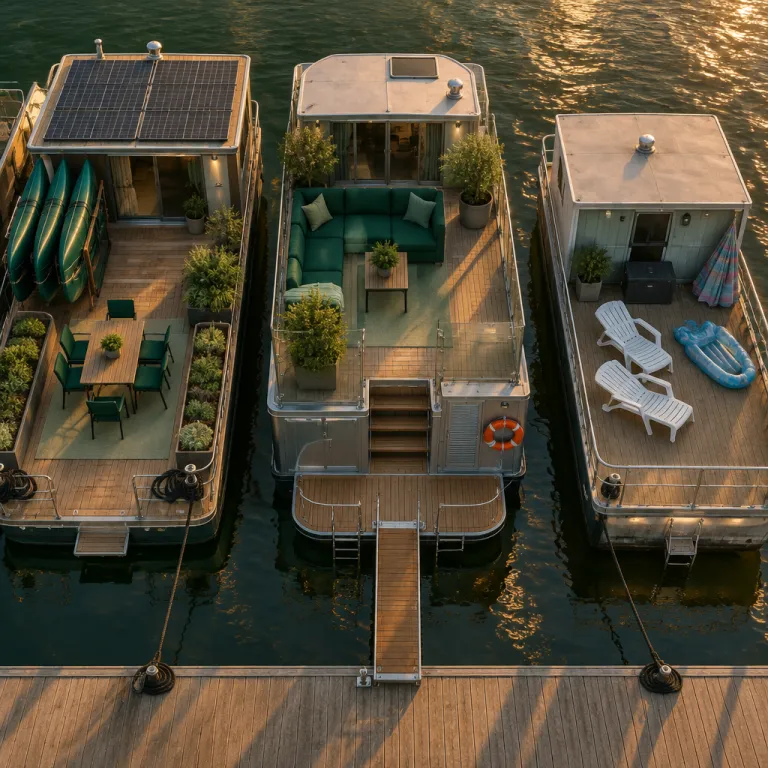
Not every traveller wants the same kind of floating experience, and the current market offers a wide range of formats. At one end sit compact live aboard style houseboats, often under 25 metres in length, where four to eight guests share a space that feels closer to a private yacht than a conventional hotel. At the other end are large barge based floating hotels with dozens of keys, full service restaurants and a business ready meetings offer that rivals many city properties.
Understanding where a property sits on this spectrum helps you read its price range and service promise. A small live aboard floating hotel in asia may deliver extraordinary intimacy with the landscape, but it will not offer the same room type variety or spa facilities as a mid scale barge in a major north america harbour, and that is a feature rather than a flaw. In many cases, the market size for each subsegment is defined less by geography and more by guest mindset, with business leisure travellers gravitating toward stable, double occupancy friendly layouts and predictable booking channel options.
Houseboat style stays in asia pacific backwaters or east africa river systems often appeal to guests who value slowness and proximity to nature. Larger europe floating properties on city quays tend to attract a mix of corporate travellers and weekenders who want a hotel grade experience with a marine twist, not a full immersion in boat life. As the hotels market matures, operators are publishing clearer analysis of who each concept serves, and that transparency is one of the healthier floating hotel category trends to emerge.
The broader context for this evolution is explored in the feature on the floating hotel boom and new rules of waterfront hospitality, which traces how waterfront zoning, marine regulation and hospitality strategy now intersect. Those forces shape everything from america floating approvals to africa floating pilot projects, and they explain why some ambitious concepts remain on paper while others quietly open with strong occupancy. For travellers, recognising this spectrum means you can align your expectations with the underlying business model rather than the marketing headline.
Signals of gimmick versus grounded hospitality: how to read a listing
When you scan a booking page for a new floating hotel, the language often tells you more than the photos. If the description leans heavily on novelty and repeats the word floating without offering any concrete details about marine design, crew expertise or local integration, treat that as a warning sign. Serious operators in this industry talk about hull specifications, mooring conditions and safety standards with the same clarity that they discuss service rituals and amenities.
Pay attention to how the hotel explains its relationship with the surrounding community and environment. A grounded property in south america or the middle east will reference local suppliers, harbour authorities and environmental impact assessments in its pre opening report, which shows that the business is embedded in its setting rather than hovering above it. By contrast, a gimmick driven listing might promise instagram ready sunsets and vague luxury without any analysis of tides, currents or marine regulations, which suggests the project has been conceived from the marketing deck inward.
Pricing can also reveal whether a concept is aligned with realistic market trends. If a new europe floating property launches at a rate that exceeds comparable land based hotels by a wide margin, yet offers limited services and no clear explanation for the premium, you may be paying for novelty rather than substance. Cross checking the price range against similar floating hotels in asia pacific, north america and africa floating destinations will give you a sense of whether the tariff reflects genuine constraints such as limited market size and high marine maintenance costs, or simply opportunistic positioning.
For travellers weighing whether life on the water can sometimes cost less than a conventional stay, the detailed breakdown in the budget houseboat question offers a useful counterpoint. That analysis shows how some america floating and asia pacific projects leverage lower waterfront land costs to keep rates competitive, even as their long term size forecast remains modest. Reading those comparisons alongside your chosen booking channel reviews will help you decide whether a given hotel earns its tariff or simply rides the wave of hype.
Questions to ask before you book: earning its place on the water
Before you commit to any floating hotel, a few targeted questions will quickly reveal whether the property has been built for longevity. Ask who designed the hull and superstructure, and whether a recognised marine architect or shipyard was involved, because that speaks directly to safety, comfort and long term maintenance. Clarify how the hotel manages motion, noise and access in different seasons, especially if you are travelling for business and need predictable conditions for sleep and work.
It is also worth probing the operational side of the business, which many guests overlook. Request details about crew training, emergency procedures and relationships with local coastguard or harbour authorities in the united states, europe floating cities or asia pacific ports, since those partnerships are essential for responsible marine hospitality. When a manager can explain these systems clearly, you are usually looking at a hotel that treats its floating status as a serious operational reality rather than a decorative label.
Finally, examine how the property positions itself within broader floating hotel category trends and regional market dynamics. Does the team reference any independent market analysis or industry report when discussing its growth plans, or is the narrative purely aspirational ? A hotel that understands its place within the evolving hotels market of north america, south america, the middle east or east africa is more likely to invest in sustainable practices, realistic size forecast planning and thoughtful room type evolution over time.
As the category matures, the most credible operators will be those who can speak fluently about both hospitality craft and marine constraints, from double occupancy ratios to hull maintenance cycles. That blend of perspectives is what turns a simple floating structure into a true hotel, and it is what will separate enduring properties from short lived curiosities as the market size for floating hotels continues its measured growth. For travellers, asking these questions at the booking stage is the surest way to secure a stay that feels anchored in its setting rather than adrift in marketing language.
FAQ
Are floating hotels safe for business travellers who need reliable conditions ?
Well run floating hotels are engineered and operated to marine safety standards that match or exceed those of conventional waterfront properties. Look for clear information about hull design, mooring systems, emergency procedures and relationships with local harbour authorities or coastguard services. When these elements are documented and staff can explain them confidently, you can expect stable conditions suitable for work and rest.
How do prices at floating hotels compare with traditional luxury hotels ?
Rates at floating hotels vary widely by region, market position and room type mix, just as they do on land. In dense urban harbours with limited berthing, you may see premiums over comparable luxury hotels because marine construction and maintenance costs are high. In emerging asia pacific or africa floating destinations, some properties can undercut city hotels by leveraging lower waterfront land costs and more efficient operations.
What should I check before booking a floating hotel for a work trip ?
Confirm Wi Fi reliability, desk space in your chosen room type and noise levels at different times of day, especially if the hotel sits in a working port. Ask about motion management, such as stabilisers or sheltered moorings, to ensure you can sleep and work comfortably. It is also wise to review cancellation terms, because marine conditions can occasionally disrupt access or scheduled services.
Do floating hotels feel like being on a cruise ship ?
Most floating hotels are permanently moored, so the experience is closer to a waterfront hotel with gentle movement than to a cruise itinerary. You will not typically have sea days or changing ports, and the focus is on connection to a single neighbourhood or landscape. Motion is usually minimal, especially in sheltered harbours, rivers or canals designed for year round mooring.
Which regions are leading the growth of the floating hotel market ?
Asia Pacific currently leads growth in the floating hotel segment, with strong pipelines in countries that are investing heavily in waterfront regeneration. Europe floating cities and selected north america harbours follow, often focusing on design led projects that integrate closely with existing urban fabric. Emerging activity in south america, the middle east and east africa suggests a broader geographic spread over the coming years, though regulatory frameworks there are still evolving.