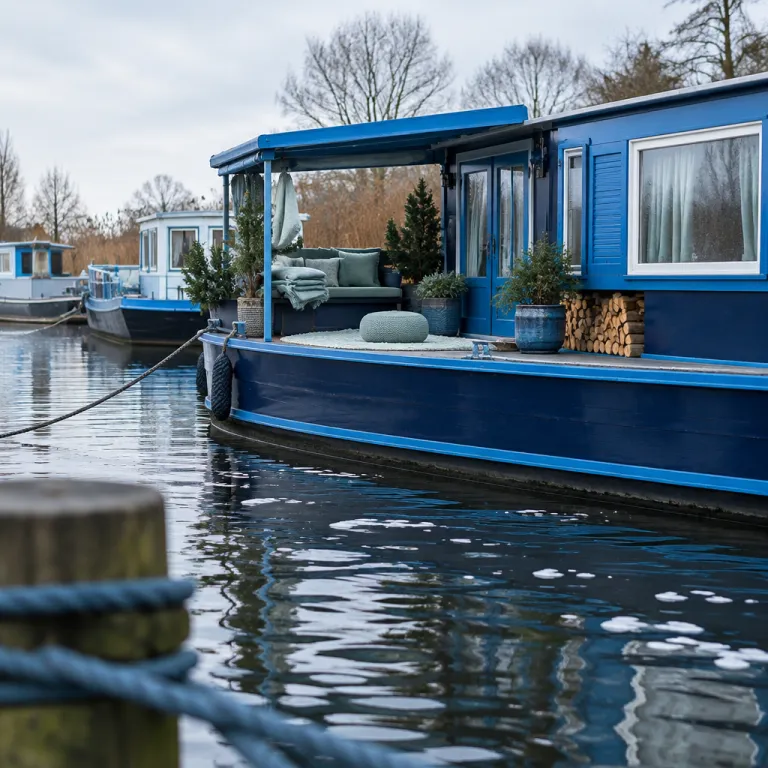
What makes a cosy houseboat heating autumn ready for families
A genuinely cosy houseboat heating autumn stay begins with the hull, because the structure decides how easily warmth is kept inside. On a well built houseboat the combination of proper insulation, a reliable heating system and thoughtful layout turns cool evenings into a soft edged experience rather than a test of endurance. When you compare boats for an autumn trip, treat the thermal design with the same seriousness you give to location and views.
Look first at how the boat is used in winter, and ask hosts directly whether the same heating runs through the lounge, cabins and galley or only in the main living area. A luxury focused owner will usually specify continuous insulation along the hull and cabin sides, which reduces cold spots near the bed and keeps double beds genuinely warm even when rain drums on the deck. Families should not hesitate to ask for photos of the lounge in winter and to find out whether extra blankets are included, because these details reveal how the boats perform when the temperature drops.
On premium booking platforms you can often filter by heating type, then read guest reviews to understand the real experience of staying on boats in shoulder season. When you search for a cosy houseboat heating autumn escape, combine that filter with comments about noise, condensation and how quickly the cabins heat up after a day out. A well prepared host will usually explain the system clearly in the listing, including how to operate it safely and how long it takes to warm the entire boats houseboat rather than just one snug corner.
Heating aboard: choosing between stoves, diesel and electric systems
On a luxury houseboat the heating system is as defining as the kitchen or the deck, because it shapes how you use every space once the light fades early. Wood burning stoves create that classic cosy houseboat heating autumn mood, with a gentle tick from the metal and a glow that pulls the family into the lounge. They suit stationary boats with good insulation and plenty of dry wood storage, but they demand supervision with children and can leave cabins at the far end cooler than the saloon.
Diesel fueled heaters, often Webasto or Eberspächer units, push warm air or hot water through ducts and radiators, giving more even heating across the living areas and bedrooms. For families this can mean stepping from a hot shower straight into a warm corridor, then into cabins where double beds feel inviting rather than chilly, even in winter. When you read a listing, look for details about whether the system heats both water and air, how noisy the fan is and whether fuel costs are included in the nightly rate, then cross check those claims with a careful reading of what is actually included in a houseboat listing like someone who has booked before on houseboat stay.
Electric heaters powered by shore hook up can be very effective on smaller boats, especially when combined with good insulation and thick curtains. They are usually simple to operate, but you should ask whether the power supply is strong enough to run several heaters, the galley appliances and charging points at the same time. When you search through google for a cosy houseboat heating autumn stay, pay attention to reviews mentioning tripped circuits or cold spots, because these signal that the system is under specified for real family living.
Insulation, condensation and why some boats feel instantly warm
The difference between a damp feeling cabin and a snug retreat is often invisible, because it lies in the insulation hidden behind the panelling. A well insulated houseboat resists the rapid temperature swings that create condensation, so the windows may steam gently on a cosy houseboat heating autumn morning but the walls and bedding stay dry. Poorly insulated boats, by contrast, can feel cold even with powerful heating, as warm moist air hits cold metal and turns to droplets on every surface.
When you inspect photos, look for lined ceilings, double glazed windows and thick curtains, all of which signal that the owner has invested in thermal comfort. Ask whether the boat uses spray foam, rock wool or modern composite insulation, and whether there is any ventilation system to move moist air out without losing all the heat. Families should also ask about dehumidifiers in winter, because these small machines can transform the experience of living aboard by keeping the lounge, cabins and even the galley feeling fresh.
Good insulation also changes how you use the deck in cooler months, since a warm interior encourages you to step outside for short bursts to enjoy the views before retreating. On a luxury focused boats houseboat the transition between interior living space and exterior deck is carefully managed with draught proof doors and sometimes underfloor heating near the threshold. This is where the philosophy behind the best slow water trips, where the best houseboat journeys are the ones where you go almost nowhere, aligns perfectly with a cosy houseboat heating autumn stay, because comfort encourages you to linger rather than rush ashore.
Design moves that create warmth: textiles, light and layout
Even the most efficient heating system needs help from design to make a houseboat feel emotionally warm as well as physically comfortable. Thoughtful owners layer textiles over every hard surface, using wool runners along narrow corridors, thick rugs under the lounge table and upholstered headboards behind each bed. This softens sound, traps warm air and turns the compact living space into a cocoon, especially valuable on a cosy houseboat heating autumn evening when rain taps steadily on the roof.
Lighting matters just as much, because harsh ceiling spots can make even a luxury boat feel clinical once darkness falls early. Look for warm white lamps at different heights, including reading lights by the double beds, low level strips along the floor and a dimmable pendant above the galley table that lets the space double as a hearth. Families with younger children often appreciate a small lamp left on in the lounge, which keeps the route to the bathroom gentle and reassuring without wasting heating energy by encouraging doors to be left open.
Layout is the final quiet luxury, especially on boats designed for both summer and winter use. A well planned boats houseboat will let the galley, saloon and deck flow into one another, so adults can cook while children play within sight, yet doors and curtains can be closed to keep the warm core compact on cold nights. Some of the most successful modern float houses, such as the British designs explored in depth in this feature on the quiet revolution in houseboat design, show how careful zoning and insulation together create a genuinely cosy houseboat heating autumn atmosphere without needing excessive power.
What to check before booking an off season family stay
Before you commit to an autumn or winter booking, treat the houseboat as you would a mountain chalet and ask precise questions about warmth. Start with the heating system, confirming whether it runs continuously, whether fuel or electricity is included and which rooms have radiators or vents, then ask how long it usually takes to warm the boat from cold. A host who answers quickly and clearly usually signals a professional approach to luxury hospitality and a genuine understanding of family needs.
Next, focus on sleep, because a cosy houseboat heating autumn stay depends on everyone waking rested rather than chilled. Ask whether the double beds have proper mattresses rather than thin boat cushions, whether extra blankets or duvets are stored on board and whether the cabins have closing doors or curtains to trap warm air. Families should also check whether there are separate beds for children or convertible lounge seating, and whether the heating can be adjusted independently in sleeping areas to avoid overheated rooms for younger guests.
Finally, consider how you will actually live on board during shorter days, from breakfast to bedtime. Confirm that there is enough comfortable seating in the lounge for your whole group, that the galley has a kettle and basic cooking equipment for warm drinks and that the deck has safe access in wet weather for quick fresh air breaks between board games. When you search through google for options, filter for reviews that mention autumn or winter stays, then read carefully for comments about condensation, draughts and how special the overall experience felt once the season had turned, because these are the details that separate a merely adequate boat from a truly luxury level family retreat.
FAQ
How warm can a houseboat realistically feel in autumn and winter ?
A well insulated houseboat with a correctly sized heating system can feel as warm as a high quality apartment in autumn and winter. The key factors are continuous insulation along the hull, double glazed windows and a heating source that reaches both the lounge and the cabins. When these elements work together, families can comfortably sit by the windows, enjoy the views and sleep in warm double beds even on frosty nights.
Which type of heating is best for a family houseboat stay ?
For most families, a diesel or electric heating system that distributes warmth evenly through radiators or vents is the most practical choice. Wood burning stoves create a beautiful atmosphere but require constant supervision and usually heat only the main living area. When booking, ask whether the system heats both air and water, whether fuel is included and how the temperature is controlled in different rooms.
How can I tell from a listing if a boat will be warm enough ?
Look for specific mentions of insulation, double glazing, heating type and whether costs are included in the rate. Photos showing thick curtains, rugs and layered textiles in the lounge and bedrooms are good signs that the owner has considered autumn comfort. Reviews that mention cosy stays in colder months are often the most reliable indicator that the boat performs well when temperatures drop.
Is condensation always a problem on houseboats in cooler seasons ?
Condensation is common on poorly insulated boats, but it is not inevitable. A well designed houseboat will combine insulation, controlled ventilation and sometimes a small dehumidifier to keep windows clear and bedding dry. If you are sensitive to damp, ask the host directly how they manage condensation during autumn and winter stays.
What should families pack for a cosy autumn houseboat holiday ?
Even on a luxury houseboat it is wise to pack warm socks, layered clothing and perhaps a favourite blanket for children. Bring slippers with non slip soles for moving between the lounge and deck, and consider compact board games or books for long evenings indoors. Check with the host about what is already included, so you avoid duplicating items like hot water bottles, extra duvets or throws.